Kazakhstan to reduce wheat sown area to 12.1 mln ha

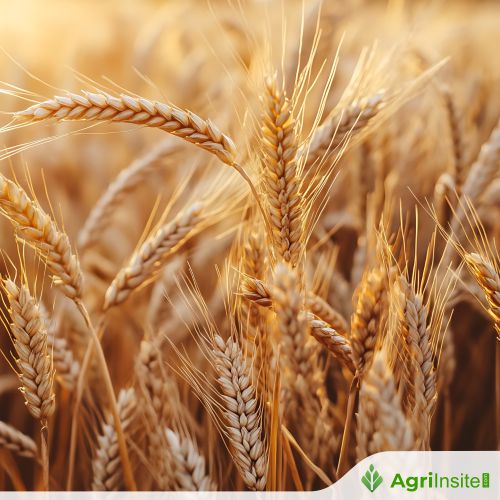
Kazakhstan plans to cut wheat area to 12.1 million hectares in 2026 while expanding oilseeds and forage crops to diversify output. Backed by strong exports and funding support, the strategy aims to balance production, boost efficiency, and reduce reliance on wheat amid evolving market demands.
Kazakhstan will continue diversifying its crops in 2026, planning to reduce wheat sowing to 12.1 million hectares while expanding areas for oilseed and forage crops. The country’s Minister of Agriculture, Aidarbek Saparov, announced this during a meeting with farmers in the Kostanay region.
The total sown area nationwide will reach about 23.8 million hectares, up 180,000 hectares from last year. The reduction in wheat will be gradual, with simultaneous expansion of other crops to balance production and meet domestic demand.
In 2025, Kazakhstan achieved a record harvest of cereals, oilseeds, and legumes, fully meeting internal needs and boosting exports. In the 2024–2025 marketing year, grain exports reached 15.3 million tonnes, nearly 60% higher than the previous year and the highest level in the past 20 years.
Kostanay remains one of the country’s leading agricultural regions, with 5.5 million hectares planned for sowing in 2026, including 3.4 million hectares of wheat, 560,000 hectares of forage crops, 890,000 hectares of oilseeds, 15,000 hectares of maize for grain, and 1,400 hectares of vegetables.
To support farmers, early funding of 750 billion tenge has been allocated for spring sowing and harvest operations, along with ongoing preferential leasing programs for agricultural machinery. Leasing volumes are expected to exceed 350 billion tenge, helping modernize equipment and improve production efficiency.
To Read more about Wheat News continue reading Agriinsite.com