Kenya : Food insecurity fears grow as rice imports face legal challenge

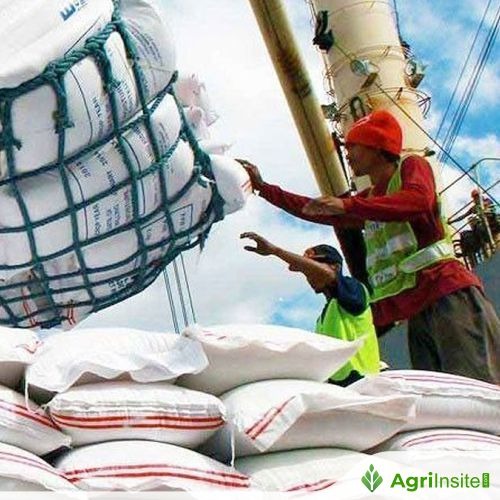
Kenya faces a worsening rice shortage as droughts cut yields and a legal dispute threatens duty-free imports. Domestic production is only 110,000 MT versus a 750,000 MT demand in early 2026. The government warns price spikes could affect maize and other staples, worsening hunger for millions in drought-affected regions.
Kenya’s households could face steep rises in rice prices as persistent droughts damage crop yields and a legal dispute threatens to block emergency imports.
Rice has become a central part of daily diets, particularly in urban areas and drought-prone ASAL counties, where it often replaces other staples during lean periods.
Erratic rains have disrupted planting cycles, reducing production and fueling fears that rising rice costs could also push up prices for maize and other key foods.
The High Court heard that Kenya has a structural gap in rice supply, which has been growing over the years. National demand is estimated at 1.3 to 1.5 million metric tonnes annually, yet domestic production only covers a fraction of that.
“If rice becomes unaffordable, households shift to maize, pushing up maize prices as well. Such knock-on effects could undermine national efforts to stabilise food prices and protect vulnerable populations,” the government told the court through State Counsel Samuel Kaumba and Erick Theuri.
Projections from the Ministry of Agriculture show the shortfall worsening in the first half of 2026. From January to June, the country will need around 750,000 metric tonnes of rice, but domestic production is expected to yield only 110,000 metric tonnes.
The Ministry’s Contingency Emergency Response Action Plan warns that by the end of January, the rice deficit could reach 381,225 metric tonnes, highlighting the urgency for imports.
Food insecurity is already rising. By November 2025, roughly 1.8 million people in ASAL counties were experiencing acute hunger, a number expected to jump to 3.5 million without swift intervention.
Erratic rainfall in major rice-growing regions has led to lower yields; irrigated areas like Mwea, Ahero, and Bunyala face higher production costs due to reduced water availability, while rain-fed farms have seen entire seasons fail.
During proceedings in Kerugoya, State Counsel Kaumba, Theuri, and other government lawyers warned that blocking imports could worsen price spikes.
Petitioners James Kamau Murango and David Munyi Mathenge are challenging Gazette Notice No. 10353 of July 28, 2025, which allows duty-free rice imports.
The government noted that lapses in the notice had already caused sharp retail price fluctuations in non-basmati long-grain rice in late 2025, offering a glimpse of potential nationwide instability.
Rice price increases hit vulnerable groups hardest, especially in informal settlements and drought-affected regions where households spend the most on food.
The Ministry rejected claims that duty-free imports are meant to benefit a few, stating the policy complies with Articles 21 and 43 of the Constitution, which guarantee the right to food.
Officials warned that stopping imports could reduce access to rice, worsen hunger, and destabilise prices across the country.
The government stressed that local rice stocks are being fully utilised.
Since 2020, the Kenya National Trading Corporation has purchased rice from cooperatives in Mwea, Ahero, Bunyala, Kuja, Kano, and Bura for schools, hospitals, and prisons.
However, even full local absorption cannot close the national gap or stabilise prices.
“Localised surplus cannot be mistaken for national food security,” the State told the court, emphasising that nationwide supply, not conditions in a single area, determines true food security.
To Read more about Rice News continue reading Agriinsite.com
Source : East Leigh Voice