Maize Under Siege: Downy Mildew Outbreak Threatens National Harvest

Nyasa Times
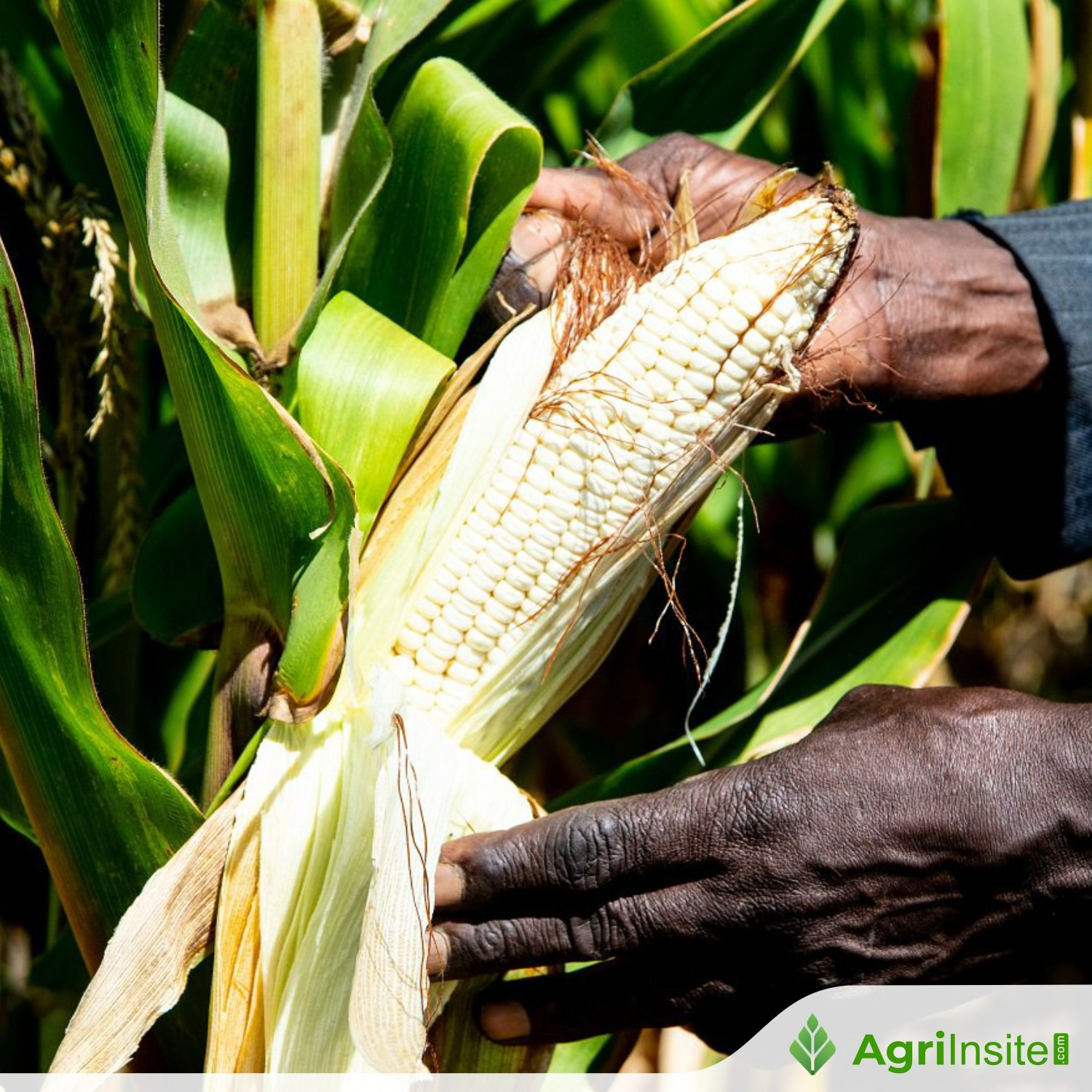
Malawi’s staple crop is under direct attack, and the consequences could be devastating if farmers and authorities fail to act swiftly. The Ministry of Agriculture, Irrigation and Water Development has issued a stark warning that an outbreak of downy mildew disease in maize is spreading and could spiral into a national agricultural disaster.
The disease, already confirmed in Blantyre and Machinga Agricultural Development Divisions, is not a minor plant infection—it is a ruthless crop killer. Caused by a water mould, downy mildew attacks maize at its earliest and most vulnerable stages, stunting growth, deforming tassels, preventing cob formation and, in severe cases, wiping out entire fields.
In a statement signed by Davis Sado on behalf of the Secretary for Agriculture, the ministry did not mince words.
“Downy Mildew Disease is highly destructive and has the potential to cause total yield loss in maize if not properly managed,” the statement warned.
This is not a distant or theoretical threat. Infection can begin within nine days of germination, silently weakening young plants before farmers even realise what is happening. Pale yellow stripes appear on leaves, plants grow narrow and upright, and a white mould spreads beneath the leaves. In its most extreme form, tassels are replaced by twisted leaves—locally known as “crazy top”—rendering the plant completely sterile.
Agricultural policy expert Horace Phiri says the outbreak could severely undermine food security at a time when many farmers are still nurturing young crops.
“This disease spreads rapidly in humid conditions. Once it takes hold, farmers can lose entire fields. That is total loss—no maize, no income, no food,” Phiri said.
He stressed that delay is deadly, urging immediate removal and destruction of infected plants, strict use of certified seed and proper crop rotation.
The ministry says the disease spreads aggressively through infected seed, contaminated soil, crop residues and airborne spores, thriving in humid conditions and temperatures between 21 and 26 degrees Celsius—conditions common in many parts of the country.
Farmers have been advised to take uncompromising action: plant only certified seed, treat seed before planting, avoid planting maize near sugarcane, uproot and bury infected plants immediately, and destroy crop residues after harvest. Suspected cases must be reported without delay to agricultural extension officers.
Malawi has seen this enemy before—and the scars remain. Downy mildew was first reported on sorghum in the 1980s, later spreading to millet. But it was the 2004–05 growing season that exposed its true destructive power, when major outbreaks in Blantyre, Mulanje and Thyolo caused massive yield losses and pushed thousands of maize-dependent households to the brink.
The warning signs are flashing again. If this outbreak is ignored or treated casually, the country risks repeating one of its darkest agricultural chapters—with hunger, poverty and desperation as the price of inaction.
To Read more about Maize News continue reading Agriinsite.com
Source : Nyasa Times