Middle East conflict may disrupt India’s return to global wheat markets

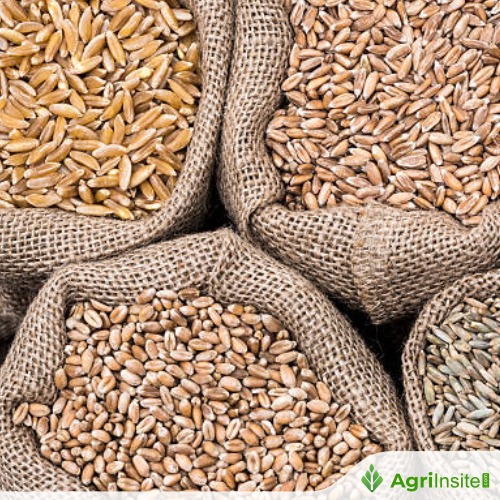
Rising Middle East tensions may disrupt India’s wheat export plans just as a record harvest enters the market. Volatile freight rates and shipping disruptions are making exporters cautious about signing contracts. Although global wheat prices are rising, logistics uncertainty could limit India’s ability to expand exports, particularly to distant markets.
Escalating tensions in the Middle East could hinder India’s plans to expand wheat exports just as the new harvest is set to enter the domestic market. The situation creates additional risks for farmers and traders in the world’s second-largest wheat producer, which has only recently eased nearly four years of restrictions on grain exports.
The main challenge comes from disruptions in maritime logistics and volatile freight rates. As a result, exporters are reluctant to sign long-term contracts with importers and are cautious about procuring wheat from farmers. The uncertainty is particularly significant given forecasts that India’s wheat production could reach a record 120 million tonnes in the current financial year.
Despite rising global wheat prices, the conflict in the region is limiting export opportunities for the country. According to the Food and Agriculture Organization of the United Nations (FAO), global wheat prices increased by about 1.8% in February due to risks of winter crop losses in Europe and the United States, as well as logistical disruptions in the Black Sea region. However, higher freight costs and supply chain instability are offsetting potential gains for Indian exporters.
Industry representatives also note that India previously missed significant export opportunities during the Russia–Ukraine war because wheat export restrictions were in place at the time. Before the ban, India was a notable player in the global market, with wheat exports valued at more than $2.1 billion in fiscal year 2022 and around $1.5 billion in fiscal year 2023, before shipments declined sharply after restrictions were imposed.
In the current season, traders expect a more cautious market approach. Some exporters may redirect shipments to nearby markets such as Bangladesh, Nepal, and Sri Lanka, where transportation costs are lower and demand remains steady. However, analysts warn that prolonged instability in the Gulf region could put a significant share of India’s agricultural exports at risk, as Middle Eastern countries remain key buyers of its food products.
To Read more about Wheat News continue reading Agriinsite.com
Source : Ukr Agro Consult