Mideast conflict could cut Philippine rice production by half — Agri official

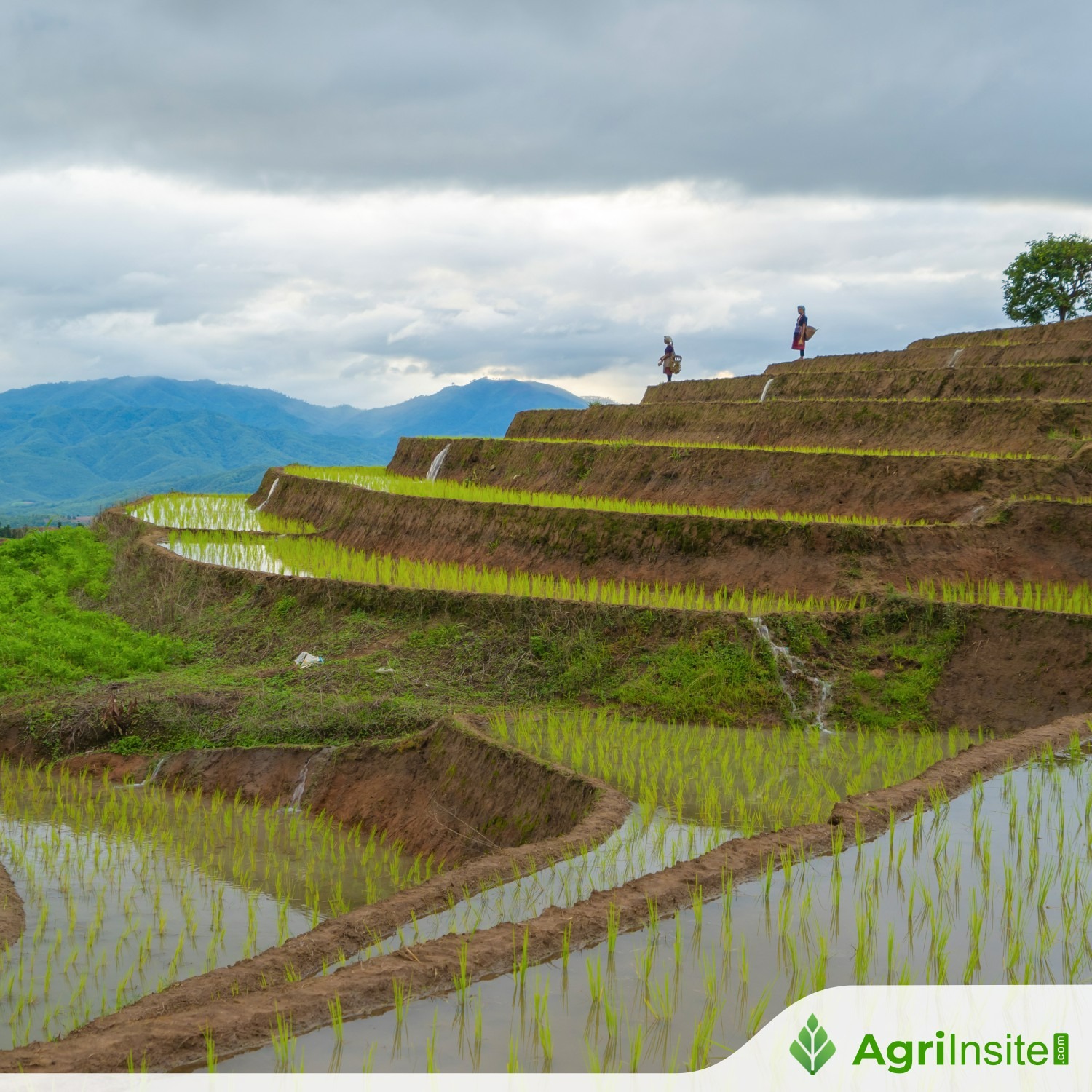
Rising fuel prices amid Middle East tensions threaten Philippine agriculture, with rice output possibly dropping 20% to 50%. High costs disrupt farming, transport, and fishing, causing supply issues and losses. Officials warn inaction could cost P75 billion, urging urgent subsidies to stabilize food production and protect farmers’ livelihoods nationwide.
MANILA – A deepening conflict in the Middle East could slash Philippine rice production by up to half if the government fails to intervene, officials warned Wednesday, as soaring fuel prices impact the country’s food security.
During a Senate briefing, Department of Agriculture (DA) Undersecretary Asis Perez cautioned that rising energy costs are threatening the upcoming planting season. Perez said that their “best case scenario” is a 20 percent reduction in production.
“That’s the best-case scenario. It can even go up to fifty percent decline in productivity because you see, ‘pag wala hong fertilizer, walang magagawa yung farmer.”
Perez warned that the “cost of inaction” for rice, corn, and fisheries could reach P75 billion. He estimated that the government must mobilize 37 billion pesos in subsidies over three months to stabilize the sectors.
Impact on logistics
The spike in fuel prices has affected domestic supply chains. Danilo Fausto, president of the Philippine Chamber of Agriculture and Food, Inc., said transport costs have become so prohibitive that produce is rotting in the fields while urban prices spike.
“Dapat yung mga truckers natin i-biyahe yung mga gulay. Wala nang bumibili ng gulay sa Trinidad. Hindi na naibababa dito. Tatlong piso na lang ang repolyo doon,” Fausto said, noting that cabbage prices in some regions have plummeted to just P3 a kilo as truckers stop deliveries.
The fisheries sector is facing a similar threat, with fuel now accounting for 80 percent of operating expenses.
“Nababawasan na at patuloy pang mababawasan ang mga bangka at barkong pumapalaot. For many, it is not economically viable anymore,” said Kenrick Teng, president of the SFFAII fishing federation.
Industrial Toll
The crisis has already forced two of the country’s seven major tuna canneries to suspend operations. Francisco Buenamino of the Tuna Manufacturers Association of the Philippines reported that daily output has dropped from 830 metric tons to 580.
“Almost forty percent [reduction],” Buenamino said.
DA officials said they are looking to reallocate research and infrastructure funds to provide emergency relief. However, Perez admitted that reaching the country’s 11 million farmers and fishers remains a logistical challenge, noting “the distribution process is yet to be perfected.”
Fuel prices have more than doubled since the United States and Israel attacked Iran at the end of February.
To Read more about Rice News continue reading Agriinsite.com
Source : ABS CBN