Nepal : Decline in paddy production puts rice self-reliance at risk

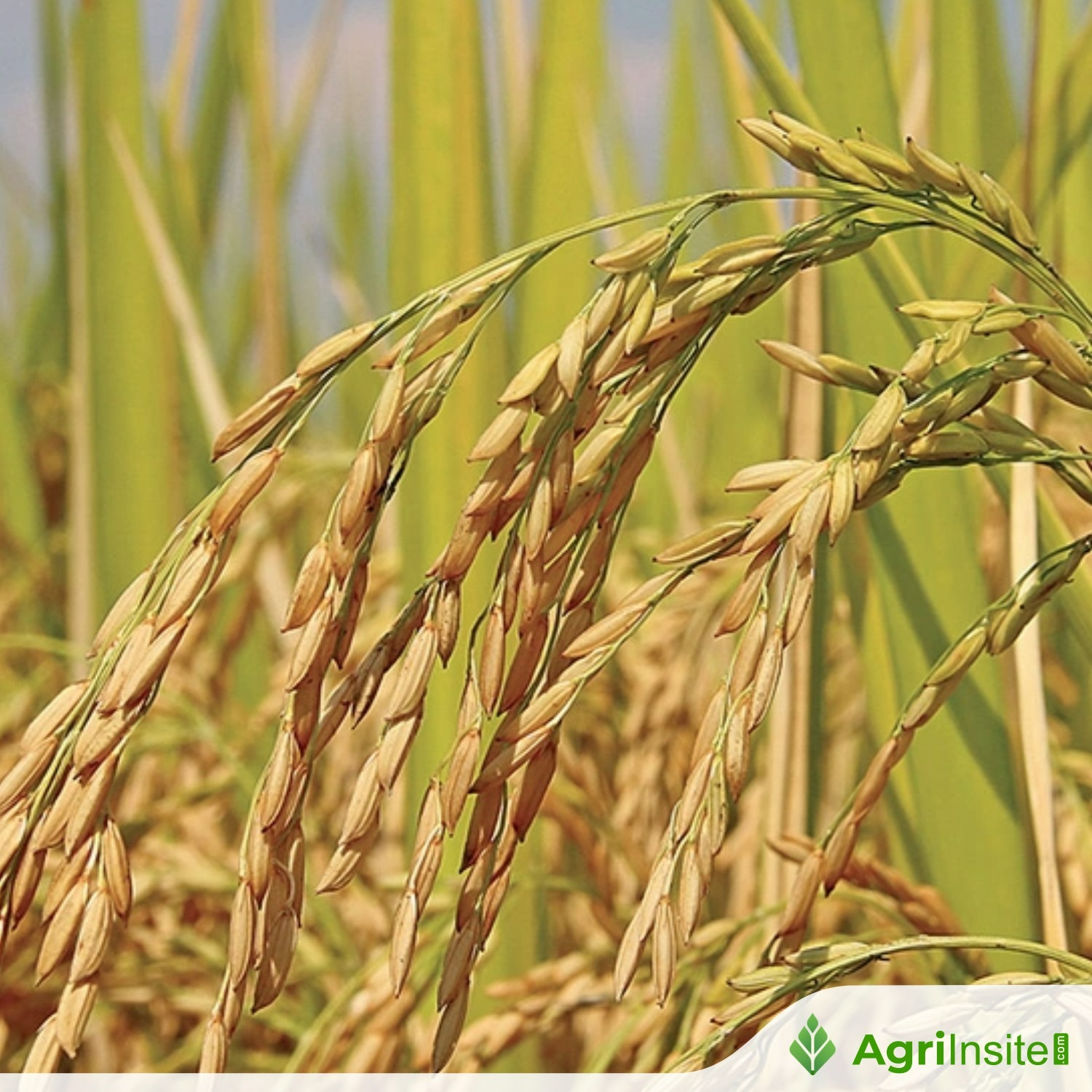
Nepal’s paddy production fell 4.2% in FY2025/26 to 5.7 million tonnes due to drought, reduced acreage, and adverse weather. Productivity declined to 4.14 t/ha, widening the rice deficit to about 1 million tonnes and increasing reliance on imports for food security.
Kathmandu, Jan. 19: Both the production and productivity of paddy have declined in the current fiscal year.
According to the preliminary estimates released by the Ministry of Agriculture and Livestock Development on Sunday, paddy production has decreased by 4.2 per cent, while productivity has declined by 1.16 per cent compared to last year.
Paddy production is estimated at around 5.7 million tonnes in the current fiscal year 2025/26, which is 4.2 per cent lower than last year’s yield.
Nepal achieved a remarkable bumper paddy production of 5.9 million tonnes in the previous fiscal year, 2024/25. In fiscal year 2023/24, about 5.724 million tonnes of paddy was produced.
The report also shows that the total area under rice cultivation has decreased by 3.8 per cent compared to the previous fiscal year.
While 1,420,636 hectares were under rice cultivation in 2024/25, this year’s estimate is 1,376,872 hectares.
Average productivity has also dropped to 4.14 tonnes per hectare this year from 4.19 tonnes per hectare last year.
According to Dr. Hari Bahadur KC, Joint Secretary at the Ministry of Agriculture and Livestock Development, despite adequate availability of improved seeds and fertilisers, unfavourable weather conditions have affected crop yields, resulting in lower productivity.
He added that the combined impact of reduced cultivation area and slightly lower productivity has led to an overall decline in rice production this year.
He said that acute drought in various areas, including Madhes Province, during the planting season led to lower and delayed plantation, contributing to the reduced production and productivity.
Paddy production in Madhes Province decreased by 11.39 per cent compared to last year.
The decline in the area under rice cultivation is mainly due to migration from hilly areas, the attraction of youth to foreign employment, and an increase in land use for fruit and cash crops.
Additionally, urbanisation, industrialisation, and other infrastructure development have reduced rice-growing areas, particularly in the Tarai.
Highest yield in Koshi, biggest drop in Madhes
Paddy production decreased in Koshi, Madhes, Gandaki, Lumbini, and Sudurpaschim provinces, while production in Karnali and Bagmati provinces recorded growth.
Madhes Province, known as the country’s bread basket, experienced a significant decline.
According to the report, Koshi Province recorded the highest paddy production this year at 1.4 million tonnes, a 4 per cent reduction from last year’s 1.46 million tonnes.
Madhes Province is estimated to produce around 1.31 million tonnes, Lumbini 1.35 million tonnes, Bagmati 500,000 tonnes, Gandaki 360,555 tonnes, Karnali 138,996 tonnes, and Sudurpashchim 627,245 tonnes.
The production of paddy decreased by 11.39 per cent in Madhes Province, 4.87 per cent in Gandaki, 0.47 per cent in Lumbini and 1.41 per cent in Sudurpashchim Province this year.
However, paddy yield increased by 6.76 per cent in Karnali Province and 0.41 per cent in Bagmati Province.
Rice shortfall goes up
The decline in paddy production has raised concerns about the country’s ability to achieve self-sufficiency in rice consumption, said Ram Krishna Regmi, Senior Statistics Officer at the Ministry of Agriculture and Livestock Development.
Of the approximately 6.8 million tonnes of rice required in Nepal, there is currently a shortage of about 1 million tonnes.
As per preliminary estimates, around 3.54 million tonnes of rice will be produced from 5.7 million tonnes of paddy, with the conversion rate of paddy to rice standing at 62 per cent.
The Household Consumption Survey by the National Statistics Office shows that average annual per capita rice consumption is 131 kg.
With a population of nearly 30 million, Nepal requires at least 4 million tonnes of rice for domestic consumption, leaving a deficit of around 500,000 tonnes.
To bridge this gap, the country spends billions of rupees importing paddy and rice.
According to the Department of Customs, Nepal imported 241,500 tonnes of rice and 533,715 tonnes of paddy in the same period.
Despite efforts to increase domestic production, Nepal imports rice every year. “Our dependence on rice remains high, especially for fine and aromatic varieties that are not widely produced locally,” said Regmi.
He emphasised the need to promote and expand early paddy (Chaite paddy) cultivation, which has higher productivity than main-season paddy, to achieve self-reliance.
Rice is a critical crop for Nepal’s food security.
According to the NSO, the agricultural sector contributed about 25.16 per cent to gross domestic product in 2024/25, with rice accounting for roughly 12 per cent of the sector’s contribution.
To Read more about Rice News continue reading Agriinsite.com
Source : Rising Nepal Daily