Pakistan : Punjab approves Wheat Policy

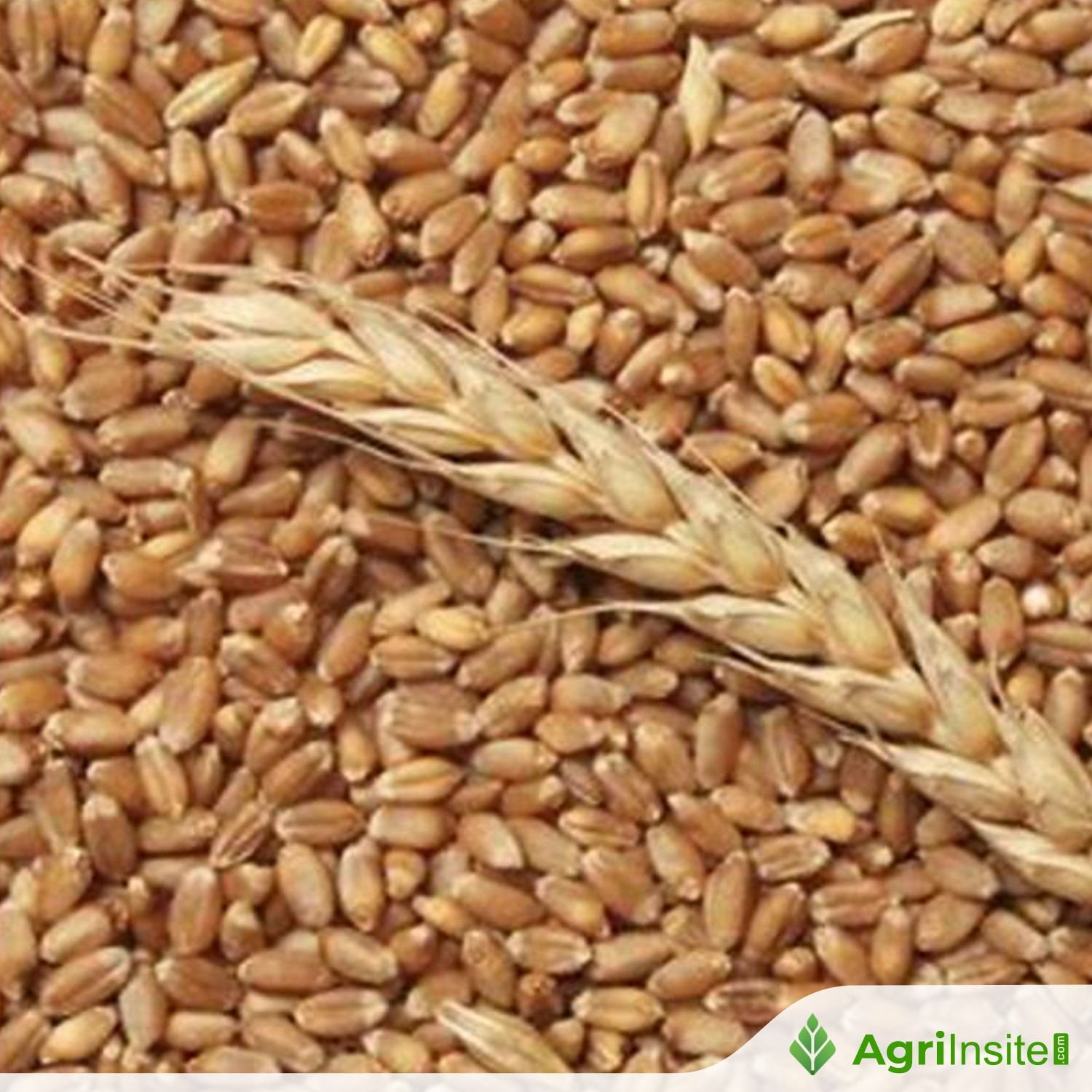
Punjab has approved Wheat Policy 2026, shifting strategic wheat reserves to a private sector–led PPP model. The policy ensures farmer support, market stability and food security without government procurement or fiscal burden, while retaining state oversight and consumer protection.
LAHORE: The government of Punjab has approved the Wheat Policy 2026, Private Sector-Led Maintenance, Holding and Supply of Strategic Wheat Reserves, introducing a landmark Public-Private Partnership (PPP) framework aimed at ensuring food security, market stability and uninterrupted wheat availability without government procurement or expenditure from the public exchequer.
Under the new policy, the government will move away from state-led stockholding to a market-aligned, privately financed system.
While the private sector will be responsible for the purchase, financing, storage, maintenance and supply of strategic wheat reserves, the government will retain a regulatory, oversight and strategic control role.
As part of farmer support measures, private sector aggregators, selected through a transparent and competitive process, will purchase wheat directly from farmers at a benchmark price of Rs3,500 per 40kg, aligned with import-parity market assessments for the relevant procurement window.
The framework ensures assured market access, timely digital payments to farmers, elimination of delays linked to traditional public procurement, and preservation of market competition without price distortion.
The Punjab government will not purchase wheat but will ensure that markets remain orderly, competitive and fair for farmers.
Officials said the Wheat Policy 2026 has been designed to fully protect fiscal space. Under the framework, there will be no public procurement expenditure, no subsidy or support price paid by the government, no public stock accumulation or storage losses, and no unfunded fiscal liabilities. All strategic wheat reserves will be financed, held and maintained by the private sector, with costs and margins determined competitively within notified ceilings.
To protect consumers, strategic wheat reserves will be released in a calibrated and staggered manner from September to March, in line with historical consumption patterns and seasonal demand pressures. This approach aims to ensure continuous market availability, prevent artificial shortages and speculative hoarding, and moderate abnormal price volatility, particularly during winter months and Ramadan. Profit margins for private partners will be capped on a month-wise basis and discovered through competition.
Public warehouses will be used solely for holding strategic wheat reserves under joint custody arrangements. While operational responsibility will lie with private partners, ownership and strategic control of wheat stocks will remain with the government. Public storage assets will not be privatized, and food security objectives will remain safeguarded.
The policy establishes Cabinet-level oversight through the Standing Committee of Cabinet on Food Security, divisional-level supervision via Divisional Strategic Reserves Management Committees, transparent EOI and RFP processes, and independent monitoring, audit and grievance redressal mechanisms.
Chief Minister Maryam Nawaz Sharif said the policy reflects Punjab’s commitment to farmers, consumers and fiscal discipline.
“Punjab is committed to supporting its farmers, stabilizing food markets and protecting consumers through smart governance. Wheat Policy 2026 ensures food security without burdening taxpayers, while empowering the private sector to deliver efficiently,” she said.
Officials said the Wheat Policy 2026 positions Punjab as a pioneer in private sector-led strategic reserve management, combining fiscal prudence with strong farmer protection and market-aligned food security governance.
To Read more about Wheat News continue reading Agriinsite.com
Source : Business Recorder