Parliament panel seeks 100% MSP procurement for oilseeds, pulses

A Parliamentary panel has urged 100% MSP procurement of oilseeds and pulses under PM-AASHA to cut import dependence and protect farmers. It recommended a dynamic import duty, higher R&D via Indian Council of Agricultural Research, seed reforms, tech adoption, and stronger regulation to boost productivity, resilience, and farmer incomes.
A standing committee of Parliament on Agriculture has called for 100 per cent procurement of oilseeds and pulses at the minimum support price (MSP), as against the current 25 per cent, to bring down the import bill for these two commodities, along with a host of other recommendations that include a dynamic import duty mechanism, including a 20 per cent safeguard duty on palm oil when global prices fall below $800 per tonne, to protect domestic farmers from price shocks.
The panel also called for increased investment in cutting-edge technologies such as Clustered Regularly Interspaced Short Palindromic Repeats (CRISPR)-Cas9 and Marker-Assisted Selection (MAS) to develop climate-resilient, high-yielding and pest-resistant crop varieties. It also called for a more robust regulatory mechanism to deal with GM foods and to check their proliferation, which at present is missing.
The 33rd report of the panel, presented in the Lok Sabha on Friday, flagged India’s continued reliance on edible oil imports—estimated at 56 per cent of consumption—and pulse imports of 2.13 million tonnes, warning that this exposes farmers to global price volatility and puts pressure on foreign exchange reserves.
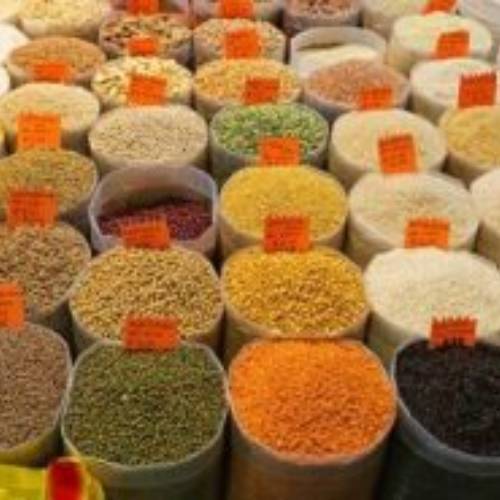
To address this, the committee recommended expanding procurement under the PM-AASHA scheme to cover 100 per cent of oilseed production and ensuring full procurement of key pulses such as pigeon pea, urad and lentil across all producing states. It also suggested setting up more procurement centres in remote areas, backed by a dedicated digital portal and round-the-clock farmer helplines.
Highlighting low productivity as a key constraint, the committee called for increased investment in advanced seed technologies such as CRISPR and marker-assisted selection to develop climate-resilient and high-yielding varieties. It recommended that the Indian Council of Agricultural Research release region-specific varieties by 2028 and that seed hubs be established in every district by 2030 to ensure higher seed replacement rates.
The panel also proposed transforming the existing SATHI portal into a comprehensive “National Seed Grid” to digitally integrate the entire seed supply chain, enable traceability through QR codes, and reduce leakages in subsidy delivery.
In a move aimed at protecting farmers, it recommended setting up a national regulatory body to cap seed prices and ensure compensation in cases of spurious seeds. The committee underscored the urgency of replacing the Seeds Act of 1966 with a modern law mandating compulsory registration, certification and stricter penalties.
Addressing regional imbalances, the report suggested developing oilseed and pulse clusters in eastern and north-eastern states by 2028, alongside expanding irrigation coverage under the Per Drop More Crop scheme. It also emphasised the use of micro-irrigation, farm ponds and IoT-based water management systems to reduce risks in rainfed areas.
To improve farmer incomes, the committee recommended strengthening farmer producer organisations (FPOs), setting up processing units, and scaling up branded initiatives such as ‘Bharat Dal’, while proposing a new ‘Bharat Oil’ brand for affordable edible oils.
The panel further called for increased funding for research, promotion of sustainable practices including intercropping and organic farming, and mandatory labelling of genetically modified foods. It also proposed reserving 40 per cent of scheme benefits for women farmers and launching programmes to train rural youth in agri-entrepreneurship.
Overall, the committee stressed that coordinated policy action across procurement, technology, markets and regulation is essential to achieve self-sufficiency in oilseeds and pulses while ensuring farmer welfare.
To Read more about Edible Oil News continue reading Agriinsite.com
Source : Business Standard