Rising resource costs are holding back rice production in the Philippines

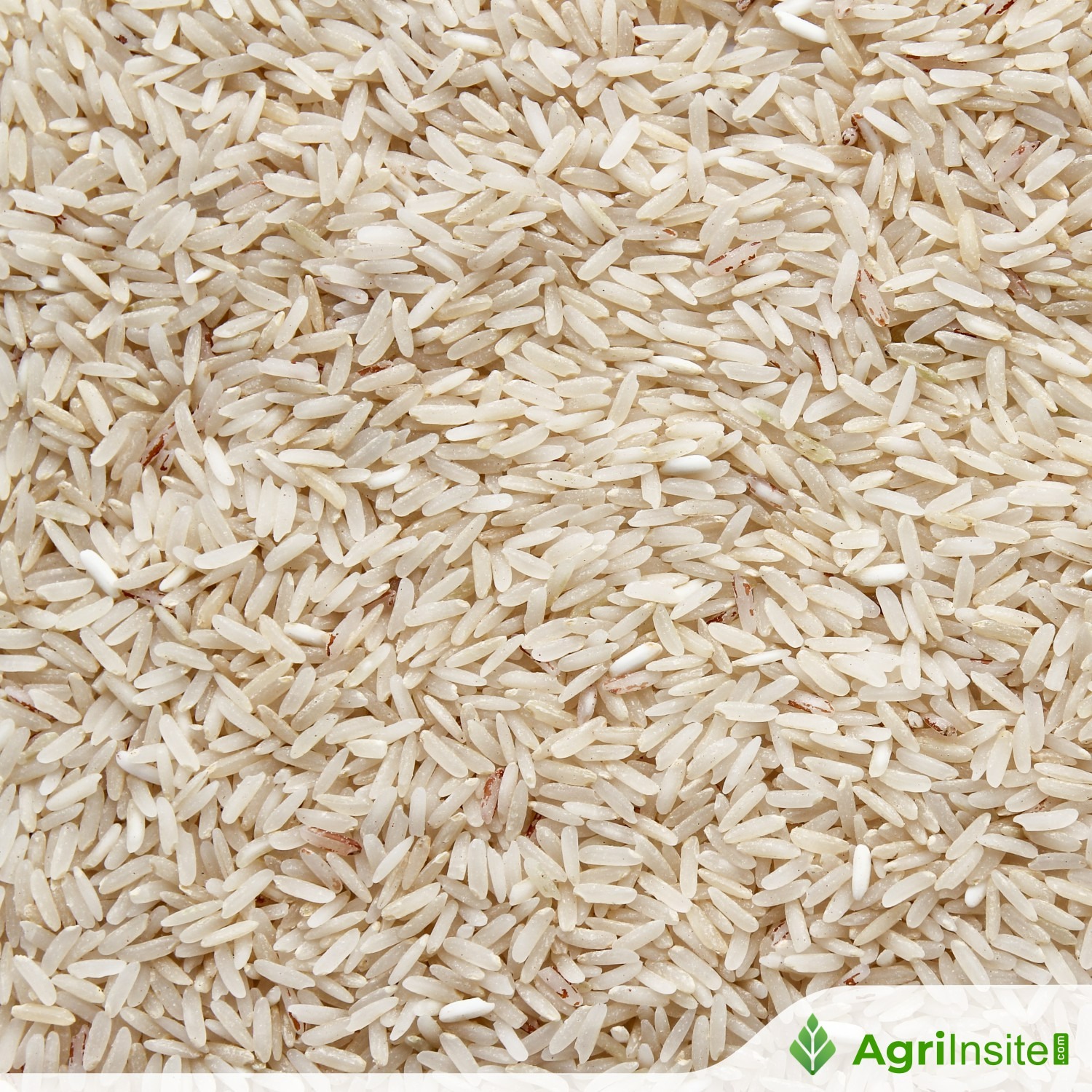
Philippines’ rice output growth remains limited by high input costs, pushing imports up to 5.1 MMT in MY 2026–27. Rising demand from population growth keeps consumption firm, while lower stocks add pressure. Corn demand stays strong, and wheat imports remain essential to meet food and feed needs.
Domestic rice production in the Philippines still falls short of growing demand, leading to an increase in imports expected in the 2026-2027 marketing year. These estimates are provided in a report by the Foreign Agricultural Service (FAS) of the U.S. Department of Agriculture.
According to the annual forecast, paddy rice production will increase slightly to 19.68 million tons, 800,000 tons (0.4%) above the 2025-2026 level. This growth will be supported by government incentives for the industry, as well as favorable weather conditions during the dry season.
At the same time, rising input costs—primarily imported mineral fertilizers and petroleum products—will constrain production growth. Harvesting area is estimated to remain at 4.7 million hectares: farmers do not plan to expand plantings due to rising input costs.
Rice imports in MY2026-2027 could reach 5.1 million tonnes, up 16% from 4.4 million tonnes a year earlier. Ending stocks, on the other hand, are expected to decline to 2.79 million tonnes from 2.94 million tonnes, following a four-month ban on rice imports at the end of the previous season, which limited carryover stocks.
Rice consumption will increase slightly, by 0.3%, to 17.65 million tonnes. The main factors remain population growth and stable demand for staple foods. Despite rising retail prices, rice remains a key source of carbohydrates for the country’s population, but further price increases will constrain consumption growth.
Corn production in MY2026-2027 will remain virtually unchanged at 8.2 million tonnes (up 0.1%), with a stable sown area of 2.48 million hectares. Total consumption will increase by 1% to 10.25 million tonnes, driven by demand from the feed and food industries. Imports will rise to 2 million tonnes (+2.6%) to cover the domestic deficit.
Outbreaks of African swine fever remain a constraint on the feed segment, but growth in the poultry industry and stable consumption in the food industry are supporting overall demand for corn.
Feed mills traditionally prefer local corn for its yellow color, but with competitive prices and compliance with quality requirements (color, vitreousness, and grain size), they are prepared to increase the share of imported raw materials in their recipes.
The Philippines does not produce wheat and will import approximately 7 million tonnes in 2026–2027 to meet the needs of the food and feed industries. The main demand comes from the flour milling segment, for the production of bakery products, noodles, and pasta.
Feed wheat continues to partially replace corn in diets during favorable global price conditions or when local grain quality is an issue. However, reduced demand for feed wheat will lead to a 400,000-ton reduction in imports compared to the previous season.
Australia and the United States remain key wheat suppliers to the Philippine market; the share of American wheat in the milling grain segment reached 82% in 2025.
To Read more about Rice News continue reading Agriinsite.com
Source : Ukr Agro Consult