Saudi Arabia strengthens its position in global grain markets

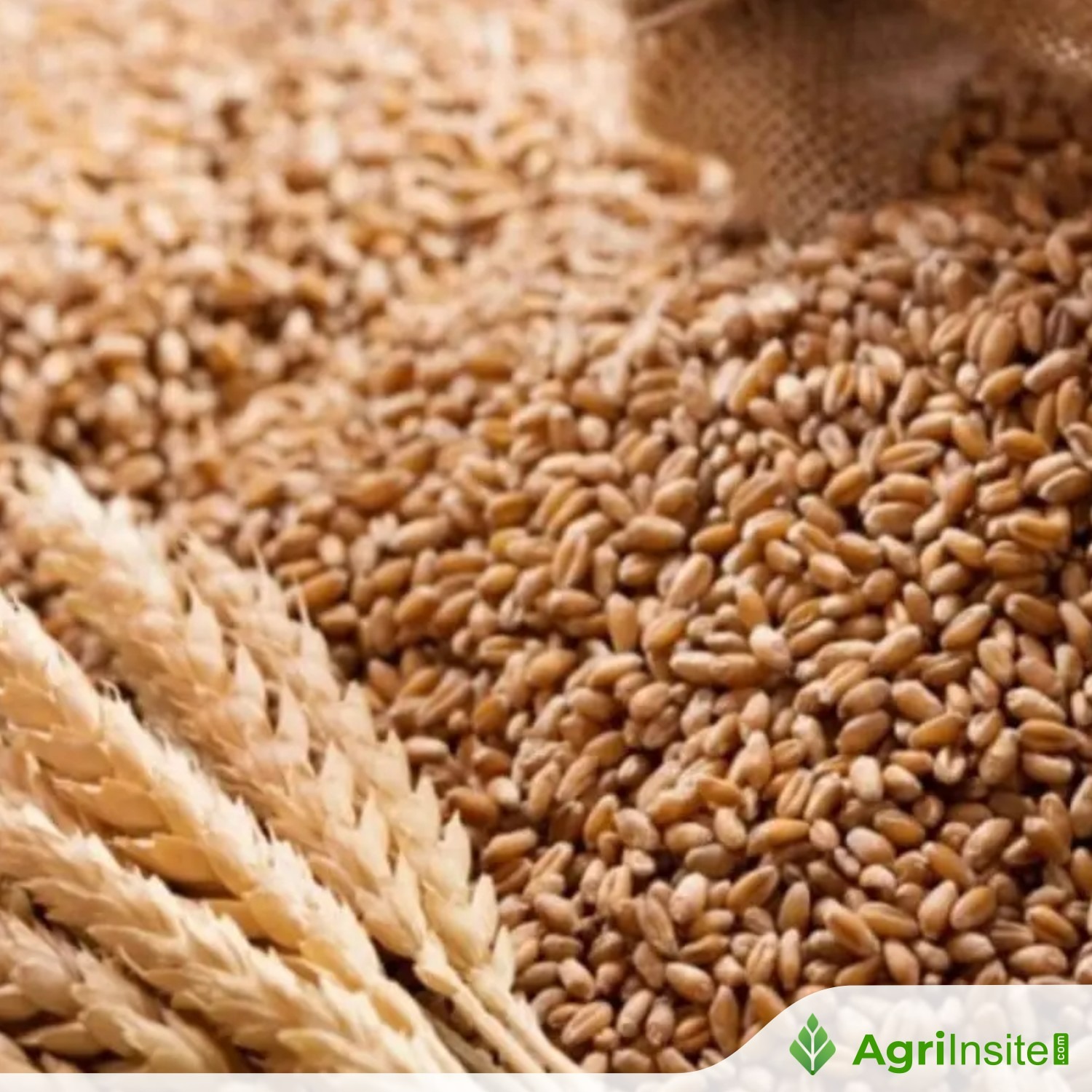
The Middle East is stabilizing, boosting confidence in Red Sea shipping, said AgResource’s Dan Basse. Saudi Arabia is emerging as a regional grain hub, shifting fully to imports. SALIC’s SABIL operates major grain logistics with 2.7 million tons of storage. Rising wheat demand and expanded infrastructure strengthen food security across the region.
“The Middle East has become much more stable, conflicts have significantly decreased, and maritime shipping through the Red Sea and the Suez Canal is expected to fully resume soon,” said Dan Basse, President and Founder of AgResource Company, at the 35th annual IAOM Mideast & Africa Conference & Expo in Jeddah, Saudi Arabia.
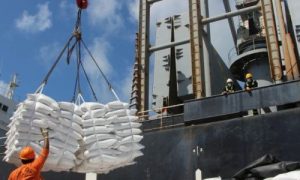
Saudi Arabia is playing a key role in the development of the grain market, becoming a regional hub for storage and distribution while ensuring food security for the region. According to Basse, the country is shifting from a subsidized domestic production model to a fully import-reliant, privatized system, sourcing wheat from Germany, Poland, Lithuania, the Black Sea region, Australia, and North America.
SABIL, operating under the Saudi Agricultural and Livestock Investment Company (SALIC), manages grain ports, storage facilities, and logistics across the country. Mauro Barbieri, Chief Operating Officer, emphasized that the company’s priority is food security and ensuring mills are fully supplied with grain nationwide. SABIL is also expanding its portfolio to include corn, soybeans, and barley.
According to SABIL, the company operates 14 grain facilities, including four port terminals, with a total storage capacity of around 2.7 million tons. At the same time, local farmers continue to produce high-quality wheat, allowing a balance of imported and domestic grain to optimally supply the mills.
Wheat demand in Saudi Arabia is rising, noted Abdullah Ababtain, CEO of First Mills. He highlighted the importance of the country’s large-scale grain infrastructure in supporting neighboring markets during periods of geopolitical risk or supply disruptions. Investments in storage capacity are becoming increasingly critical in light of climate change.
To Read more about Wheat News continue reading Agriinsite.com
Source : Ukr Agro Consult