Saudi Arabia Wheat Imports to Fall, Barley Imports to Surge in 2025-26

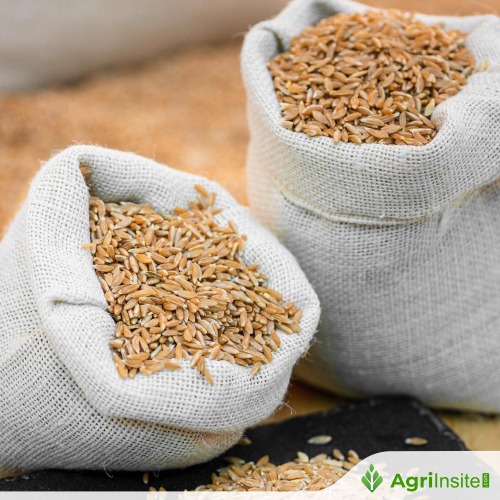
Saudi Arabia’s 2025-26 wheat imports are forecast to fall 10% to 3.1 million tonnes as domestic output rises to 1.1 million tonnes under higher procurement prices. Barley imports are set to surge to 4.2 million tonnes on cheaper global supplies, while corn imports stay strong for feed demand growth continues.
Saudi Arabia’s wheat imports for the 2025-26 marketing year are forecast to drop by 10%, according to a report from the Foreign Agricultural Service of the US Department of Agriculture. The agency estimates total imports will be 3.1 million tonnes, down from 3.402 million tonnes in 2024-25, with Russia, Brazil, Uruguay, and Bulgaria listed as top suppliers.
Domestic wheat production is expected to reach 1.1 million tonnes. The Ministry of Environment, Water, and Agriculture has incentivized this production with a procurement price of 1,750 SAR ($467) per tonne. “This pricing strategy aims to shift the farmers focus away from water intensive alfalfa hay, which has historically offered higher profitability,” the FAS said.
In contrast, barley imports are projected to increase significantly from 1.9 million tonnes in 2024-25 to 4.2 million tonnes in 2025-26. “Imported barley in Saudi Arabia is used exclusively for animal feed, and a small quantity is used for brewing nonalcoholic beer,” the FAS report stated.
The agency attributed the rise to global market conditions and domestic policy. “The increase in global barley supply has led to lower international prices, which, in turn, have stimulated barley demand in Saudi Arabia and opportunistic purchasing.” Demand has also grown due to new livestock programs aimed at strengthening food security. Argentina, Russia, Romania, Australia, and Turkey are the top barley suppliers.
Corn demand in the kingdom is projected to remain strong, supported by the continued expansion of domestic poultry operations and feed processors. Imports from Latin and North America, especially from the United States, continue to dominate the market due to competitive pricing and consistent quality.
To Read more about Wheat News continue reading Agriinsite.com
Source : Ukr Agro Consult