Strong wheat acreage points to plentiful output

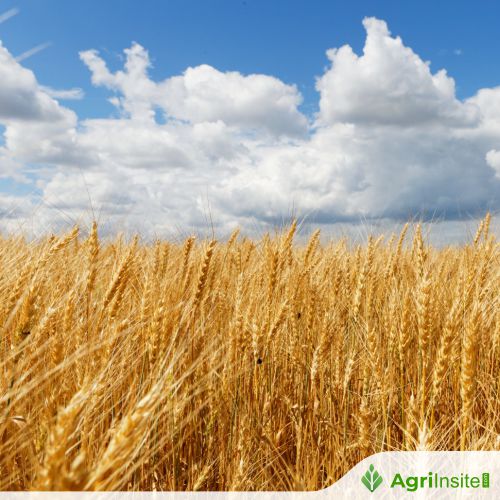
India’s wheat acreage has risen to 33.4 million hectares, 7% above the five-year average, supported by favourable weather. Total rabi sowing is slightly below last year but above average, boosting prospects for strong harvests, food supply stability, and inflation control.
Farmers have planted wheat, the winter staple, on 33.4 million hectares aided by favourable weather conditions, which is 7% higher than the five-year average, figures released by the agriculture ministry on Monday showed.
Acreage under total rabi or winter-sown crops, at 65.2 million hectares, is up 2.3% than the five-year benchmark, according to the official data. The total area sown is however slightly less than the previous year’s acreage, when it was 65.9 million hectares. Most winter crops are nearing the harvesting stage, which usually begins at the end of February.
The winter-sown season accounts for nearly half of India’s annual food supply and robust harvests help to keep a lid on inflation, aside from driving up rural demand. “Wheat sowing has remained strong and may set a new record,” an official said, requesting anonymity. In recent years, early summers have strained the country’s wheat crop in the world’s second largest grower.
The area under total winter pulses, a clutch of key commodities that tend to stoke prices because India still relies on imports, stood at 13.7 million hectares, down 3% from the average of 14 million hectares. The acreage under pulses is, however, marginally higher than last year’s 13.4 million hectares.
Farmers have planted gram in 9.5 million hectares compared to a five-year average of 10 million hectares. Lentils, another key crop, have been sown on 1.8 million hectares against an average acreage of 1.5 million hectares, the data showed.
India, the world’s biggest producer and consumer of pulses, depends on imports to meet domestic demand for pulses, a source of protein for a large section of Indians. Last year, the Modi government launched a mission to achieve self-sufficiency to end the reliance on imported pulses. The area under pulses needs to go up significantly from current levels to achieve that goal, said Rahul Chouhan, an analyst with iGrain.
The area sown under oilseeds, which determine how much edible oil India needs to import to meet demand, stands at 9.6 million hectares, an 11% expansion compared to a five-year average of 8.6 million hectares.
To Read more about Wheat News continue reading Agriinsite.com
Source : Hindustan Times