Sugar Industry Body Suggests Ethanol Use To Reduce LPG Imports

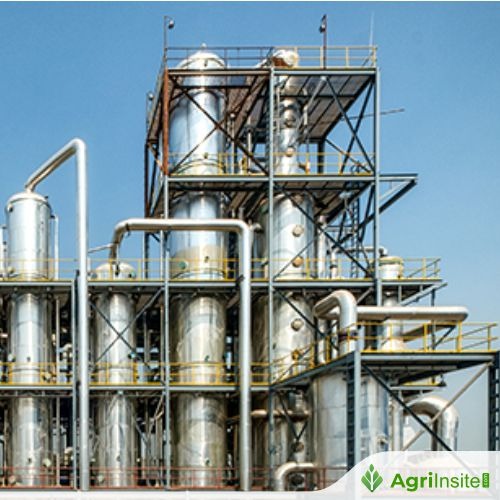
Indian Sugar & Bio-energy Manufacturers Association has proposed expanding ethanol use in India to reduce dependence on imported LPG and lower subsidy costs. The industry warned that heavy LPG imports—many shipped via the Strait of Hormuz—expose the country to global supply disruptions amid geopolitical tensions.
India’s sugar industry has proposed the increased use of domestically produced ethanol to cut reliance on imported liquefied petroleum gas (LPG) and reduce the government’s subsidy burden, according to a recent representation by the Indian Sugar & Bio-energy Manufacturers Association (ISMA) to the Prime Minister’s Office (PMO). The industry body highlighted that growing LPG import dependence exposes India to global supply risks, especially amid ongoing geopolitical tensions.
ISMA noted that, despite schemes such as the Pradhan Mantri Ujjwala Yojana expanding access to clean cooking fuel, approximately 60 per cent of India’s LPG requirements are met through imports. The association pointed out that India consumes over 34 million tonne of LPG each year, with a significant portion transported through sensitive regions, including the Strait of Hormuz, making supply vulnerable to external disruptions.
The representation outlined that India’s ethanol production capacity has already surpassed 2,000 crore litres, supported by government biofuel policies and the ethanol blending programme. ISMA stated that ethanol could serve as a viable alternative to LPG for cooking purposes, given its clean combustion properties, lower emissions, and adaptability to flexible distribution models such as pay‑as‑you‑go systems.
According to the submission, substituting 20 per cent of domestic LPG consumption with ethanol could reduce annual LPG use by around 6 million tonne and generate estimated savings exceeding Rs 8,000 crore in subsidy and related compensation payments to oil marketing companies.
ISMA recommended a structured policy framework to facilitate this transition, including official recognition of ethanol as a clean cooking fuel, integration with existing fuel retail networks, support for innovative distribution models, and targeted pilot projects. The association also suggested that these initiatives be coordinated with existing schemes such as the Ujjwala Yojana to ensure wide adoption and accessibility.
The submission stressed that, if implemented, these measures would help reduce India’s dependence on imported LPG, lower fiscal expenditure on subsidies, and expand the domestic market for biofuels, providing a more resilient and sustainable cooking fuel ecosystem for households and small businesses.
To Read more about Ethanol Industry & Bio Energy News, continue reading Agriinsite.com
Source : BW Businessworld