Vietnam targets stable, high-quality supply chain for future rice exports

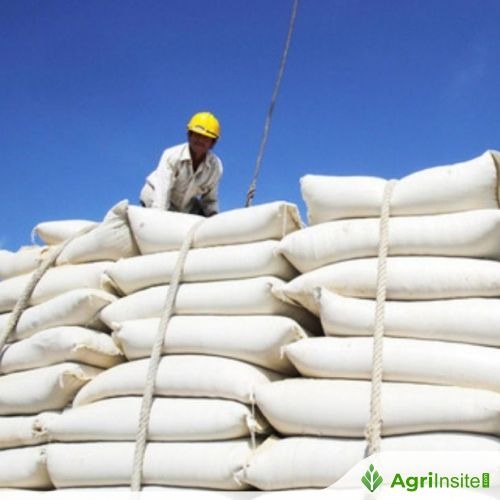
Vietnam warned of challenges to 2026 rice exports, including global instability, weak demand and rising protectionism. Jan–Nov 2025 exports hit 7.53 million tonnes but value fell. Shipments to Indonesia and Malaysia dropped while China, Bangladesh, Ghana and Senegal grew sharply. Officials urged sustainable production, stable cultivation and stronger branding to stay competitive.
HCM City (VNA) – Sustainable rice export strategies were the focus of a conference held in Ho Chi Minh City on December 10, where the Import–Export Department under the Ministry of Industry and Trade assessed both the challenges and opportunities facing Vietnam’s rice exports in 2026.
Nguyen Anh Son, Director General of the Import–Export Department, noted that the sector is confronting a series of difficulties, including escalating geopolitical instability in several regions, persistently high inflation, and slow global trade and investment recovery. Tight monetary policies in major economies continue to exert pressure on financial and currency markets in developing countries.
Meanwhile, global consumer demand and economic activity remain subdued.
He added that protectionist measures are re-emerging in various forms, while developed economies are increasingly prioritising consumer safety, sustainability and climate action, resulting in new standards and regulations for imported goods.
According to data from the Department of Customs, Vietnam exported more than 7.53 million tonnes of rice worth over 3.85 billion USD in the first 11 months of 2025. The average export price stood at more than 511 USD per tonne, down 10.9% in volume and 27.4% in value year-on-year. Significant declines were recorded in several markets, including Indonesia (down over 96%) and Malaysia (down 32.5%).
Conversely, exports reported strong growth in other markets: Ghana up 52.64%, China up more than 165%, Senegal up roughly 73 times, and Bangladesh up a remarkable 238 times. These increases helped offset sharp falls in Indonesia, Cuba and Malaysia. Vietnam’s rice exports currently consist mainly of high-quality white rice and fragrant varieties, which account for 69% of total shipments.
The Philippines, Vietnam’s largest rice market in recent years, is expected to reopen imports from January 2026, albeit with adjustments to tariff levels. Demand from traditional markets such as China, Bangladesh and African countries is also rising. Vietnam has additionally secured new rice trade agreements, creating opportunities to penetrate emerging markets. Domestically, the quality of Vietnamese rice continues to improve, strengthening its competitiveness globally.
Representative from the Plant Protection and Crop Production Department under the Ministry of Agriculture and Environment forecast that rice cultivation areas will fall by around 0.2 million ha in 2026 due to seasonal adjustments, with output estimated at about 43 million tonnes. They urged localities to focus on restoring production after natural disasters and ensuring stable cultivation areas, seed structures and schedules for the 2025–2026 Winter–Spring crop.
The Mekong Delta will continue rolling out the project to develop one million ha of sustainable, high-quality, low-emission rice linked to green growth by 2030, while fostering consumption and export of this product line.
Le Thanh Tung, Standing Vice Chairman and General Secretary of the Vietnam Rice Industry Association, proposed that rice be considered a special commodity requiring close monitoring to ensure domestic consumption and food security alongside effective export performance. He called for strengthening linkages to establish stable material zones that meet food safety, traceability and quality standards, and to build strong branding for Vietnamese rice. Businesses and farmers, he stressed, must produce in line with import market requirements to balance supply and demand and maintain price stability.
Ngo Chung Khanh, Deputy Director General of the Multilateral Trade Policy Department, recommended developing plans and strategies to maximise the benefits of free trade agreements (FTAs) for the rice sector. This includes clear task allocation among agencies and enterprises, accelerating brand-building efforts, and enhancing coordination between state bodies and industry associations.
Commercial counsellors from Vietnam’s trade offices in Australia, Nigeria, Singapore, Malaysia, the Philippines, Egypt, Algeria, China and other markets provided updates on rice import policies in their host countries. They urged Vietnamese exporters to pay close attention to quality standards, quarantine procedures, packaging and labelling, while carefully assessing foreign partners’ profiles and payment practices to ensure safe and effective exports./.
To Read more about Rice News continue reading Agriinsite.com
Source : VietnamPlus