India approves US DDGS imports under interim trade agreement

India will permit duty-free or concessional imports of U.S. DDGS under an interim trade pact, a move backed by the Poultry Federation of India. Commerce Minister Piyush Goyal announced tariff quotas to ease feed shortages, curb rising soybean meal costs, and support poultry profitability.
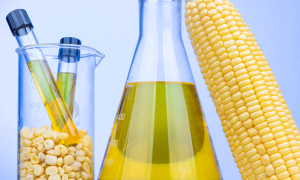
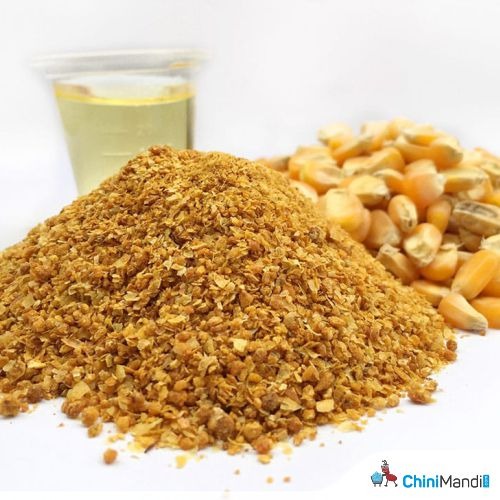
India will allow imports of U.S. distillers dried grains with solubles (DDGS) on preferential terms under an interim trade agreement between the two countries. The decision provides the application of zero or reduced import duties on DDGS shipments used in compound feed production.
The initiative has been supported by the Poultry Federation of India. According to its Joint Secretary Ricky Thaper, India’s Commerce Minister Piyush Goyal earlier announced the introduction of tariff quotas for duty-free or concessional imports of U.S. DDGS.
Industry estimates suggest that domestic demand for feed resources will grow faster than local production, potentially requiring expanded import volumes by the early 2030s. Sector representatives note that output of feed energy sources, particularly corn, as well as protein sources including soybean meal, often fails to meet the needs of poultry, dairy farming, and aquaculture. Limited arable land and persistent productivity gaps further constrain domestic supply growth.
“Feed imports, especially under reduced or zero duties, can help smooth the imbalance between supply and demand,” Ricky Thaper emphasized.
Earlier, several national and regional poultry associations addressed India’s Minister of Fisheries, Animal Husbandry and Dairying, Rajiv Ranjan Singh, expressing concern over shortages and rising soybean meal prices. Market participants warn that this creates risks for production sustainability and may lead to higher livestock product prices.
With around seven months remaining until the new soybean harvest, maintaining profitability for poultry enterprises is becoming increasingly challenging. This directly affects egg and poultry meat prices, as well as overall food inflation. Additional pressure stems from volatile corn prices, as demand for the grain is rising not only from the feed sector but also from related industries, including bioethanol production.
To Read more about Ethanol Industry & Bio Energy News, continue reading Agriinsite.com
Source : Ukr Agro Consult