Tanzania plans two new sugar factories and targets 550,000 tonnes output in 2026/27 to end shortages

Tanzania plans major reforms to tackle sugar and edible oil shortages by boosting domestic production. Oilseed output and sugarcane production will increase, alongside new factories and seed farms. The strategy aims to cut imports, expand exports, and strengthen food security through improved storage infrastructure and new market development.
The Tanzanian government has laid out a series of measures to address recurring shortages of sugar and edible oil, with a comprehensive production strategy due to be rolled out in the 2026/27 financial year, the Daily News reported.
Presenting budget estimates for his ministry before the National Assembly, Minister for Agriculture Daniel Chongolo said the government would complete and implement the National Edible Oil Strategy, aimed at reducing the country’s dependence on imports. He said national demand for edible oil currently stands at approximately 731,974 tonnes annually, while domestic production amounts to only 305,906 tonnes, leaving a deficit of 426,068 tonnes that compels Tanzania to spend significant foreign exchange on imports. To narrow this gap, the ministry plans to increase oilseed crop production from 2.24 million tonnes in 2024/25 to 2.3 million tonnes in 2026/27.
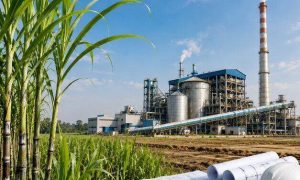
On sugar, Chongolo said national sugarcane production is targeted to grow from 4.35 million tonnes, which yielded 410,979 tonnes of sugar in 2025/26, to 5.5 million tonnes in 2026/27, with projected sugar output of 550,000 tonnes. The government will also proceed with establishing two new sugar factories in the Coast and Kigoma regions. In Tanga Region, the minister said investment arrangements are under way for three factories — one for industrial sugar and two for table sugar that will also supply raw materials for industrial-grade production.
To support reliable cane seed supply, the Tanzania Agricultural Research Institute (TARI) will establish a 10-acre cane seed farm in Kilosa capable of producing 400 tonnes of seed cane, alongside a five-acre farm in Mvomero expected to yield a further 200 tonnes. The Sugar Board of Tanzania will also prepare investment zones in the Pangani Basin, covering the districts of Korogwe, Muheza, Handeni, and Pangani, spanning 146,704 hectares.
On agricultural exports, the ministry is targeting an increase from 3.54 billion US dollars in 2023/24 to nearly 4 billion US dollars by 2026/27, alongside the opening of 15 new export markets. On food security, the National Food Reserve Agency (NFRA) will expand storage infrastructure, including facilities under development in Songea, Makambako, Dodoma, Shinyanga, and Songwe with a combined capacity of 165,000 tonnes. New facilities with a capacity of 85,000 tonnes and an additional 65,000 tonnes of storage in Arusha, Sumbawanga, and other locations are also planned. Once complete, the expanded infrastructure is expected to strengthen Tanzania’s national food reserves and support the country’s ambition to become a regional food hub.
To Read more about Sugar Industry continue reading Agriinsite.com
Source : ChiniMandi