Thai Mideast rice exports halted as war adds strain on farmers

Thailand’s rice exports to the Middle East have stalled as the escalating war disrupts shipments through the Strait of Hormuz. Suspended cargoes and rising freight and insurance costs are halting new deals, increasing pressure on Thai farmers already facing falling prices, high input costs, and weaker global demand.
(March 13): Thai rice exports to the Middle East were halted as the escalating war disrupts shipments to the nation’s largest market for the grain, further straining farmers grappling with rising costs and reduced overseas demand.
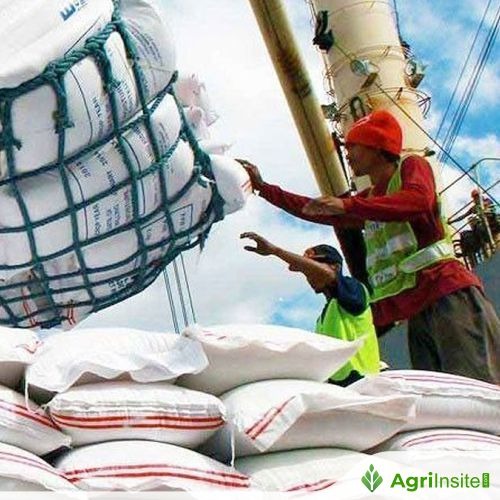
Two ships carrying a combined 80,000 tons of rice bound for Iraq were suspended at a Bangkok port this week, with buyers instructing containers be unloaded and the grain returned to warehouses, Chookiat Ophaswongse, honorary president of the Thai Rice Exporters Association, said in an interview.
“Everything is at a standstill,” Chookiat said, adding that shipments to the Middle East could be suspended for months. “No new purchases are happening either because nobody knows what will happen.”
The situation threatens to further batter farmers struggling with falling domestic prices and a strong baht eroding their overseas competitiveness. The pressure on rice growers could ripple through the nation’s economy. Thailand’s agricultural sector accounts for about a quarter of the workforce.
The nation’s rice exports were already forecast to fall 11% this year to seven million tons, a five-year low. The outlook has darkened further because Iraq — Thailand’s largest rice buyer — requires shipments through the Strait of Hormuz, where a Thai cargo ship was struck this week by Iranian projectiles.

Thai rice shippers are facing steep war-risk surcharges and higher freight rates tied to rising fuel costs, Chookiat said.
The added costs will cut into exporters’ margins at a time the global price of Thai rice is increasing because of the baht’s strength against the dollar, while projections of ample global supplies are dampening demand.
Thailand’s 5% white rice was quoted at US$392 (RM1,542.13) a ton on Friday, compared with US$356-US$360 for similar grades from Vietnam, and US$350-US$354 from India, according to the exporters’ association’s data.
“You might think that demand for rice must be high during war,” Chookiat said. “That’s true in theory, but in practice, it can’t be delivered.”
Rice farmers are also struggling to secure key supplies of fuel and fertilisers mostly sourced from the Middle East ahead of the planting season that starts in weeks.
“If fuel and fertilisers become more expensive, farmers will become even more distressed,” said Kriengsak Tapananon, an adviser to the Thai Agriculturist Association.
The country’s fertiliser traders said existing inventories could last two to three months at current prices, but uncertainty over the war has fuelled anxiety about future supplies and costs.
Thai growers aren’t finding much relief from the domestic market, where prices are low due to a good harvest and abundant global supplies. Benchmark unmilled paddy rice with 15% moisture content fetched about 6,800 baht a ton in the nation’s rice-growing northeastern region in January, about half the 11,000 baht recorded a year earlier, according to agriculture ministry data.
Farmers’ apprehensions have led some to line up at gas stations with truckloads of empty containers to ensure they can operate machinery such as combine harvesters as reaping is in full swing, only to be turned away in efforts to curb hoarding.
Many growers, strapped with high household debt and low productivity, may be forced to scale back planting, delay loan repayments or borrow more to stay afloat, Kriengsak said.
“When sales are low or when the cost of production increases, farmers bear the cost,” Kriengsak said.
To Read more about RiceNews continue reading Agriinsite.com
Source : The Edge Malaysia