Sri Lanka’s wheat consumption rises on economic and tourism revival

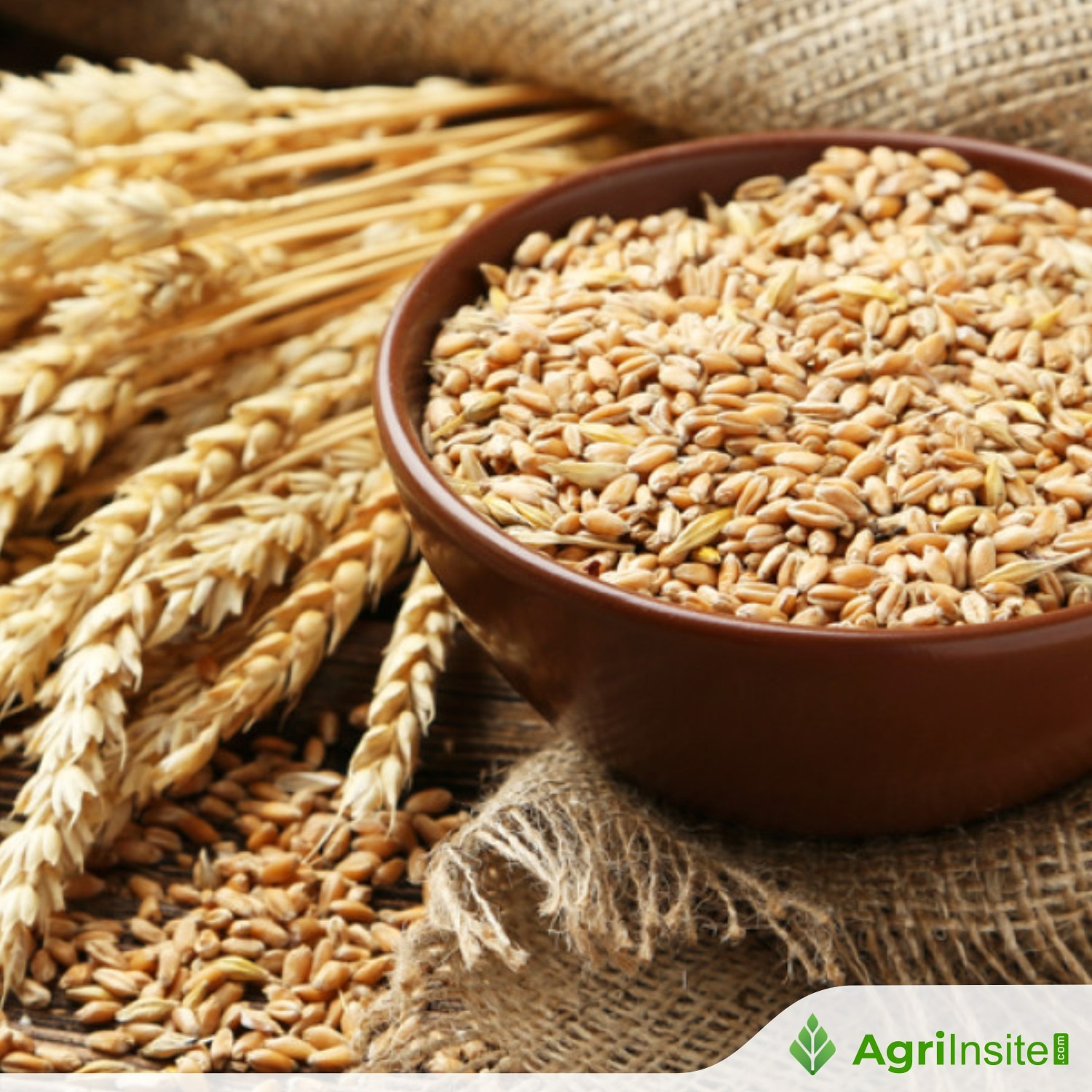
Sri Lanka’s wheat consumption is forecast to rise to 1.1 million tonnes in 2026/27, driven by economic recovery and tourism growth. Wheat imports are expected at 1.2 million tonnes, mainly from Russia, while wheat product exports may reach 100,000 tonnes amid expanding regional demand and excess milling capacity.
Sri Lanka’s appetite for wheat, the island’s second staple food, is on a steady upward trajectory, fuelled by a recovering economy and a booming tourism sector but yet to reach the pre-crisis levels.
According to the latest report by the United States Department of Agriculture (USDA) Foreign Agricultural Service, the country’s total wheat consumption for the 2026/2027 marketing year (July-June) is forecast at 1.1 million metric tonnes.
This marks an increase from the revised 1.035 million metric tonnes estimated for the previous year.
“The modest increase in consumption is attributed to Sri Lanka’s economic growth,” the report noted, pointing to the World Bank projections indicating that gross domestic product would grow by 3.5 percent in 2026 and 3.1 percent in 2027.
The rapid resurgence of the hospitality industry is acting as a major catalyst for this growing demand. The report highlights that international tourists consume a significantly higher volume of flour-based products—such as bread, pastries and pasta—compared to the local population, which traditionally favours rice.
With the country welcoming over 2.36 million visitors in 2025 and targeting three million arrivals in 2026, the hospitality sector’s wheat requirement is expanding rapidly.
On the domestic front, while the retail wheat flour prices have stabilised around Rs.180 per kilogramme, the report cautions that “many households have not achieved their pre-crisis levels of consumption, due to the limited disposable income”, strained by the higher taxes and utility costs.
Additionally, the evolving health policies are reshaping the market, with the government introducing regulations that mandate the fortification of flour with folic acid and iron, alongside a minimum 80 percent extraction rate for refined wheat flour to boost dietary fibre.
Entirely dependent on imports, due to a climate unsuited for wheat cultivation, Sri Lanka relies heavily on a duopoly of local millers—Prima Ceylon Ltd and Serendib Flour Mills—to process the imported grain at the port-of-entry facilities in Colombo and Trincomalee.
To meet the rising domestic demand, the wheat imports for the 2026/2027 marketing year are forecast to reach 1.2 million metric tonnes, an increase of 50,000 metric tonnes from the previous year, though still 19 percent below the pre-crisis volumes.
Russia remains the dominant supplier, accounting for 54 percent of Sri Lanka’s wheat imports, followed by Canada at 18 percent and Turkey at 13 percent.
The report notes that “import origins are primarily determined by price, leading to higher imports from Russia”, while the premium grain from the United States and Canada is sourced for specialty flour products regardless of the cost.
Despite the government efforts to promote local milling through higher tariffs on direct flour imports, significant volumes of Turkish wheat flour continue to enter the local market.
Currently, the imported wheat flour faces a 20 percent or Rs.27 per kilogramme tax, compared to a mere 5 percent or Rs.6 per kilogramme general duty on wheat grain.
Meanwhile, Sri Lanka’s substantial excess milling capacity is driving a lucrative export trade in wheat products. The USDA forecasts wheat product exports to hit 100,000 metric tonnes in the 2026/2027 period, up from an estimated 90,000 metric tonnes the previous year.
“The Sri Lankan market of late, has been saturated with domestically milled wheat flour,” the report stated, explaining that the millers are aggressively tapping into regional foreign markets, with main export destinations including the Maldives, Malaysia, Singapore, Cambodia, Hong Kong and Thailand.
To Read more about Wheat News continue reading Agriinsite.com
Source : Daily Mirror Online