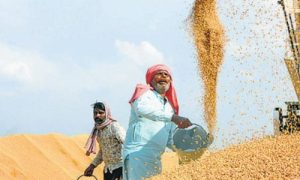
War increases pressure on farmers in Russia and Ukraine

Despite the ongoing Russia–Ukraine war, both countries continue to maintain strong grain production. Russia harvested about 142 million tonnes in 2025, while Ukraine produced 61.8 million tonnes. However, farmers face rising costs, labour shortages, equipment constraints and export risks, increasing pressure on profitability and future production stability.
The war between Russia and Ukraine, now in its fifth year, has not yet caused a sharp decline in grain production in either country. However, farmers are increasingly facing economic and operational difficulties, including rising costs, labor shortages and logistical risks.
According to official Russian data, the country harvested about 142 million tonnes of grain in 2025, including around 92 million tonnes of wheat. This represents one of the largest harvests in the country’s history and, according to government officials, demonstrates the resilience of the agricultural sector.
Farmers, however, describe the situation more cautiously. Producers report that rising production costs, high borrowing rates and export duties are significantly reducing the profitability of grain farming.
In addition, much of the grain export trade is controlled by a limited number of large companies, which keeps domestic purchasing prices relatively low. As a result, many farms face declining margins despite strong harvest volumes.
Further pressure on the sector comes from restrictions on the import of agricultural machinery and spare parts, which makes renewing and servicing equipment more difficult and expensive.
In Ukraine, the agricultural sector is also operating under significant strain. Although the country harvested about 61.8 million tonnes of grain in 2025, up from the previous year, the industry continues to face risks linked to the ongoing conflict.
One of the key challenges is the reduction of cultivated land due to territorial losses and security risks in frontline regions. Analysts estimate that the total area planted with grain crops in 2026 could decline to around 11.5 million hectares.
Labor shortages have also become a major concern for farmers. Many workers have been mobilized into the armed forces or have left the country, making it increasingly difficult for farms to find experienced machine operators, agronomists and seasonal workers.
Energy disruptions add another layer of difficulty. Grain storage facilities, elevators and seed warehouses require continuous electricity, forcing many farms to rely on diesel generators and increasing production costs.
Another risk comes from the tense situation in the Black Sea, where attacks on civilian vessels have increased. Analysts warn that further escalation could raise shipping insurance costs, reduce export volumes and increase volatility in global grain markets.
To Read more about Wheat News continue reading Agriinsite.com
Source : Ukr Agro Consult