Thailand : Sugar cane demand poised to rocket

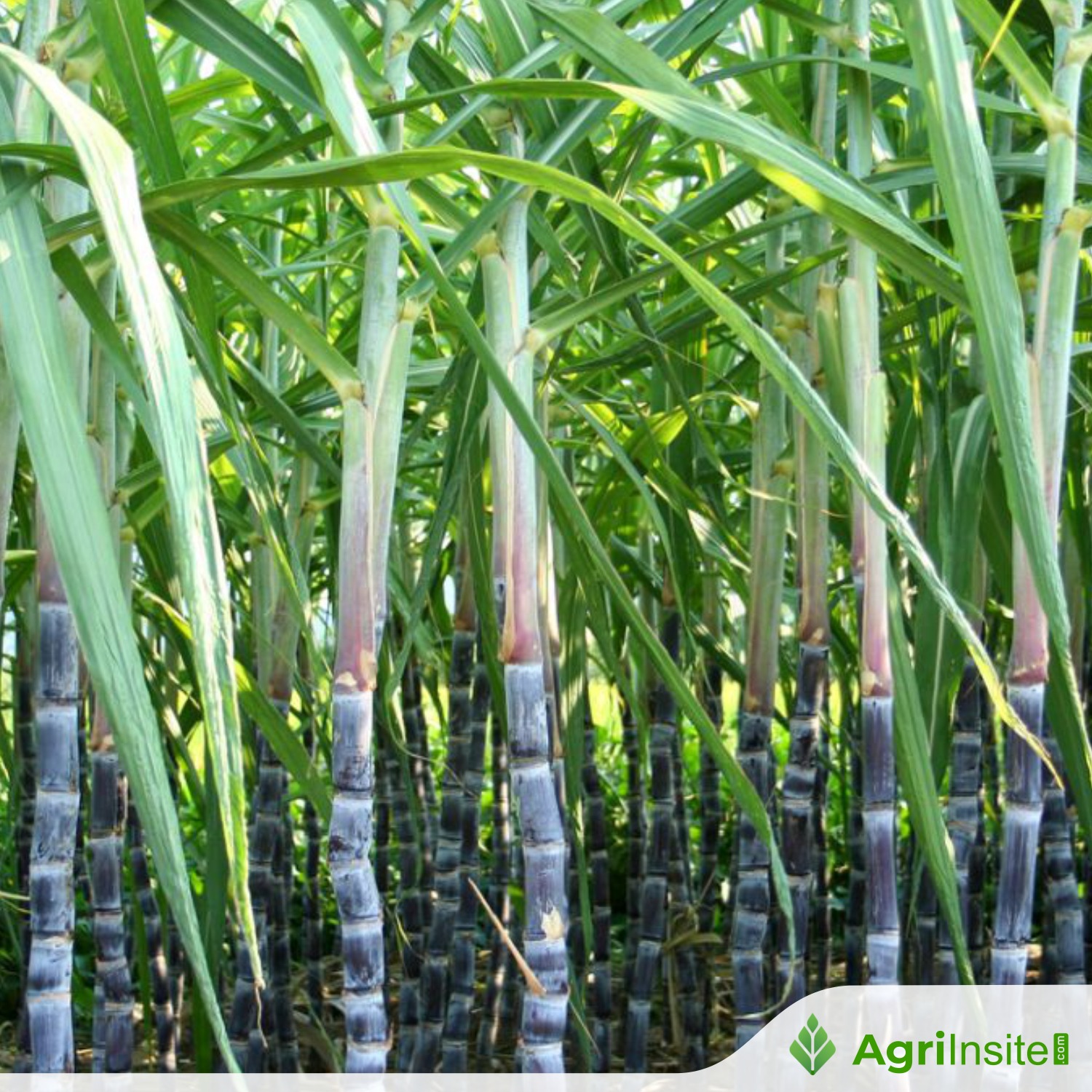
In Thailand, purchases of sugarcane leaves for biomass energy are expected to more than double next season as the country seeks alternatives to natural gas imports disrupted by Middle East tensions. The Office of the Cane and Sugar Board estimates demand will rise from 2.14 million tonnes in 2025–26 to about 5 million tonnes in 2026–27, supporting power generation and reducing field burning.
The Office of the Cane and Sugar Board (OCSB) expects purchases of sugar cane leaves to more than double this year as Thailand reduces its reliance on liquefied natural gas imports, shipments of which have been disrupted by war in the Middle East.
Sugar cane leaves, often discarded after harvest, can be converted into biomass fuel for power plants.
Thailand is dependent on natural gas for electricity generation and is seeking alternatives to strengthen energy security.
According to Bainoi Suwanchatri, secretary-general of the OCSB, purchases of sugar cane leaves are expected to rise from 2.14 million tonnes in the 2025-26 crop year to 5 million tonnes in 2026-27.
“Sugar cane leaves not only help generate electricity during an energy crisis, but also reduce burning in fields, which lowers PM2.5 dust levels,” Mr Bainoi said.
Thailand, one of the world’s top three sugar exporters, already uses molasses and bagasse from sugar cane to produce ethanol, a biofuel blended with gasoline to make gasohol. This reduces oil imports and supports cleaner energy use.
Somchai Harnhirun, chairman of the coordination committee of Thai Sugar Millers Corporation (TSMC), urged the government to elevate energy crops, particularly sugar cane, to a national agenda item.
“Thailand has more than 11 million rai of plantation area producing 92 million tonnes of cane annually. This amount can drive biofuel and biomass production efficiently,” he said.
TSMC said sugar cane leaves and other agricultural waste could generate up to 650 megawatts of electricity.
The corporation said promoting gasohol E20, which contains 20% ethanol, as the primary fuel could also cut crude oil imports by 2.9 million litres per day — nearly 1.06 billion litres annually.
Energy officials are encouraging wider use of E20 by keeping its price lower than gasohol 91 and 95, which contain 10% ethanol.
E20 is 3.24 baht per litre cheaper than gasohol 91 and 3.21 baht cheaper than gasohol 95.
Caretaker energy minister Auttapol Rerkpiboon said the government wants to widen the price gap to more than 4 baht per litre to accelerate adoption.
Officials also plan to promote the use of biodiesel B10, a mix of diesel and 10% methyl ester, to reduce dependence on diesel, he said.
Motorists currently use biodiesel B7, mixed with 7% methyl ester, which is made from palm oil.
To Read more about Sugar Industry continue reading Agriinsite.com
Source : Bangkok Post