Bangladesh : DAE sets Aush rice production target of 179,161 tonnes in Rangpur

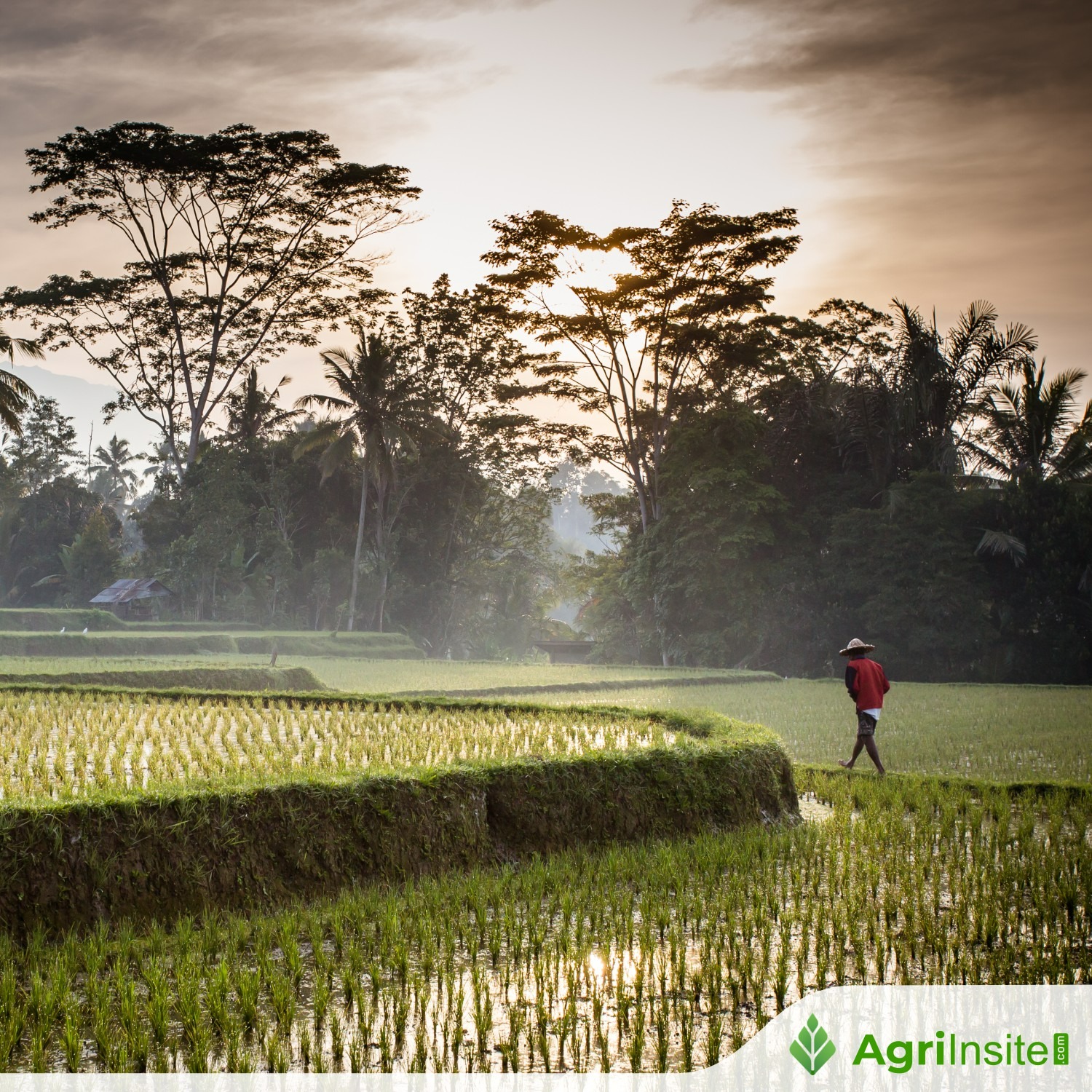
Bangladesh has set a target to produce over 179,000 tonnes of Aush rice in the Rangpur region this Kharif-1 season. Authorities are promoting the short-duration crop to boost output, support climate resilience, and enable multiple cropping cycles using limited irrigation and seasonal rainfall.
The Department of Agricultural Extension (DAE) has fixed a production target of 179,161 tonnes of clean Aush rice, equivalent to 268,742 tonnes of paddy, from 59,195 hectares of land in the Rangpur agricultural region this Kharif-1 season.
Deputy Director of the DAE for the Rangpur region, agriculturist Md Shirajul Islam, said transplantation of Aush seedlings will begin soon and continue until the first week of June across Rangpur, Gaibandha, Kurigram, Lalmonirhat and Nilphamari districts.
Farmers have already prepared seedbeds on 558 hectares of land against a target of 2,791 hectares in the region.
Officials said the government has taken various steps to expand Aush cultivation in response to the adverse impacts of climate change. These include providing incentives to small and marginal farmers, conducting awareness campaigns and offering technical support.
Islam noted that Aush rice is gaining popularity as a short-duration crop grown during the off-season between Boro harvest and Aman transplantation, when land often remains fallow. The crop requires less irrigation and can be cultivated using seasonal rainfall.
He added that after harvesting Aush by mid-August, farmers can easily plant Aman on the same land, increasing overall rice production.
During the last Kharif-1 season, farmers produced 184,603 tonnes of clean Aush rice from 61,163 hectares in the region.
Agriculture experts have also emphasised the importance of expanding Aush cultivation. Md Mamunur Rashid, a PhD fellow at Hajee Mohammad Danesh University of Science and Technology, said Aus rice farming can help boost food production amid climate challenges.
He recommended using modern technologies and seasonal rainwater to expand Aush cultivation as a cost-effective alternative to Boro rice.
Renowned rice scientist Dr Md Abdul Majid welcomed the expansion of Aush farming, noting that it requires less irrigation and supports sustainable food production under changing climatic conditions.
Meanwhile, farmers in the region said they have already prepared seedbeds and are getting their land ready for transplanting.
To Read more about Rice News continue reading Agriinsite.com
Source : Somoy News