Philippine : DA moves to cushion impact of ‘super’ El Niño on food supply


The Philippines is preparing for a possible super El Niño that could cut farm production by 20–30%. The government is expanding climate-resilient support, irrigation, insurance and rice imports from Vietnam, while agriculture output already declined amid typhoons and drought-related risks in 2026.
The Department of Agriculture (DA) is rolling out intervention measures to prepare the agriculture sector for the potential impact of a super El Niño phenomenon, which is estimated to cut production by up to 30 percent.
In a statement, Agriculture Secretary Francisco Tiu Laurel said the DA is now implementing initiatives to help farmers cope with losses that “cannot be entirely prevented.”
“What we learned during the 2024 El Niño will guide how we prepare and intervene this time around,” the DA chief said.
Philippine Statistics Authority (PSA) data showed that the value of the country’s agriculture and fisheries sector declined by 2.2 percent to ₱1.73 trillion in 2024 from ₱1.76 trillion in 2023, largely due to damage caused by a prolonged dry spell due to El Niño.
In the first quarter of 2026, agriculture output already contracted by 0.3 percent, driven by a drop in crop production due to the impact of successive typhoons in the latter part of 2025.
With the looming El Niño in the second half of the year expected to be more severe, its impact on farm production is estimated to result in losses of between 20 percent and 30 percent.
Combined with the spillover effects of the Middle East crisis on the supply of key planting inputs, the DA has stepped up intervention programs under the National Rice Program (NRP) and Rice Competitiveness Enhancement Fund (RCEF).
Ongoing measures include the provision of high-quality and climate-resilient seeds, fertilizer assistance, farm mechanization, irrigation support, water-saving technologies, credit assistance, and intensified extension and farmer training services.
The DA has also strengthened preparedness through irrigation system assessments, climate risk mapping, localized planning, and the prepositioning of drought-tolerant seeds, fertilizers, and irrigation support.
To safeguard farmers from potential losses, the agency is reinforcing assistance programs such as crop insurance, credit access, and market facilitation.
A task force to assess the impact of El Niño and enhance interagency coordination and response readiness has also been reactivated.
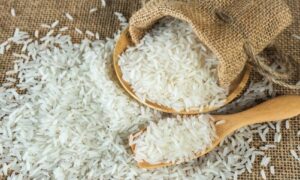
As part of efforts to ensure food security, the government earlier entered into a landmark rice supply agreement with Vietnam, the country’s top supplier of the commodity.
Both governments agreed on a one-year arrangement covering 1.5 million metric tons (MT) of the popular DT8 rice variety, which will be delivered to the Philippines through April 2027. The price for each MT of the imported rice has been fixed at $450.
Still, Tiu Laurel said the actual import volume under the agreement will depend on both market prices and domestic production.
“We will continue to balance food security with the interests of our farmers, ensuring they earn a fair return for their hard work,” he said.
The latest Bureau of Plant Industry (BPI) data showed that a total of 1.58 million MT of imported rice had arrived in the country as of April 23, with Vietnam accounting for 1.36 million MT, or 86 percent of total.
To Read more about Rice News continue reading Agriinsite.com
Source : Manila Bulletin