Vietnam boosts fuel reserves to strengthen energy security

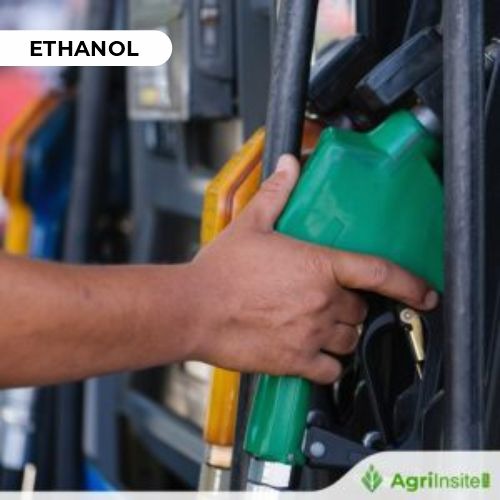
Vietnam has increased fuel reserves to 26 days from 15 to strengthen energy security amid global tensions. With demand rising and heavy reliance on Middle East imports, the government is boosting refining, distribution, and alternative fuels to ensure stable supply and reduce import dependence by 2030.
Hanoi: Vietnam has raised its fuel reserves to about 26 days from 15 days earlier, as the government steps up efforts to safeguard energy supplies against global disruptions and geopolitical tensions, Industry and Trade Minister Le Manh Hung said, Vietnam Global reported.
Speaking in the National Assembly, Le Manh Hung said global conflicts have put pressure on the country’s fuel market, prompting authorities to adopt flexible measures and improve supply stability.
Vietnam’s fuel demand reached about 26.2 million tonnes in 2025 and is expected to cross 28 million in 2026. While around 70% of the demand is met through domestic refining at the Dung Quat Oil Refinery and the Nghi Son Oil Refinery, the remaining 30% depends on imports.
However, the country remains heavily reliant on the Middle East for nearly 70% of its total fuel imports when both crude and refined products are considered, underlining the need for stronger reserves.
The government has outlined three priorities to ensure energy security—adequate supply, uninterrupted distribution, and affordable access for consumers and businesses. Measures include boosting refinery output, reviving ethanol and cassava processing plants, and strengthening distribution networks.
Vietnam’s fuel supply chain currently includes 26 major traders, 245 distributors and about 17,200 retail outlets nationwide.
Officials said these steps have helped maintain stable fuel availability despite global volatility. Retail fuel prices in Vietnam remain lower than the global average and are also more stable compared to several regional markets.
Looking ahead, Vietnam plans to reduce its dependence on imported primary energy from about 43.9% to nearly 30% by 2030, supported by policy changes that would allow quicker response to market fluctuations.
The increase in reserves is seen as a key step in improving the country’s ability to manage supply risks and maintain stability in a volatile global energy environment.
To Read more about Ethanol Industry & Bio Energy News continue reading Agriinsite.com
Source : Chinimandi