Global wheat, corn production estimates down; soybeans up

IGC forecasts a 60 million tonne drop in global grain output for 2026-27, led by declines in wheat and corn due to weather risks and high fertilizer costs. Soybean production is expected to rise, while wheat supplies face significant pressure globally.
The U.S. Department of Agriculture will release its first 2026-27 estimates on May 12, but the International Grains Council has already released its numbers for the global wheat, corn, soybean and rice crop.
The latest IGC projections are calling for a drop in total grain production of 60 million tonnes. The drop could be larger due to the higher prices for fertilizers in 2026-27.
Soybean production is expected to increase by 13 million tonnes from last year to 441 million tonnes.
Corn production is expected to drop by 24 million tonnes to 1.3 billion tonnes. The loss in corn area is due to the price outlook and higher fertilizer prices.
This has led to increases in the forecasts of global soybean production this year.
The largest change in production is forecast in global wheat production, with total production expected to drop by 23.9 million tonnes to 820.8 million tonnes.
The majority of the losses in wheat production will occur in the major exporting countries, amounting to 35.4 million tonnes.
IGC projects a 7.2 million-tonne loss in U.S. production, while European Union output is forecast to be down by 5.8 million tonnes. Losses in Australia this year are projected to reach 4.2 million tonnes, while Canadian production is expected to be down by 3.4 million tonnes.
The wheat estimates are likely to move even lower in the United States and Australia in the coming months.
In Australia, the impending El Nino and fertilizer shortages will likely drop wheat production even further.
The fertilizer shortage is most concerning because the crop is currently being planted, and most of the fertilizer application in wheat occurs during the planting season.
Even more ominous is the quickly developing El Nino, which is expected to bring dry weather during the Southern Hemisphere winter season and into the spring.
The problems with the U.S. hard red winter wheat crop are even more acute.
The crop in the southern Plains has suffered from extreme drought over the past three months, which has dramatically reduced its condition.
Kansas wheat conditions are rated at 33 per cent good to excellent and 41 per cent poor to very poor.
Rain is expected in the southern Plains this week, but it seems to be a case of too little too late. That will likely lead to even further reductions in wheat output in the U.S.
The USDA is likely to forecast a similar drop to world wheat production in its first report. The most important report from the department on that day will be the first surveyed winter wheat production estimate.
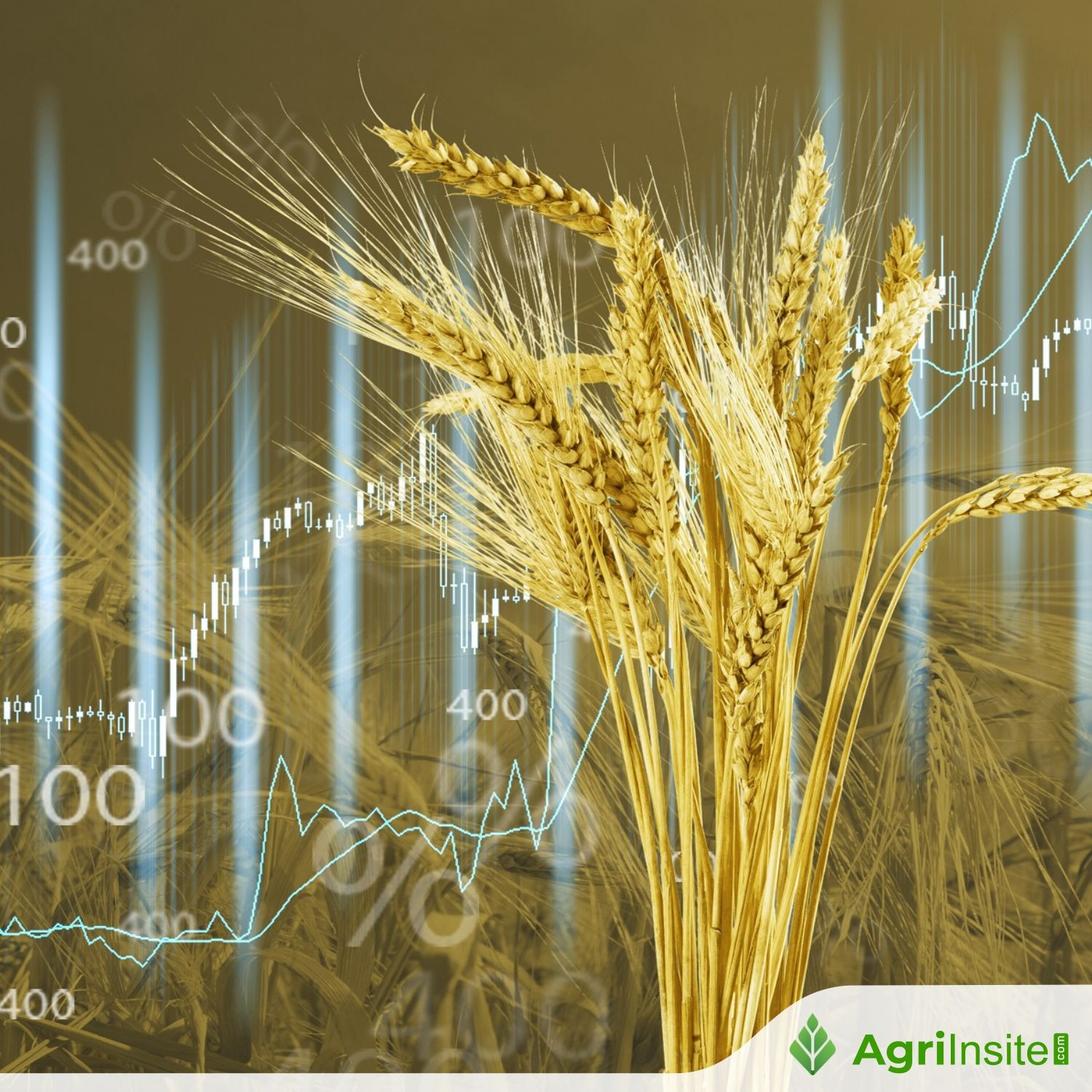
Wheat futures have rallied in the past week as the world wheat crop comes under threat from both adverse weather and fertilizer shortages.
To Read more about Wheat News continue reading Agriinsite.com
Source : The Western Producer