Sri Lanka’s rice production poised for recovery amid lingering climate and global supply hurdles – USDA

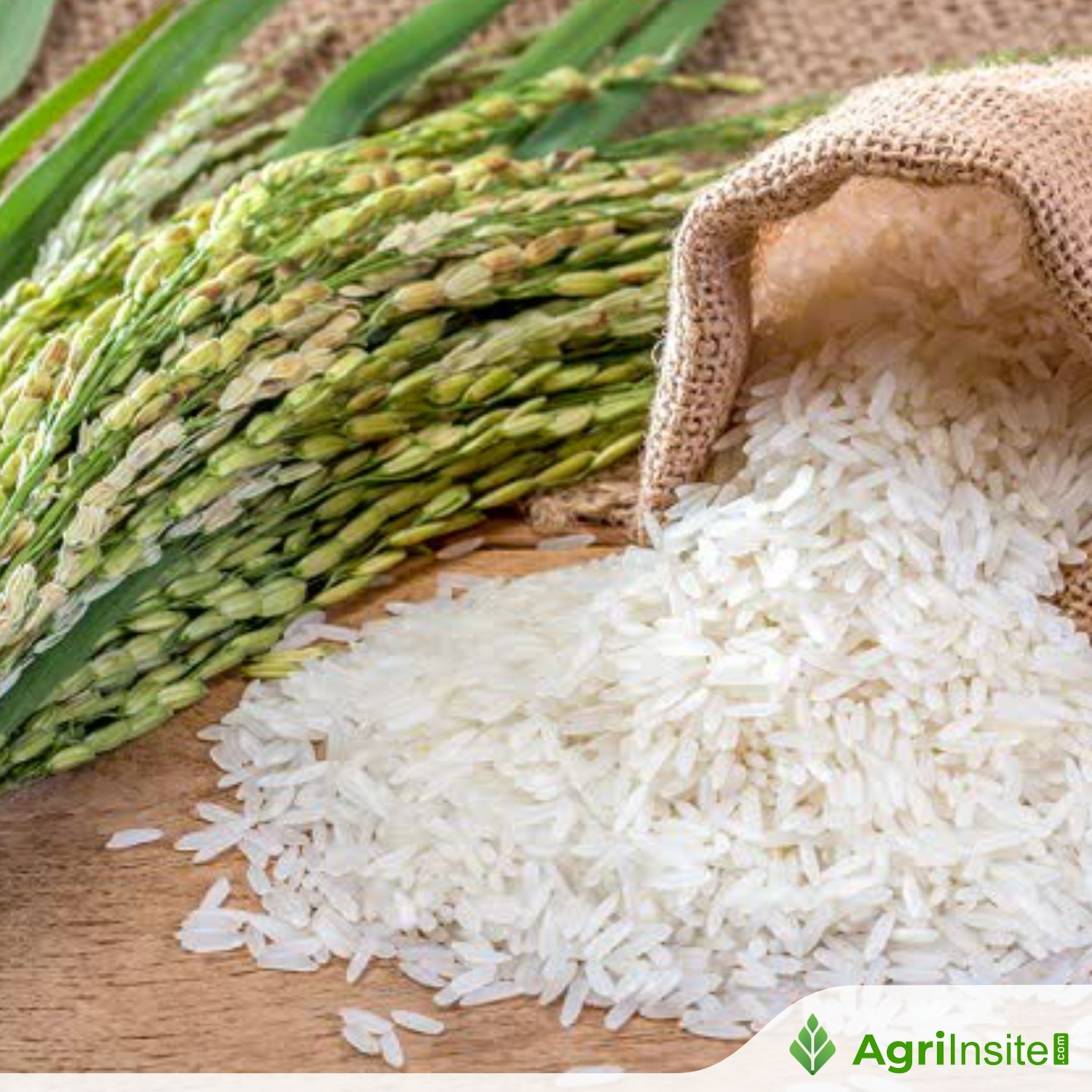
Sri Lanka’s rice production is forecast to recover to 3.45 million tonnes in 2026/27, driven by higher acreage and stable yields. Economic stabilisation and government support aid recovery, though fertilizer costs and fuel constraints pose risks. Improved output is expected to reduce imports while consumption continues to rise steadily.
Sri Lanka’s rice industry is charting a path to recovery. For the upcoming 2026/2027 marketing year (October–September), milled rice production is forecast to reach 3.45 million metric tons, representing a solid rebound from the revised estimate of 3.25 million metric tons recorded during the 2025/2026 period, according to According to latest report published by the United States Department of Agriculture (USDA) Foreign Agricultural Service.
The report notes, “This comes from a higher planted area of 1.19 million hectares, with yields expected to be steady at 4.26 metric tons (MT)/hectare (rough rice)”. This anticipated growth is supported by a broader economic stabilisation, bolstered by a US$ 2.9 billion Extended Fund Facility from the International Monetary Fund alongside increased tourism and remittance earnings. Highlighting the impact of this financial backing, the report states, “This provides the foreign currency liquidity to import agricultural inputs and fuel that have been curtailed since mid-2022”.
The recent production slump was largely the result of Cyclone Ditwah, which struck the island in late November 2025, bringing torrential rains and strong winds. “An estimated 60,863 ha of paddy cultivated area was damaged with submerged or waterlogged fields,” the report stated, noting the severe impact on the critical Maha season. In response to the crisis, the government swiftly intervened by offering compensation of Rs. 25,000 per hectare, capped at a maximum of two hectares, while encouraging affected farmers to replant their destroyed crops.
Looking ahead to the Yala 2026 season, authorities are continuing to support the sector through direct cash transfers to farmers’ bank accounts, providing a fertiliser subsidy of Rs. 25,000 per hectare for paddy cultivation alongside the provision of free irrigation water through state canal systems.
Despite domestic recovery efforts, Sri Lanka’s agricultural supply chain faces renewed pressure from global geopolitical tensions. The report highlights that “recent reports indicate that fertilizer prices are rising in response to disruptions in the Middle East,” which may lead farmers to limit application rates or substitute imported products for local alternatives. Currently, a 50-kilogram bag of Urea and MOP each costs Rs. 9,000, while TSP is priced at Rs. 12,000.
Furthermore, the conflict prompted the government to reintroduce a QR code-based fuel rationing system in March 2026, raising concerns that fuel allocations for some agricultural equipment may be insufficient for harvesting operations.
On the consumption front, the national appetite for rice remains robust, with total consumption forecast to edge up to 3.49 million metric tons in the 2026/2027 period. “Rice remains a mainstay in Sri Lanka’s diet and lifestyle, and at least two of every three daily meals consist of rice and curry,” the USDA report observes.
This modest climb in consumption is driven by stabilizing prices and recovering local production, translating to an expected per capita consumption of 107 kilograms annually. While rice serves as the staple food for the vast majority of the population and contributes approximately 45 percent of total daily calories, persistently high poverty rates continue to force many vulnerable households to compromise on meal quality and frequency.
Trade dynamics are shifting in tandem with the domestic production recovery, leading to a projected decline in imports. Rice imports for the 2026/2027 period are forecast at 100,000 metric tons, a drop of 50,000 metric tons from the previous year.
The report explains, “This is attributed to the country’s rice production increasing with the renewed use of imported chemical fertilizers and the application of best agricultural practices”. Notably, the crop damage from Cyclone Ditwah did not trigger a massive surge in imports, as the country managed to maintain sufficient stock levels.
Conversely, Sri Lanka’s rice exports are expected to remain marginal at roughly 10,000 metric tons. These outbound shipments are predominantly destined for markets with large Sri Lankan expatriate communities, because “due to years of protection, Sri Lanka does not produce export competitive, globally traded rice grades like in East Asia”.
To Read more about Rice News continue reading Agriinsite.com
Source : Daily Mirror Online