Kenya expands oilseed farming to reduce dependence on imports

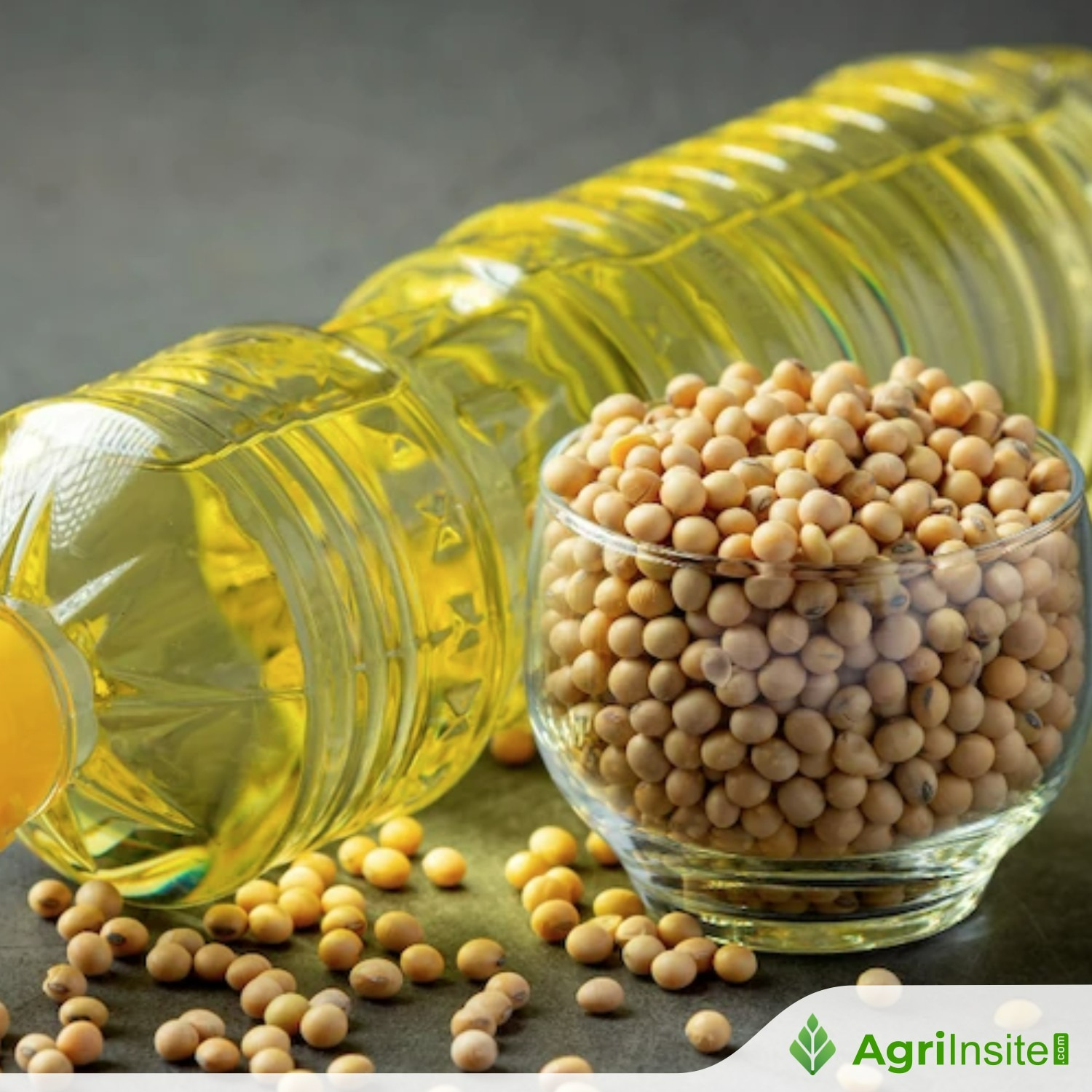
Kenya is promoting sunflower and soybean cultivation to reduce dependence on imported edible oils, which meet over 90% of domestic demand. The government is encouraging scientific farming, improved seed varieties and youth participation to strengthen food security, cut import costs and create agricultural jobs.
The Kenyan government is stepping up efforts to promote oilseed cultivation, including sunflower and soybean, as part of a broader strategy to reduce reliance on imported edible oils. The initiative also aims to boost agricultural productivity and encourage youth participation in farming.
The country consumes about 600,000 tonnes of edible oils annually, with more than 90–95% of this demand met through imports. According to government estimates, spending on food imports, including oils, wheat, and rice, exceeded KSh 500 billion in 2022 alone.
Speaking at the opening of the Kilimo Biashara Expo 2026 in Thika, Agriculture Cabinet Secretary Mutahi Kagwe said the government is focusing on integrating scientific research into practical farming. He noted that modern technologies and improved crop varieties are expected to increase yields and make agriculture more profitable, especially for young people.
Researchers at KALRO say sunflower and soybean are key crops for reducing edible oil imports. Scientists have already developed improved varieties that are better adapted to local climatic conditions and capable of delivering higher yields under large-scale production.
Kenyan authorities view the expansion of oilseed farming as part of a broader import substitution and food security strategy. Increased domestic production is expected to reduce foreign exchange spending, create jobs, and lower dependence on global markets.
To Read more about Edible Oil News continue reading Agriinsite.com
Source : Ukr Agro Consult