Chhattisgarh producing only one-third of planned ethanol capacity despite major investment push

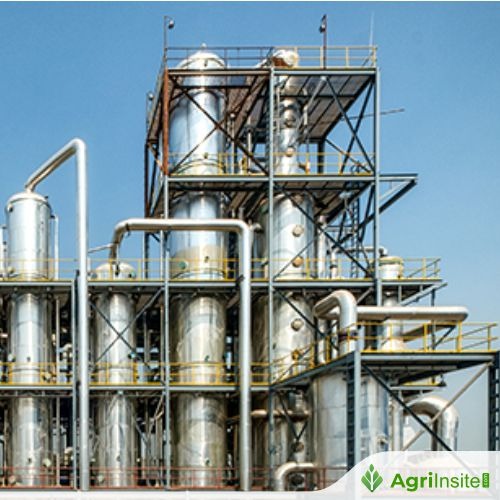
Chhattisgarh is producing only 33 crore litres of ethanol annually against its planned 100 crore litres target, with just four operational plants out of 29 proposed projects. High raw material costs slowed expansion, though the state retains strong potential to support India’s ethanol blending programme.
Raipur: As India intensifies efforts to expand ethanol use and reduce dependence on imported fuels, Chhattisgarh’s ambitious plan to emerge as a major ethanol-producing state remains only partially realised. Six years after signing investment agreements worth ₹5,000 crore, the state is currently producing just one-third of its originally planned ethanol capacity.
The growing importance of ethanol has come into sharper focus amid concerns over global energy security and rising fuel costs. Ethanol is increasingly being viewed as a viable alternative to petrol, with countries such as Brazil successfully integrating the biofuel into their transportation systems for decades, Brazil reported.
Seeking to capitalise on the opportunity, the Chhattisgarh government signed memorandums of understanding with 29 companies in 2020 to establish ethanol production units capable of producing 100 crore litres annually. However, progress on the ground has been slower than expected.
An assessment of the project reveals that only six of the proposed companies have started production. Of these, two plants have already ceased operations due to high raw material costs, leaving only four ethanol facilities currently operational.
The functioning plants are collectively producing around 33 crore litres of ethanol annually. While this output is sufficient to meet the state’s requirements and supply approximately 7 crore litres to other states, it remains significantly below the original target of 100 crore litres per year.
Industry estimates indicate that Chhattisgarh still has the potential to add nearly 65 crore litres of annual production if all the planned projects become operational.
The state currently consumes about 36.35 lakh litres of petrol every day. Under India’s ethanol blending programme, oil marketing companies purchase ethanol and blend it with petrol at a rate of up to 20 percent. Had all 29 projects been implemented as planned, Chhattisgarh could have emerged as a major supplier to the national ethanol blending programme.
The proposed ethanol plants were planned across several districts, including Bemetara, Raipur, Durg, Mungeli, Jagdalpur, Janjgir-Champa, Kabirdham, Mahasamund, Raigarh, Surguja and Bilaspur.
Supporters of the programme argue that ethanol offers significant advantages by reducing dependence on imported crude oil. Produced domestically from sugarcane, maize and surplus or damaged grains, ethanol helps conserve foreign exchange while supporting rural industries and agricultural value chains.
According to industry representatives, ethanol blending not only reduces petroleum consumption but also strengthens India’s energy security by shifting a portion of fuel demand toward domestically produced alternatives.
Akhil Dhagat, President of the Chhattisgarh Petrol-Diesel Association, said expanding ethanol production remains one of the most effective ways to reduce dependence on petrol. He expressed confidence that additional ethanol plants would become operational in the coming years, helping increase domestic fuel production and support the country’s biofuel objectives.
Despite the slower-than-expected rollout, industry stakeholders believe Chhattisgarh still has significant potential to become a key contributor to India’s ethanol and bioenergy sector if the remaining projects are successfully implemented.
To Read more about Ethanol Industry & Bio Energy News continue reading Agriinsite.com
Source : ChiniMandi