Beyond area expansion: Why oil palm productivity will decide India’s edible oil future

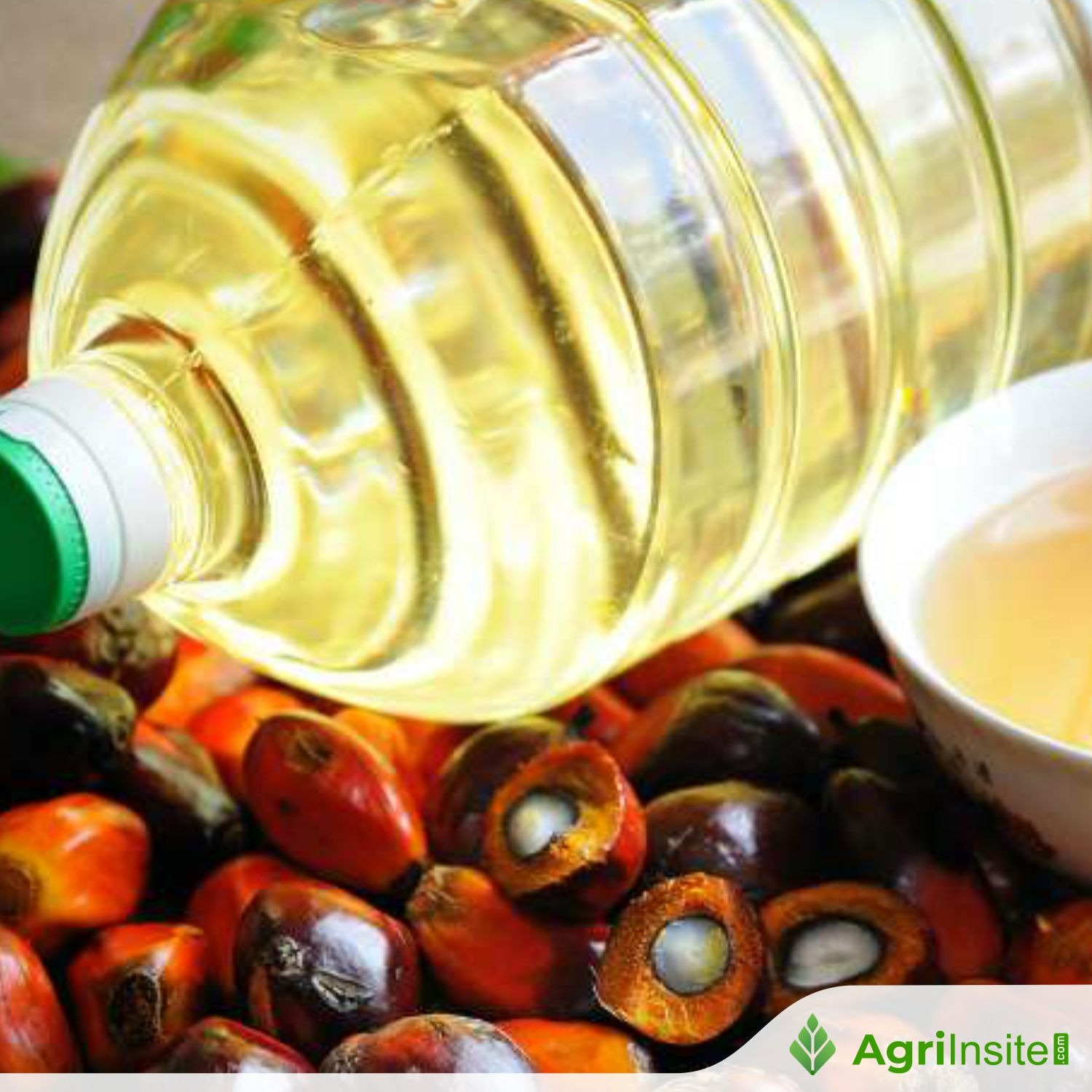
India is accelerating oil palm cultivation under the NMEO-OP mission to reduce edible oil imports. However, industry experts warn that long-term success depends not only on expanding acreage but also on improving productivity, sustainability, technical support and farmer confidence among smallholders.
India’s ambitious push toward oil palm cultivation has entered a decisive phase. The recent entry of several companies into oil palm plantation development across Andhra Pradesh, Telangana, the North-East and other states reflects both strategic intent and national urgency. At a time when India continues to remain heavily dependent on imported edible oils, especially palm oil, the sector carries enormous significance for the country’s long-term food and economic security.
Yet, despite policy momentum and substantial incentives under the National Mission on Edible Oils–Oil Palm (NMEO-OP), one uncomfortable reality continues to persist: expansion in acreage alone will not ensure success. The real challenge before India today is productivity, sustainability and farmer confidence.
Oil palm in India cannot be approached merely as another agricultural expansion programme or a conventional FMCG-linked sourcing business. It is a highly specialised, long-gestation, smallholder-driven agri-enterprise that demands sustained engagement, technical expertise, patient capital and deep farmer relationships over decades. The Indian model is fundamentally different from the estate-based plantation systems of Indonesia or Malaysia. Here, success depends almost entirely on the confidence, continuity and economic participation of lakhs of small and marginal farmers.
To Read more about Edible Oil News continue reading Agriinsite.com
Source : The Hindu Businessline