Zambia Eyes Record Maize Harvest, Boosting Regional Food Security

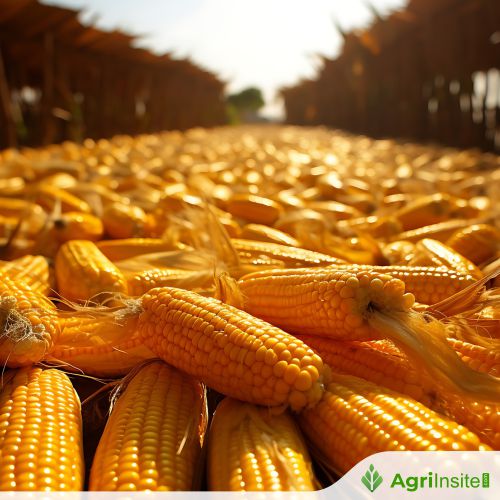
Zambia is forecast to harvest about 4.9 million metric tons of maize in 2025/26, among its largest crops on record. Strong rainfall and government support boosted production, creating exportable surpluses, easing domestic food prices and strengthening regional food security despite logistics and storage challenges.
Zambia is on course for one of its largest maize harvests on record, with the 2025/2026 farming season projected to yield approximately 4.9 million metric tons, raising expectations for lower food prices and expanded grain exports across southern Africa.
The country’s latest crop forecasting survey points to favorable rainfall, improved planting conditions and government-backed farming support programmes as the key drivers behind the exceptional output. The projected figure places the season among the strongest in Zambia’s agricultural history.
Production at that level would generate a substantial surplus beyond the country’s domestic consumption needs, positioning Zambia to scale up exports to neighboring countries still grappling with grain shortages. The Democratic Republic of the Congo, Zimbabwe and Malawi are expected to remain the most significant markets for Zambian maize.
The harvest carries particular weight in a region still recovering from severe drought conditions that previously disrupted crop yields and strained food supply chains across southern Africa. A strong Zambian output offers a measure of relief to food-stressed populations in those affected countries.
Domestically, analysts expect the surplus to ease pressure on mealie meal prices, a dietary staple for most Zambian households. Lower maize prices could also contribute to broader inflation relief at a time when rising living costs are squeezing household budgets.
The government is expected to use the strong season to build up national grain stockpiles through the Food Reserve Agency (FRA), reinforcing food security buffers ahead of potential future supply disruptions.
Despite the optimistic projections, analysts are flagging persistent structural challenges. Storage capacity constraints, transport logistics and post-harvest losses remain critical bottlenecks that could limit how much of the projected harvest actually reaches markets efficiently, both within Zambia and abroad.
Economists argue that the country’s ability to sustain bumper harvests over the long term will depend on continued investment in irrigation systems, climate-resilient farming techniques and agricultural infrastructure as climate variability across the region intensifies.
The projected output further cements Zambia’s standing as one of the region’s most reliable maize producers and a growing force in Africa’s expanding intra-continental food trade.
To Read more about Maize News continue reading Agriinsite.com
Source : News Ghana