Indonesia leads ASEAN rice production, ranks fourth globally: Govt

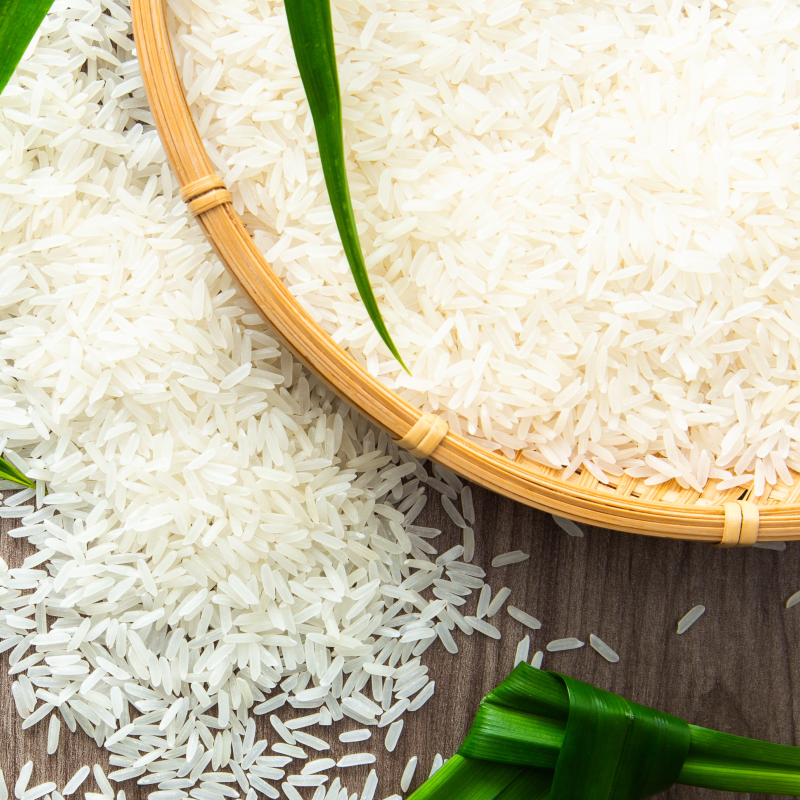
Indonesia has been recognized by the FAO as Southeast Asia’s largest rice producer and the world’s fourth largest in 2025. Rice output is projected to rise by over 4 million tonnes, while stocks remain strong, reducing import needs and supporting prospects for future rice exports.
The Food and Agriculture Organization (FAO) announced Indonesia as the largest rice producer in Southeast Asia, and fourth in the world, as informed by the National Food Agency (Bapanas).
At the global level, Indonesia ranked fourth behind India, China, and Bangladesh in 2025.
“The FAO has ranked Indonesia as the largest rice producer in Southeast Asia and the fourth highest in the world after India, China, and Bangladesh,” Head of Bapanas Andi Amran Sulaiman said in a statement on Saturday.
He added that of the world’s top four, only China and Indonesia are projected to experience positive growth in rice production.
Meanwhile, comparing the estimated rice production for the 2025/2026 period with the 2024/2025 period, Indonesia experienced the highest production increase among the world’s major producing countries.
Sulaiman stated that Indonesia’s rice production is estimated to increase to more than 4 million tons, far surpassing India’s 1.7 million tons, Brazil’s 1.5 million tons, and Bangladesh’s 1.1 million tons.
According to him, the FAO has once again acknowledged the progress of Indonesia’s rice industry. The organization reported not only an increase in rice output but also higher stock levels and stable prices for farmers.
In the June 2026 edition of its Food Outlook, the FAO reported that the increase in rice stocks in Indonesia is one of the factors in maintaining global rice reserves.
The food organization also estimates that global rice stocks by the end of 2026/2027 could reach 213.8 million tons, the second highest record in the last 10 years.
Sulaiman also confirmed that the national government rice reserve stock (CBP), managed by the State Logistics Agency (Bulog), remains at more than 5 million tons. Thus, the country is no longer needing rice imports.
On rice reserves, the FAO’s June 2026 Food Outlook projects Indonesia’s closing stocks at 7.5 million tons in the 2025/2026 period, rising further to 7.8 million tons in 2026/2027. These figures strengthen the country’s prospects of becoming a rice-exporting nation.
“Furthermore, rice is no longer the main contributor to inflation. This has been the case for two consecutive years,” Sulaiman added.
He conveyed that rice inflation has remained under control. Although it rose to 1.35 percent in July 2025, the rate eased to 0.38 percent in May 2026.
Although rice inflation has remained relatively low, Indonesian farmers have continued to enjoy favorable producer prices. In its latest report, the FAO stated that stable producer prices in several countries have encouraged farmers to choose rice over other crops.
The agency identified Indonesia, South Korea, Pakistan, and the Philippines as examples of this trend. While these favorable conditions have helped boost harvests, the FAO also reported declining rice production in countries such as Cambodia, India, Myanmar, Nepal, Sri Lanka, and Thailand.
The Indonesian rice farmer price index, according to data from Statistics Indonesia (BPS), reflects a progressive trend with the price index received by rice farmers in May 2026 was 147.97, the highest in the past seven years.
Similarly, the Farmer Exchange Rate (NTP) index for Food Crops stood at 113.79 in May, the highest in 2026.
To Read more about Rice News continue reading Agriinsite.com
Source : Antara