Brazil’s smallest wheat area in nine years raises import dependence

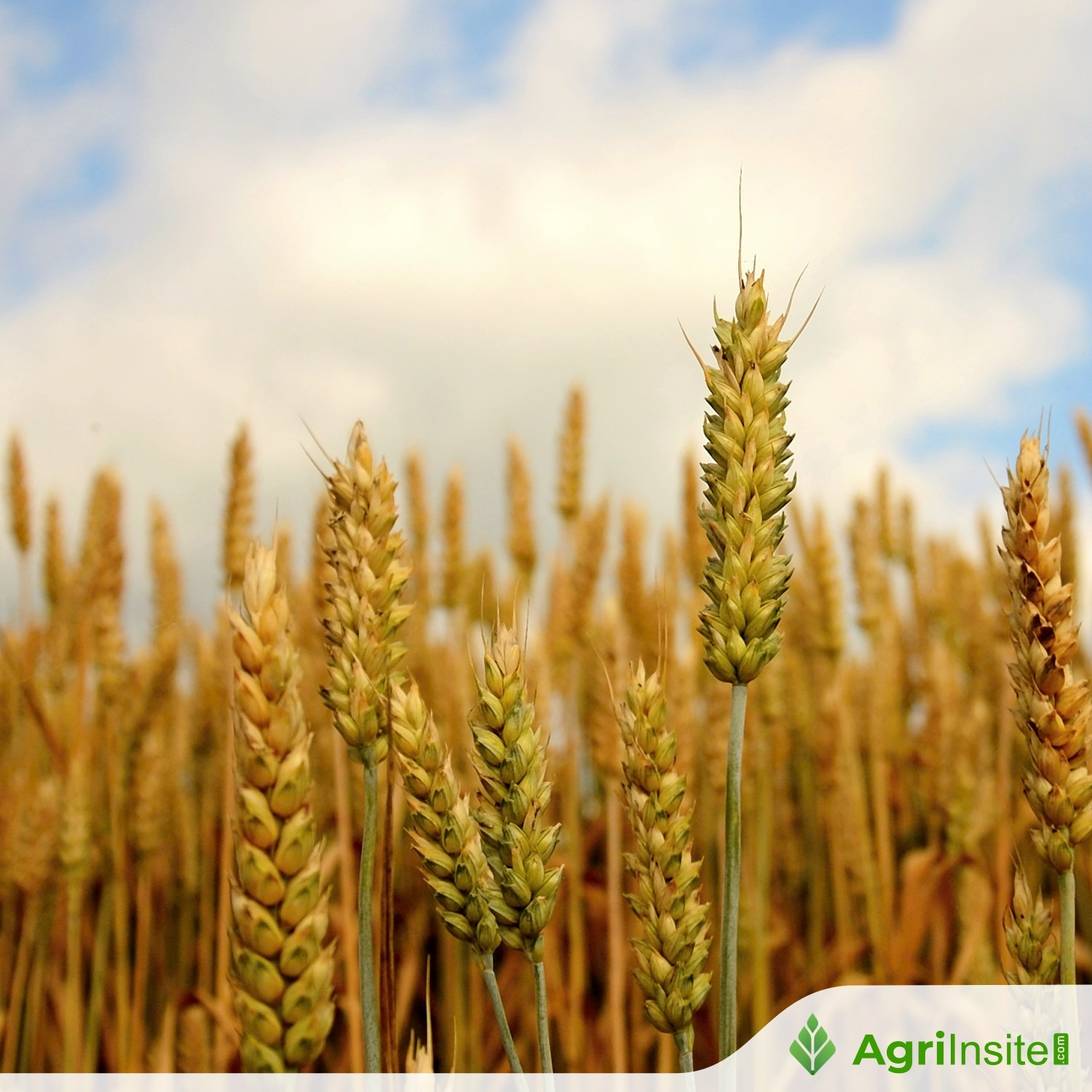
Brazil’s wheat area in 2026 has fallen to its lowest level since 2017, with production projected at 5.8 million tonnes. The resulting supply gap could push imports to 7.1–7.5 million tonnes in 2026/27, potentially making Brazil the world’s fourth-largest wheat importer and increasing exposure to global prices and currency movements.
The area planted with wheat in Brazil in 2026 is the smallest since 2017, according to a survey by Cepea. Combined with expectations for lower output, the reduction is expected to increase Brazil’s dependence on the international market in the 2026/27 season.
The scenario is significant because wheat is one of the most important agricultural products in the Brazilian food basket. It is used directly in the flour that goes into bread, pasta, cookies, cakes and a wide range of processed foods.
In other words, a shift that begins in the field can eventually reach bakeries, supermarkets and household budgets.
Less wheat grown at home, more wheat from abroad
Brazil’s crop agency Conab estimates domestic wheat production at about 5.8 million metric tons in 2026, a sharp decline from the previous harvest. Planted area has also fallen, reflecting weaker producer interest amid market conditions and weather uncertainty.
At the same time, Brazil’s import needs are rising.
For the 2026/27 season, Cepea cites projections from the U.S. Department of Agriculture indicating that Brazil could import 7.5 million metric tons of wheat between October 2026 and September 2027. Under that scenario, the country could become the world’s fourth-largest wheat importer.
Conab’s own estimate is close to that level, at 7.1 million metric tons for the season. That would be the highest volume since 2006/07, according to the latest projections released this month.
What could this mean for bread prices?
It is important to avoid an automatic conclusion: lower Brazilian wheat production does not mean bread prices will immediately rise.
The price paid by consumers depends on several factors, including wheat costs, exchange rates, freight, energy, milling, packaging, labor, taxes and margins across the supply chain.
But greater dependence on imports increases Brazil’s exposure to swings in international markets.
If wheat prices rise abroad or the Brazilian real weakens against the dollar, for example, replacement costs for Brazilian mills may increase.
That impact tends to appear first in the industrial chain and, depending on the intensity and duration of the movement, may eventually reach products made with flour.
A question that goes beyond prices
The central issue is that Brazil is not self-sufficient in wheat.
Historically, the country has needed to import a significant share of the grain it consumes. Domestic production therefore acts as a first layer of protection: the larger the local supply, the smaller the need to rely on the international market.
When domestic production falls, dependence increases.
That is where geopolitics enters the equation.
Argentina remains a key supplier
Brazil has a strategic advantage as a Mercosur member, especially because of its proximity to Argentina, traditionally its main wheat supplier.
USDA data show that, in the first half of 2026, about 73% of Brazilian wheat imports came from Argentina. Paraguay followed with 14%, while Uruguay accounted for 6%.
That concentration has an economic explanation: geographic proximity, lower logistics costs and established trade ties among the countries.
But it also means that problems in Argentina’s production — such as adverse weather, lower yields or changes in export conditions — can directly affect the Brazilian market.
In the first half of 2026, wheat and rye imports fell 42.9% compared with the same period a year earlier. The chart below shows the main ports that received the cargo during the period:
Russia and other suppliers gain ground
As import needs grow, Brazil has also been diversifying its suppliers.
Russia, for example, has gained space in Brazil’s wheat market in recent years. Other countries may also take part in supplying Brazil, depending on price, quality, logistics and commercial terms.
Diversification can be positive because it reduces dependence on a single supplier.
At the same time, it increases Brazil’s exposure to events far from home: wars, economic sanctions, export restrictions, weather problems, freight costs and currency swings.
Wheat is therefore a clear example of how an agricultural commodity can connect Brazilian farms directly to global geopolitics.
From Brazilian farms to supermarkets
For consumers, the discussion may seem distant, but it is present in everyday products.
A rise in wheat costs can pressure expenses for bakeries and producers of pasta, cookies, cakes and other processed foods.
The opposite is also possible. If global supply increases, international prices fall and the exchange rate favors the real, imports can help contain costs even when domestic production is lower.
For that reason, it is not possible at this point to say that Brazil’s smaller wheat area alone will push up bread prices.
What the data show is that Brazil will be more exposed to the behavior of the international market in the next season.
The challenge for Brazilian growers
The reduction in planted area also raises a strategic issue for Brazilian agribusiness itself.
Wheat competes for land with other crops and must offer growers an attractive combination of price, productivity, risk and profitability.
If farmers find better conditions in other crops, they may reduce wheat acreage. The result is smaller domestic supply and, consequently, a greater need for imports.
Expanding domestic production over the long term, therefore, is not simply a matter of planting more area. It requires improvements in productivity, genetics, crop management, climate adaptation, profitability and market predictability.
A market to watch
The outlook for the 2026/27 crop puts wheat on the radar of growers, mills, food companies and consumers.
Brazil will continue producing wheat, but it is likely to need an even larger share of the international market to complete its supply.
That turns what may appear to be an agricultural issue into a matter of food security, inflation, foreign trade and economic strategy.
For Brazilian consumers, the discussion may show up in a very simple way: in the price of flour, bread, pasta and cookies.
To Read more about Wheat News continue reading Agriinsite.com
Source : Datamar News