Egypt sets dual wheat records in both domestic procurement and imports

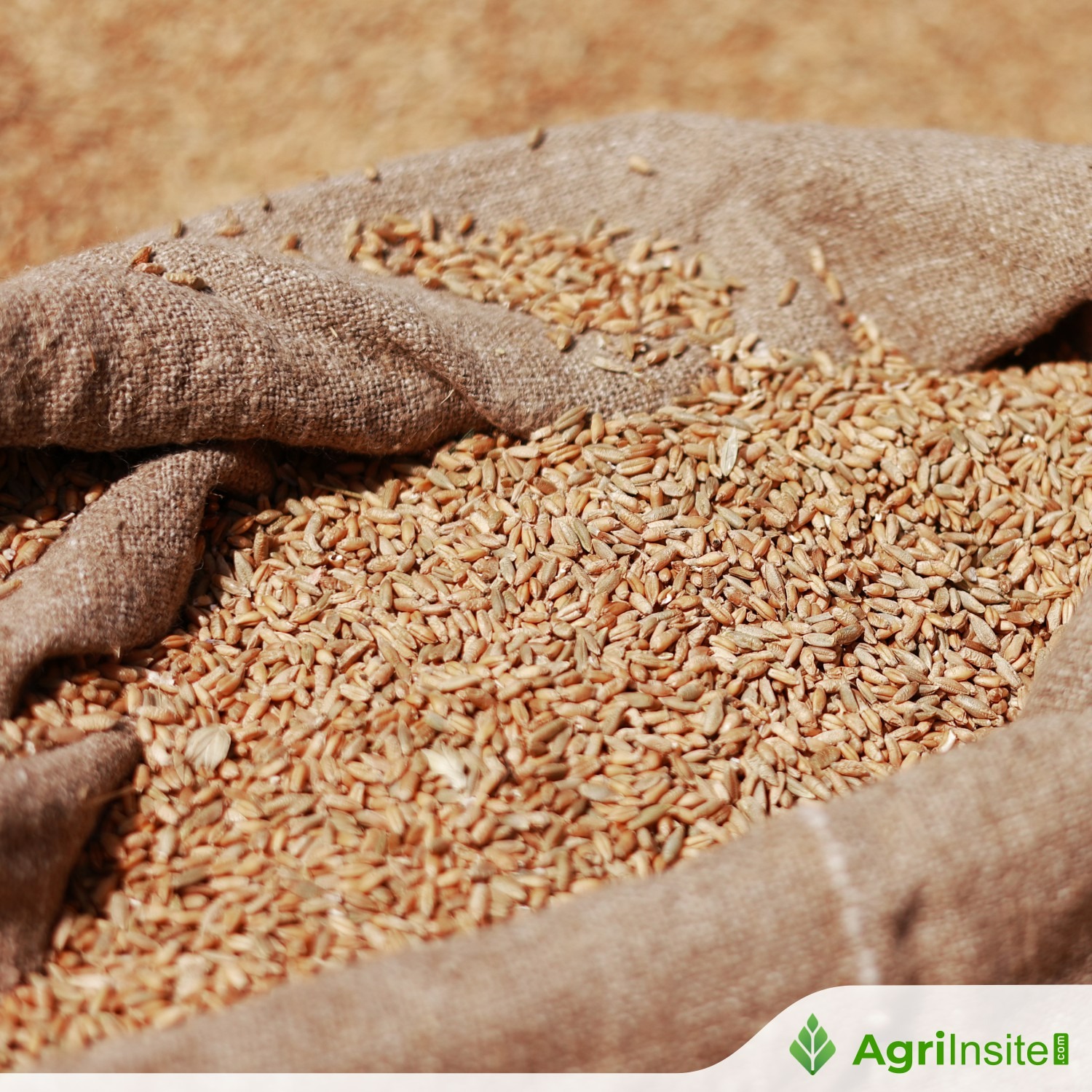
Egypt achieved record wheat procurement of over 4.6 million tonnes and imports of 7.1 million tonnes in January–May 2026. Driven by food security concerns, higher procurement prices, and geopolitical risks, the surge boosts inventories but does not reduce the country’s dependence on imports.
Egypt is simultaneously breaking two records in the 2026 wheat season, achieving historic highs in both domestic procurement and imports. Since mid-April, the government has collected more than 4.6 million tonnes of local wheat, already surpassing last season’s full-year total of 3.9 million tonnes, with around two months still remaining in the procurement window.
The initial government target of 5 million tonnes, which many market participants considered ambitious, now appears well within reach. At the same time, imports have also surged to record levels, reaching 7.1 million tonnes between January and May 2026, up 65% compared with the same period last year and marking the highest volume for this five-month window.
Analysts attribute this parallel surge to a combination of precautionary buying and structural pressures. Rising global wheat prices, pressure on the Egyptian pound, and geopolitical risks have encouraged both state and private buyers to accelerate purchases and build inventories, reflecting crisis-driven pre-positioning rather than routine procurement behavior.
Pricing policy has also played a key role. The government raised domestic procurement prices for farmers to around $313–327 per tonne, in some cases above prevailing international levels. This encouraged strong farmer participation and boosted harvested area to 3.7 million feddans, supporting the record procurement pace.
However, some analysts argue that the premium paid for local wheat has significantly increased fiscal costs, potentially adding billions of Egyptian pounds to the state budget. Others note that the price differential also reflects compensation for higher logistics costs and geopolitical risks affecting both domestic transport and imported grain shipments.
Despite record domestic procurement and imports, Egypt’s structural wheat balance remains unchanged. Annual consumption stands at roughly 20 million tonnes, far exceeding domestic production. As a result, even this year’s exceptional performance does not reduce reliance on imports but instead reinforces the government’s strategy of prioritizing food security over cost optimization.
To Read more about Wheat News continue reading Agriinsite.com
Source : Ukr Agro Consult