Pakistan Asks Indonesia to Ease Export Levy on Palm Oil

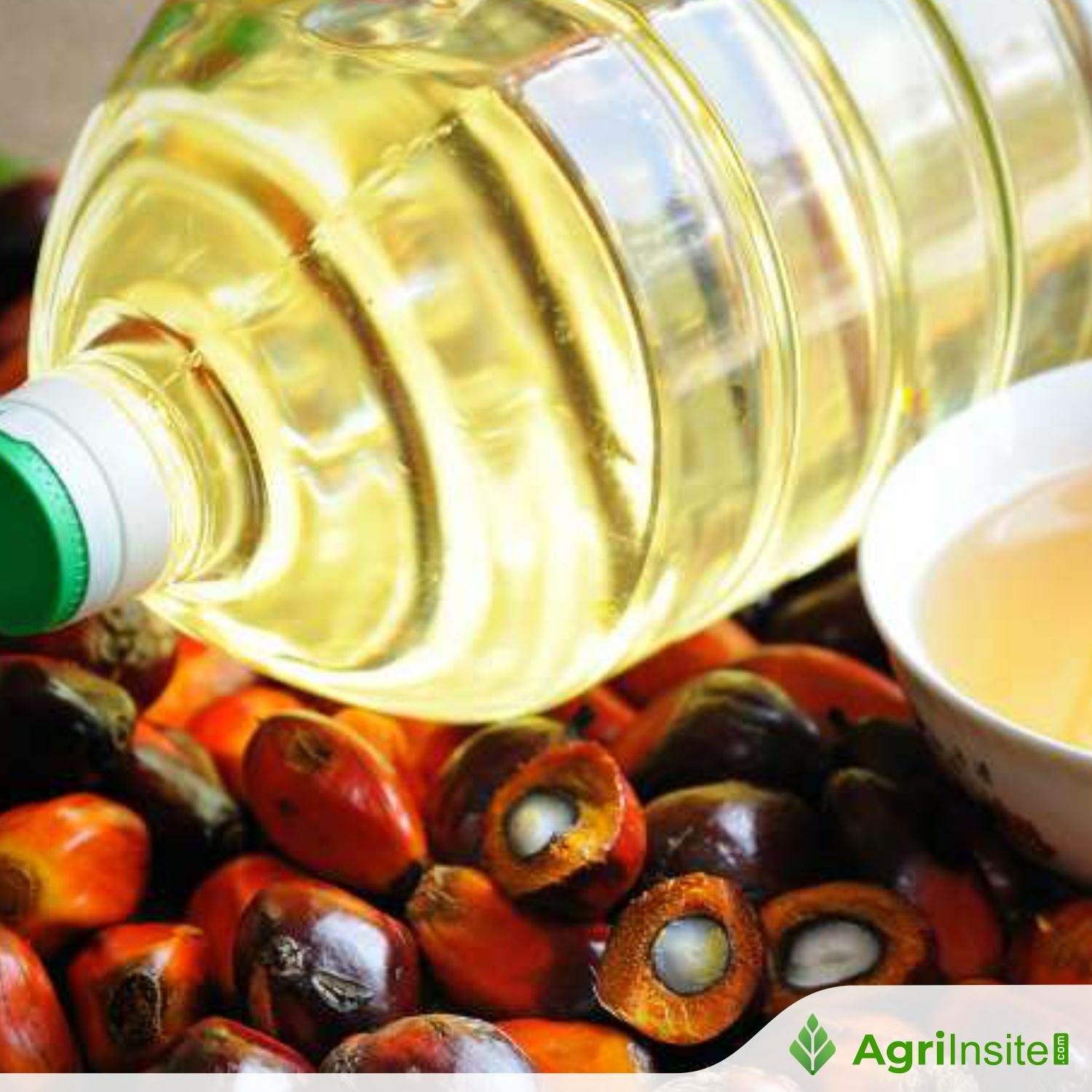
Pakistan has urged Indonesia to reduce crude palm oil export levies to support domestic refining and regional exports. Islamabad is also exploring a palm oil refinery joint venture, while both countries aim to upgrade their trade pact to a CEPA by 2027.
Pakistan has asked Indonesia to ease export levy on crude palm oil (CPO), according to a diplomat, as Islamabad eyes becoming a trading hub for the strategic agrifood commodity.
Palm oil makes up a huge bulk of what Indonesia sells to Pakistan. The South Asian economy is open to refining Indonesian CPO — the edible oil found in many supermarket goods — in its country. This will enable Islamabad to export the refined palm oil products to neighboring nations, according to Pakistani Ambassador to Indonesia Zahid Hafeez Chaudhri. But Islamabad needs a lower export levy to cut costs.
“We have requested the Indonesian government to ease the export levy on CPO,” Zahid told reporters in Jakarta on Friday.
“If we refine Indonesian CPO in Pakistan and sell them to our domestic and other markets in the region, it will be a mutually beneficial relationship.”
Under current regulations, Indonesia’s export levy for CPO shipments stands at almost $129 per metric ton. This is equivalent to 12.5% of the CPO reference price of $1,029.51 for each metric ton. The benchmark price brings the export duty to $148 a metric ton. The money collected from export levies mainly goes into bankrolling the nationwide biodiesel.
Zahid also said that Pakistan would be open to setting up a joint venture for a palm oil refinery on its soil. However, the envoy’s plan coincides with Indonesia’s ambitions to move up the value chain. In other words, Indonesia wants to export finished goods made from its natural commodities, and CPO is no exception.
Asked whether Jakarta’s plan would undermine Pakistan’s trading hub dream, Zahid replied: “That’s the prerogative and the decision of the Indonesian government.”
The envoy gave a similar response to the question on Jakarta’s new policy of centralizing all its palm oil exports in one state agency, namely Danantara Sumberdaya Indonesia (DSI).
“Our annual Indonesian palm oil imports reach $4 billion. We want to support Indonesia’s economy and farmers. But we also believe all trade-related measures will be aimed at the mutual benefit of both countries,” Zahid said.
Indonesia reported that its trade with Pakistan totaled almost $4.3 billion in 2025. Overall export-import activities came in at nearly $1.2 billion from January to April 2026.
Jakarta and Islamabad already have a preferential trade agreement, which has “significantly reduced tariffs on palm oil”. The diplomat also sees the pact could provide a fertile ground for the joint venture plan.
He went on to say that work is underway to upgrade this deal to a comprehensive economic partnership agreement or CEPA-level by next year. This will likely clear the way for greater market access than the current tariff reductions.
To Read more about Edible Oil News continue reading Agriinsite.com
Source : JakartaGlobe.ID