Mexico’s rice production forecast to rise 4% in MY 2026-27; imports remain high

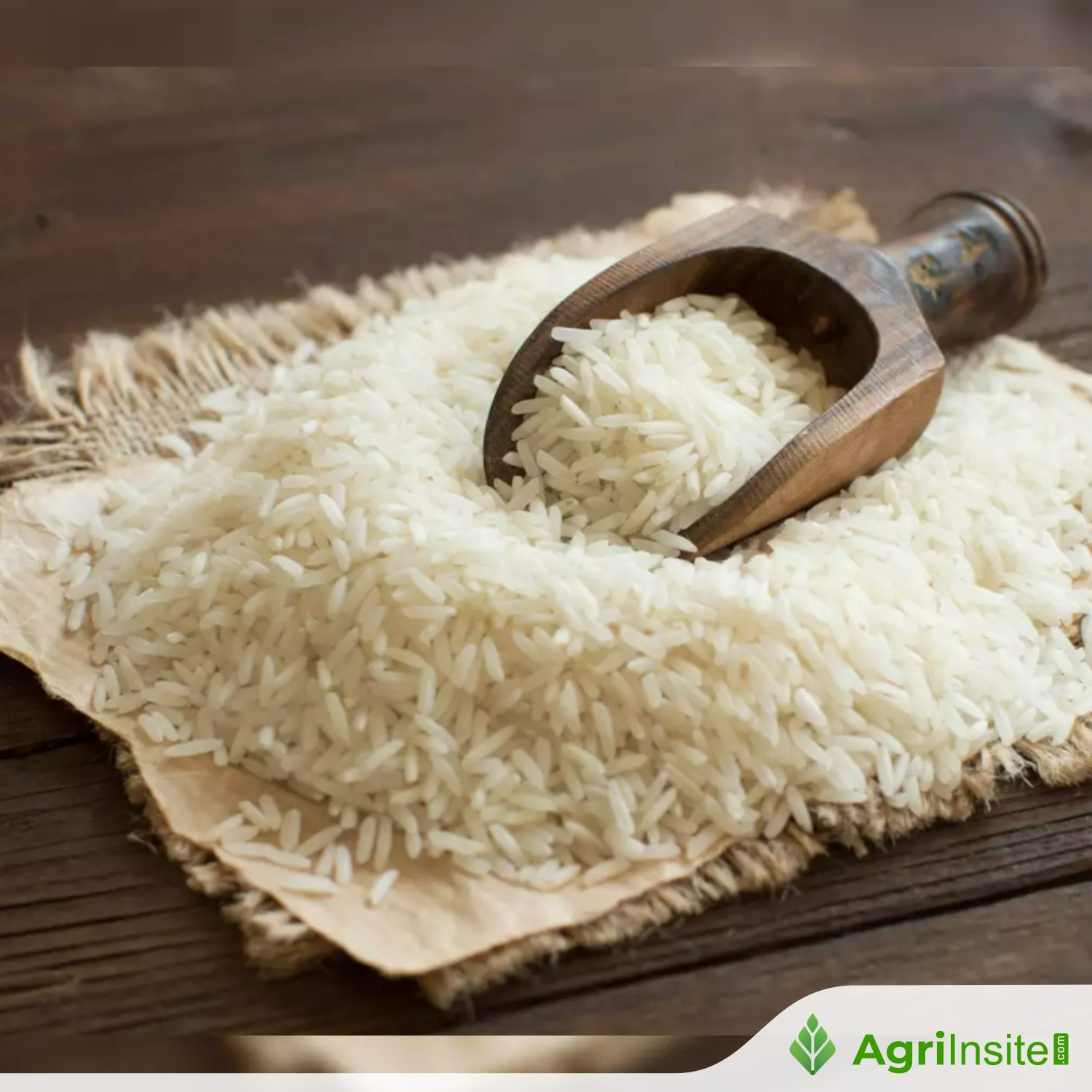
Mexico’s 2026-27 rice production is forecast to rise 4% to 279,000 tonnes as harvested area expands and financing improves. Despite government support, domestic output will meet only 15% of demand, keeping imports high at 830,000 tonnes amid growing consumption.
Mexico’s rice production is forecast to increase in marketing year (MY) 2026-27 (October-September), supported by higher harvested area and improved access to financing for producers. According to the United States Department of Agriculture (USDA) Foreign Agricultural Service (FAS), rough rice production is projected at 279,000 tonnes (t), equivalent to 192,000 t of milled rice, up from 268,000 t (184,000 t milled) estimated for MY 2025-26. Harvested area is expected to rise to 41,000 hectares (HA) from 39,000 HA a year earlier, while Mexico is expected to remain a net rice importer as domestic production continues to meet only around 15% of total consumption.
Production supported by higher planting intentions
Rice production in MY 2026-27 is forecast to increase by 4%, driven by a 5% expansion in harvested area. Farmers in Campeche, Mexico’s largest rice-producing state, are expected to increase planted area due to improved access to financing mechanisms and steady growth in domestic rice demand. For the spring/summer season, planting intentions are projected to rise 10% y-o-y to 30,000 HA, supported by stronger financial mechanisms and sustained domestic demand.
Rice production in Mexico mainly comprises medium-grain varieties, with limited cultivation of long-grain rice. As of early June, planting progress had reached 15% in Michoacn and Jalisco, and 10% in Campeche and Tabasco. Around 75% of the total planted area is sown between June and August, while nearly 60% of production is irrigated. Producers in Campeche, Jalisco, Tabasco, and Michoacn are expected to expand planting, whereas Nayarit and Colima are likely to maintain area, and Veracruz intends to reduce plantings.
Government support continues
Mexico’s 2026 Fair Trade programme has set a guaranteed purchase price of 9,080 pesos/t ($528/t) for producers cultivating up to 8 HA, with eligible sales capped at 80 t. Larger producers can sell up to 250 t at 8,260 pesos/t ($480/t), with the government subsidising the difference. The guaranteed price is reported to be 65% above the average farmgate price for medium-grain rice in Nayarit.
Farmers sell directly to mills, while the government compensates the difference between the mill purchase price and the guaranteed price. For the fall/winter season, planting intentions remain stable. State governments in Campeche and Nayarit are expected to continue supporting producers through loaned equipment, discounted certified seed, and technical assistance. Production during this season remains largely dependent on irrigation and reservoir water availability.
MY 2025-26 production revised higher
USDA FAS estimates MY 2025-26 rough rice production at 268,000 t, equivalent to 184,000 t of milled rice, representing a 12% increase over the previous year due to stronger demand for domestically produced rice. During the spring/summer season, the harvested area increased 18% to 27,212 HA, with production estimated at 164,131 t and average yields of 6.0 t/HA.
The spring/summer crop accounts for around 70% of annual rice production, with approximately 60% irrigated and 40% rainfed. During the fall/winter season, planted area declined 10% to 11,606 HA, mainly due to reductions in Michoacn and Campeche. However, Nayarit maintained planted area at 6,080 HA, with early yields reported at 8.0 t/HA for medium-grain rice and 9.5 t/HA for long-grain rice.
Southern Tamaulipas expanded planted area by 8% to 2,189 HA, while early harvest reports from Campeche indicated yields of 6.0 t/HA for medium-grain and 7.0 t/HA for long-grain rice. State governments supported producers through certified seed distribution, crop insurance, discounted loans, and technical assistance.
Imports remain essential
Rice imports in MY 2026-27 are forecast to increase 4% to 830,000 t, driven by consumption growth. Since domestic production remains well below total demand, imports are expected to continue supplying the majority of Mexico’s rice requirements. South American exporters have strengthened their position in the Mexican market, particularly in paddy rice, through competitive pricing and higher milling yields.
In milled rice, Uruguay has emerged as the leading supplier, followed by the United States and Brazil. Milled rice now accounts for roughly 25% of total rice imports, supported by demand from low-cost retailers and relatively weak international prices. For MY 2025-26, rice imports are estimated at 800,000 t, down 10% from the previous year as millers draw down stocks while consumption remains stable.
During October 2025-April 2026, Mexico imported 450,532 t of rice, with paddy rice accounting for 73% of imports and milled rice 27%. The United States supplied 39% of total imports, followed by Uruguay (36%) and Brazil (24%). Following the removal of paddy rice from the Anti-Inflation Package (PACIC), Mexico introduced a 200,000 t duty-free import quota for paddy rice from non-free trade agreement countries during calendar year 2026. Imports exceeding the quota are subject to a 9% most-favoured nation tariff, while imports from the United States and Canada continue to enter duty-free under the USMCA. The first quota auction was cancelled after only one bidder met the eligibility requirements, leaving the quota unallocated.
Consumption and stocks
Rice consumption in MY 2026-27 is forecast at 1.01 million tonnes (mnt), up 1% from the previous year, supported by population growth. According to Mexico’s National Population Council (CONAPO), the population is expected to reach 134.4 million in 2026, while per capita rice consumption remains stable at 6.5 kg per year. MY 2025-26 consumption is estimated at 1.0 mnt, with retail prices remaining broadly stable. Ending rice stocks are projected to decline to 82,000 t in MY 2026-27 from 100,000 t in MY 2025-26 as millers continue to draw down inventories. Rice stocks are primarily held by cooperative warehouses, millers, and government agencies.
To Read more about Rice News continue reading Agriinsite.com
Source : BIGMINT