Iraq makes first US rice purchase since November

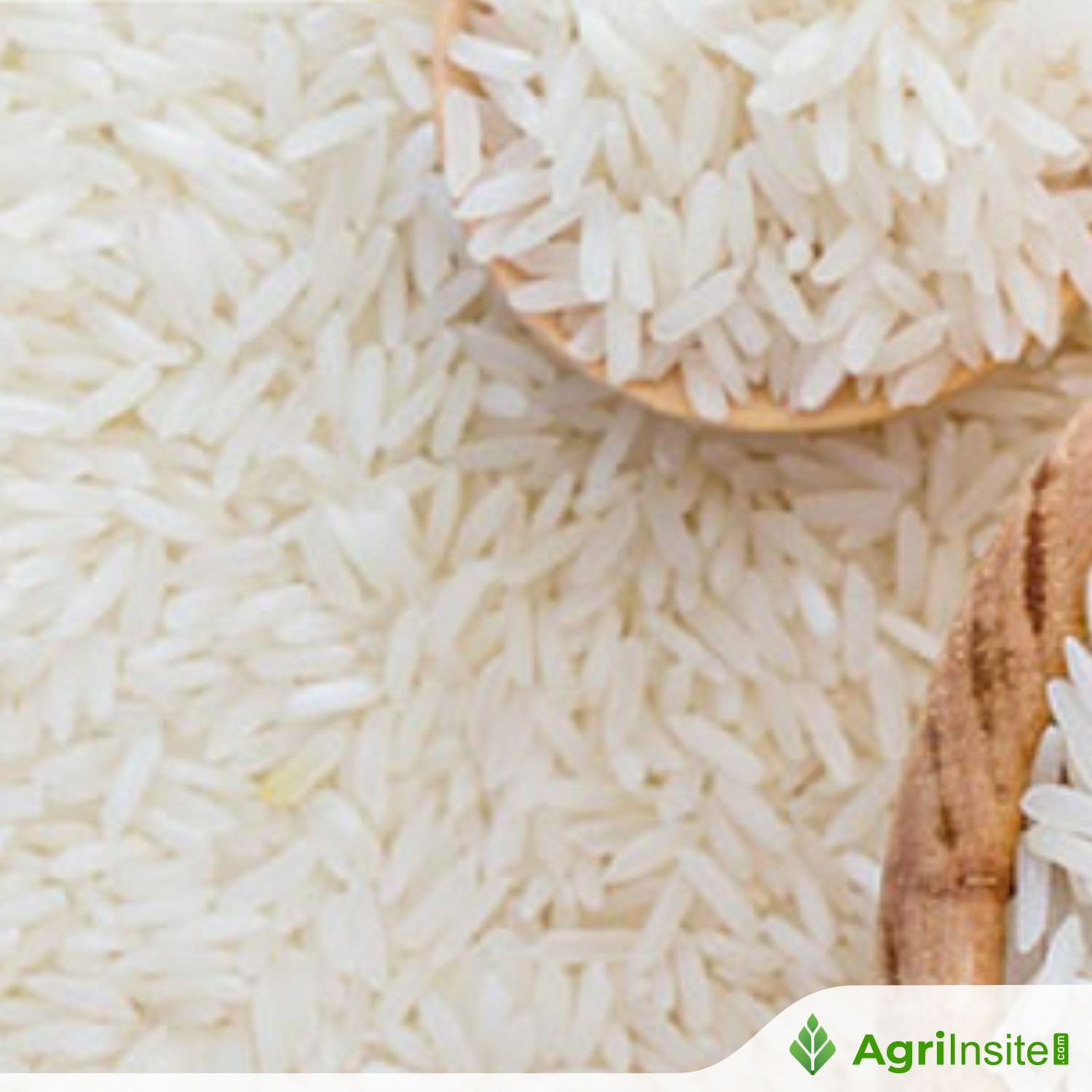
Iraq purchased 88,000 tonnes of U.S. long-grain milled rice from ADM Rice for September and November shipment, marking its first purchase since November. The deal supports U.S. rice farmers ahead of the 2026 harvest and strengthens Iraq’s food security through continued bilateral trade.
WASHINGTON, DC, US — Iraq has purchased two additional vessels of US long grain milled rice for loading in September and November, the first sale since last November, according to USA Rice.
Al Awees’ purchase of 88,000 tonnes of rice from ADM Rice provides a critical boost to the US market as the industry begins the 2026 harvest, USA Rice said.
Previous purchases by Al Awees, which were scheduled for shipment this January and March, were entangled in logistics delays due to the closure of the Strait of Hormuz.
The recent sale was made on the sidelines of a bilateral meeting between US President Donald Trump and Iraqi Prime Minister Ali al-Zaidi. Shareholders of Al Awees and other related businesses traveled here with the official delegation.
“These sales are a shot in the arm for our ailing industry,” said Peter Bachmann, president and chief executive officer of USA Rice. “This news should give rice farmers some hope for the market as they get into the 2026 harvest season. We are grateful for ADM and Al Awees honoring the terms of the MOU, despite facing so many challenges over the last three years. This support of the US rice farmer falls in line with President Trump’s announcement this week regarding investment in US businesses by Gulf nations.”
Iraq has limited domestic rice production and relies heavily on imported rice to meet consumer demand. Since the USA Rice–Al Awees agreement was established in 2021, it has helped provide a consistent framework for at least 200,000 tonnes of US rice purchases while supporting Iraq’s food security needs.
USA Rice said it continues to work with congressional and administration leadership seeking to resolve a yearslong financing challenge that would reduce exchange rate and other transaction fees on both parties.
To Read more about Rice News continue reading Agriinsite.com
Source : World-Grain.com