Pakistan : Risk of worsening wheat crisis flagged

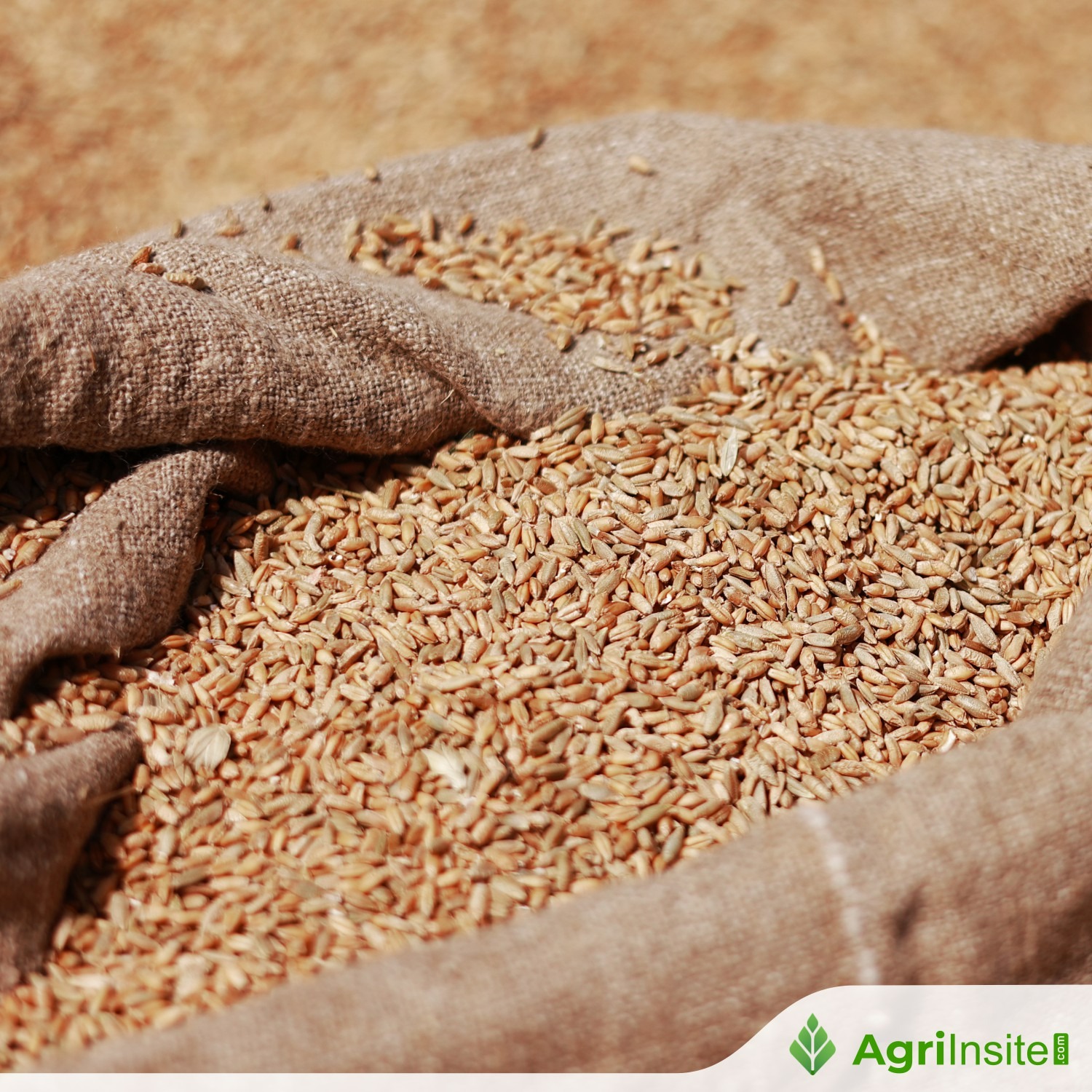
A former Pakistan Tobacco Board official warned Pakistan faces a worsening wheat crisis as climate change, declining production and widening supply deficits increase import dependence. He urged climate-smart agriculture, better water management and timely farm inputs to strengthen domestic wheat production and food security.
ISLAMABAD: Pakistan is facing the risk of a worsening wheat crisis as climate change, declining production and widening provincial supply gaps push the country closer to long-term dependence on imports, former Pakistan Tobacco Board Secretary Khan Faraz warned Friday.
In a policy note on the country’s wheat situation, Faraz described wheat as the “lifeblood” of Pakistan’s agricultural economy, stressing that the crop remains central to rural livelihoods, food security and economic stability.
He said wheat production generates employment and income for millions of farmers and agricultural labourers while serving as the backbone of the country’s agriculture sector. Although successive governments have supported wheat cultivation through planting campaigns, subsidies and support prices, emerging climate and resource challenges are undermining these gains.
Faraz pointed to Khyber Pakhtunkhwa’s growing wheat deficit as a clear indication of mounting pressure on domestic supplies. According to figures cited in his note, the province’s annual wheat requirement stands at 5.436 million metric tons, while local production in 2026 reached only 1.632 million metric tons, leaving a shortfall of 3.804 million metric tons.
He said the deficit has traditionally been bridged through purchases from other provinces, particularly Punjab.
However, concerns are now growing over Punjab’s own wheat availability. Reports indicate that the province is considering wheat imports as local stocks decline and wheat floor prices continue to rise. The Director General Food Commissioner has reportedly sought government approval to allow the private sector to import wheat to meet the remaining supply gap.
Faraz cautioned that these developments signal a worrying shift in Pakistan’s food security outlook, with even the country’s largest wheat-producing province facing supply constraints.
He urged the government to immediately prepare for the next wheat season by ensuring the timely availability of certified seeds, fertilizers and irrigation water. Early planning, he said, would be essential to mitigate the adverse impacts of recurring El Niño and La Niña weather patterns, which have increasingly disrupted agricultural production.
The former bureaucrat warned that Pakistan is gradually transforming from a net wheat exporter into a net importer as climate change, erratic weather conditions and rapid population growth outpace domestic production.
He emphasized that enhancing climate resilience in agriculture must become a national priority, calling for improved water management, expansion of water storage infrastructure and measures to prevent the loss of freshwater flowing into the sea.
Faraz also stressed the need for long-term policy reforms aimed at boosting wheat productivity, strengthening irrigation systems and ensuring sustainable food security in the face of growing environmental and demographic pressures.
He said without timely intervention, Pakistan could face greater dependence on costly wheat imports, exposing the country to international price volatility and placing additional pressure on foreign exchange reserves. Strengthening domestic production through climate-smart agriculture and efficient water use, he added, is essential to safeguarding the country’s food security and protecting rural livelihoods.
To Read more about Wheat News continue reading Agriinsite.com
Source : Business Recorder