Fiji : High labour costs drive cane burning, say farmers

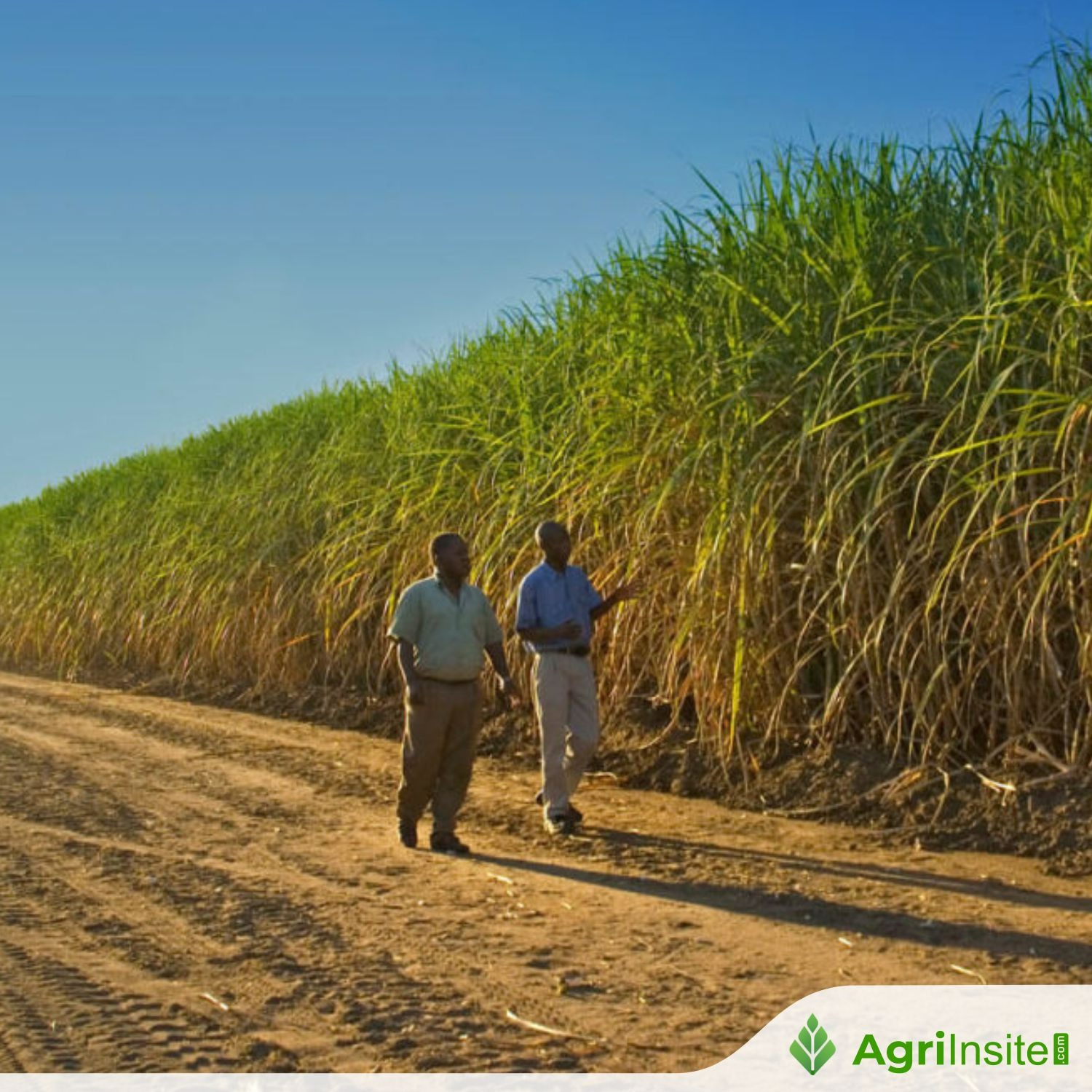
Fiji sugarcane farmers continue burning cane due to high labour costs and worker shortages, despite lower cane quality. The Fiji Sugar Corporation warned the practice reduces sugar recovery and milling efficiency, urging mechanisation, improved harvesting practices, grower support, and legislative changes to curb cane burning.
Some sugarcane farmers say the continued practice of burning cane is driven by high labour costs and a shortage of workers, despite its impact on cane quality.
Tilak Prakash, a farmer from Wailevu, Labasa, said growers are sometimes left with little choice because of limited access to labour.
Mr Prakash said hiring labourers was expensive and often resulted in overhead costs exceeding profits.
“This is the reason why some farmers prefer burnt cane, however burnt cane does not have good cane quality,” Mr Prakash said.
Another farmer, Naresh Sarwan, of Wailevu, Labasa, said many growers continued to burn cane because it was easier and less costly than hiring labourers and harvesters.
Mr Sarwan said the lack of affordable harvesting options continued to influence farmers’ decisions.
Meanwhile, the Fiji Sugar Corporation (FSC) has raised concerns over the continued practice, warning that it remains a major challenge affecting sugar recovery and milling efficiency.
According to the FSC Annual Report 2025, burnt cane remained an issue during the 2024 crushing season, with no significant reduction recorded over the past five years.
The report said burnt cane affected the quality of cane supplied to mills and contributed to reduced sugar recovery and operational inefficiencies.
In the Labasa Mill area, burnt cane received increased to 44 per cent in 2024, compared with 32 per cent in 2023. The Lautoka and Rarawai mill areas recorded even higher levels, at 61 per cent and 62 per cent, respectively.
FSC said the high percentage of burnt cane had a direct impact on milling operations, affecting cane quality and sugar recovery.
The corporation said legislative amendments to the Master Award were needed to address the continued practice of cane burning.
During the 2024 season, Labasa Mill processed 575,068 tonnes of cane, producing 57,993 tonnes of sugar and achieving a tonne cane-to-tonne sugar (TCTS) ratio of 9.9.
However, FSC reported that while cane quality indicators at Labasa Mill were favourable, burnt cane increased to 44.1 per cent, alongside higher levels of extraneous matter, which affected processing efficiency.
The issue of burnt cane remains a concern as FSC works to improve productivity and rebuild the sugar industry.
The corporation has outlined plans to strengthen cane production through improved farming practices, mechanisation and grower support initiatives.
FSC has also encouraged farmers to adopt better harvesting practices as it aims to improve cane quality and achieve its long-term production targets.
To Read more about Sugar Industry continue reading Agriinsite.com
Source : Fiji Sun