Drought fears drive up rice prices across south India

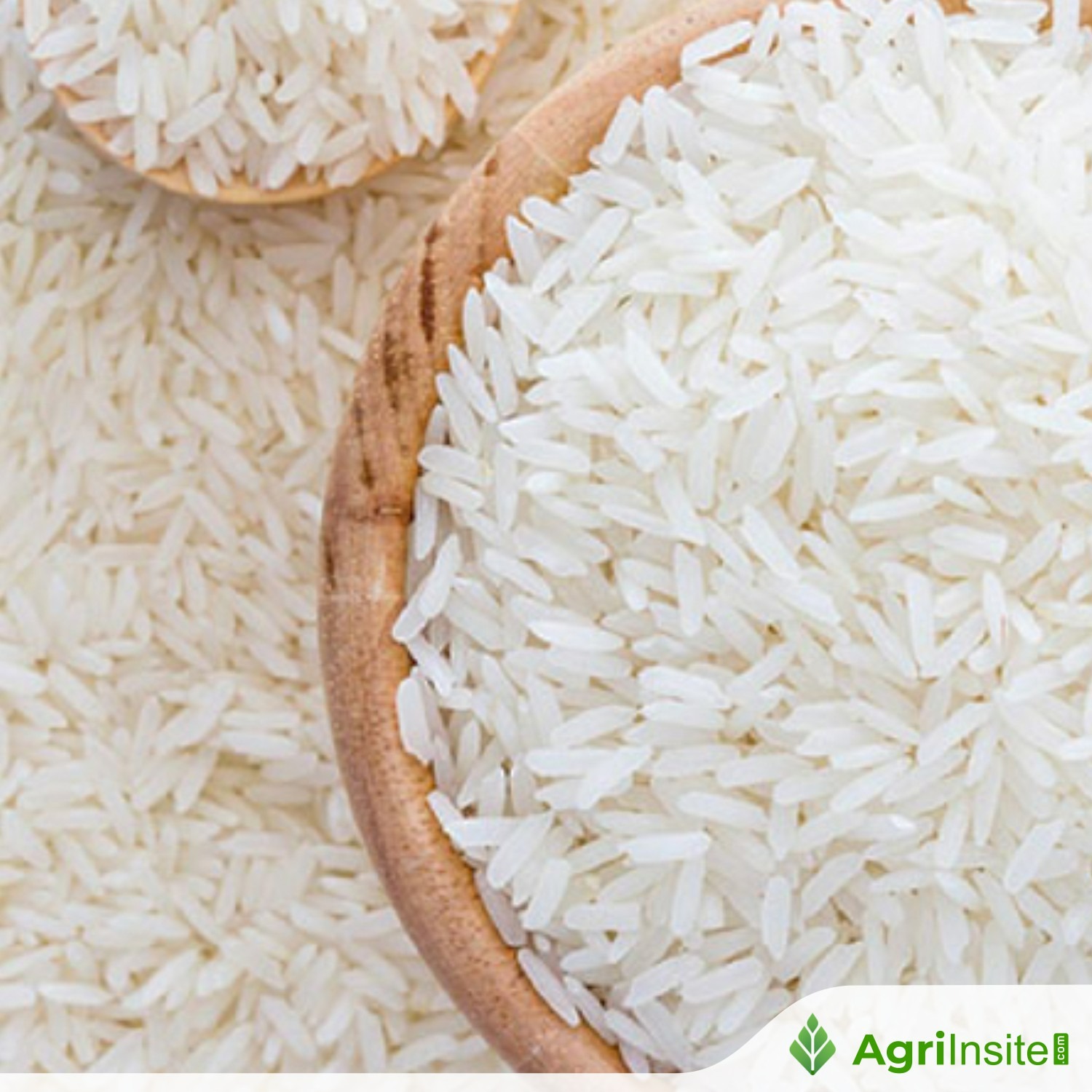
Rice prices across southern India have risen 10–15% due to El Niño-related rainfall deficits, lower production prospects and hoarding. Andhra Pradesh, Telangana and Karnataka face significant crop risks, while Kerala and Andhra Pradesh have introduced subsidised rice sales and market intervention measures to curb price increases.
Hyderabad/ Thiruvananthapuram/ Chennai: Rice prices have risen sharply in most of the southern states, with rates of the staple food up by 10 to 15% per kilogram across all varieties, putting a dent in household budgets and pushing monthly grocery bills higher.
The price hike is primarily attributed to severe El Niño-related weather conditions, significant rainfall deficit and hoarding by private stockholders. Anticipating lower future production because of poor rainfall, traders and commercial holders have increasingly stockpiled fine rice varieties, artificially tightening open-market supply and driving prices even higher.
According to market sources in Andhra Pradesh, prices of all fine rice varieties, including popular old fine varieties such as HMT, Jaisriram, BPT, RNR and Samba Masoori, have risen by 10 to 20% over the past couple of months.
“The price of a 26-kg bag of rice has gone up by Rs 200. When I asked the shop owner, he said he was helpless since the wholesaler had hiked prices, citing crop failure this year due to the rain deficit,” A Sarath, a resident of Vijayawada, told DH.
Retail rice sellers put the blame on wholesales. “What can we do if the wholesalers keep hiking the price? I can’t sell at a loss. Across all varieties of rice, prices have gone up by Rs 1,000 to Rs 1,500 per quintal in the last two months,” a rice trader in One Town, Vijayawada, told DH.
Kerala, too, is witnessing a steep rise in rice prices as the Onam festival season approaches. According to retail industry sources, the price of common rice brands suddenly increased by Rs 7 per kilogram, with no prior indication. With Onam shopping set to begin in the coming weeks, traders warned of further price hikes and possible black marketing.
Traders cited declining rice production in other states and rising transportation costs as the key reasons behind the increase, along with a reported rise in the country’s rice exports.
Meanwhile, Tamil Nadu, which generally maintains an average surplus rice stock of about five lakh tonnes, is witnessing a price hike of Rs 5 to Rs 15 per kg.
A C Mohan, secretary of the Federation of Tamil Nadu Rice Mill Owners and Paddy Rice Dealers Association, told DH that although prices of some varieties have gone up, there is no rice crisis in the state.
“Only the prices of varieties we get from Andhra Pradesh and Karnataka, like Sona, have increased. There is no increase in the prices of native Tamil Nadu varieties,” Mohan said, adding that 70% of Tamil Nadu’s rice demand is met within the state, with only 30%, mainly premium varieties, sourced from neighbouring states.
“The price hike will only be temporary. It will stabilise within a month,” he said.
However, with weather officials predicting a below-normal rainfall in the two remaining months of the southwest monsoon, there are fears that the rice production is going to plummet this year. Andhra Pradesh is currently facing a massive 51% to 54% monsoon rainfall deficit, with July alone recording a staggering 69% shortfall. It is feared that at least 1.07 lakh hectares of existing paddy crop in the state will be directly affected.
In the neighbouring Telangana, the overall rainfall deficit is 25% to 30%. A government expert panel has warned that the total paddy footprint in the state could fall by 44.9%, from 69.89 lakh acres last season to an estimated 38.51 lakh acres this season.
Karnataka, too, is glaring at a lower rice production this kharif season, which could drive a hike in prices. In the Tungabhadra command area, known as the ‘Rice bowl of Karnataka’, farmers are left with no choice, but to switch to alternative crops due to adverse weather conditions. Recently, scientists at the Agriculture Research Station in Gangavati advised farmers to opt for low water-intensive crops.
A similar situation prevails in Andhra Pradesh, where the irrigation and water resources department has issued urgent appeals to farmers, particularly in the Krishna Delta, to skip paddy cultivation entirely this kharif season.
According to data from the Andhra Pradesh agriculture department, paddy cultivation in the state spans approximately 19.7 lakh hectares annually during both the kharif and rabi seasons, producing over 128.95 lakh tonnes. The state is a major national producer, contributing roughly 12% of India’s total rice output, and a steep fall in production is now expected in the coming months.
Govts steps up intervention
The rising rice prices has prompted governments in some states to initiate remedial measures. In Andhra Pradesh, the civil supplies department is now selling super-fine rice and other varieties at subsidised prices through the market intervention programme (MIP) in Kakinada district, as part of a pilot project.
Initially, three varieties of rice will be sold at Rythu Bazaars to help ease the price rise. Super-fine rice will be sold at Rs 52 per kilogram, and the BPT steamed and raw varieties at Rs 52 and Rs 50, respectively.
In Kerala, anticipating further price hikes during Onam, the state government has already announced measures such as the distribution of subsidised rice to non-priority ration card holders, along with Onam kits for over six lakh families in the priority sector.
Kerala produces only around five lakh tonnes of paddy annually and depends on states like Andhra Pradesh, Telangana and Tamil Nadu for nearly 75% of its rice requirement, as its own production continues to decline. Consumption typically peaks during the Onam season.
“We have urged the state government to convene a meeting chaired by the chief minister to review the issue and take precautionary measures to contain the price rise,” said Raju Apsara, general secretary of the Kerala Vyapari Vyavasayi Ekopana Samathi.
Farmers’ representatives in Tamil Nadu, however, expressed optimism that the state may not face a crisis this year. Although kuruvai (short-term crop) cultivation in the Cauvery Delta region has fallen to about 2 lakh acres this year from 6.33 lakh acres in 2025, the state has enough paddy stock to hull and convert into rice.
P R Pandian, general secretary of the Tamil Nadu Cauvery Farmers’ Association, told DH that Tamil Nadu has enough paddy left over from last year’s production. “There is no crisis this year. Rice mills across the state have enough paddy to be paddy to be hulled. But if kuruvai and samba (long-term crops) don’t materialise this year, we may be staring at a food crisis next year,” Pandian said.
A rice mill owner noted that paddy is typically stored for about six months before being hulled “There is no shortage, for now,” he said.
To Read more about Rice News continue reading Agriinsite.com
Source : Deccan Herald