Maharashtra sugar mills earn over Rs 8,250 crore from ethanol and power generation

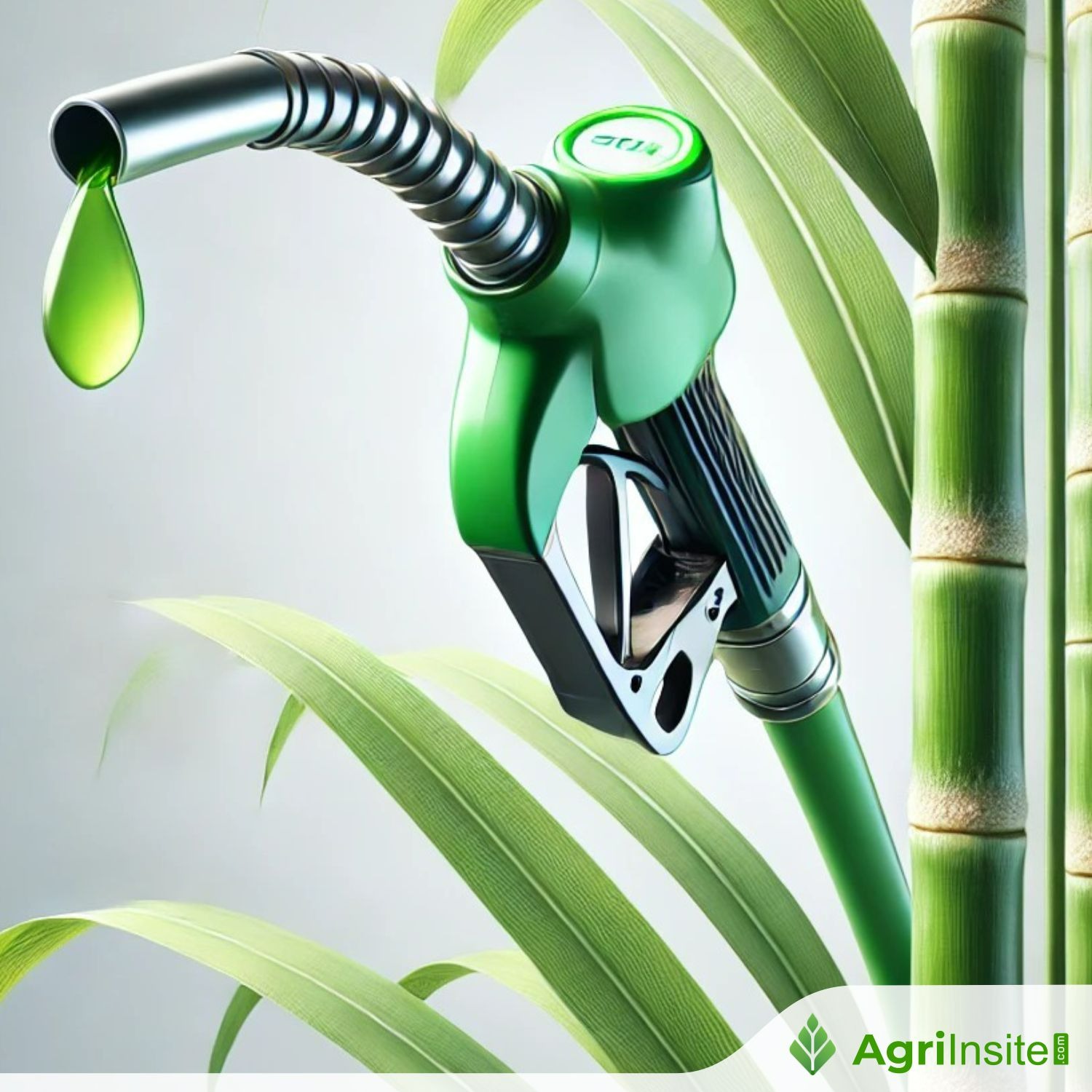
Maharashtra’s sugar mills earned over ₹8,250 crore from ethanol and bagasse-based power generation during the 2025–26 season, strengthening industry finances. However, many mills continue delaying FRP payments to farmers despite substantial additional revenue from bioenergy operations.
The Centre’s Ethanol Blended Petrol (EBP) Programme and its push for green energy have significantly improved the financial position of Maharashtra’s sugar industry. During the 2025-26 sugar season, sugar mills in the state earned more than Rs 6,250 crore from ethanol production. They also generated around Rs 1,950 crore by producing electricity through bagasse-based co-generation plants and supplying power to the grid, Pudhari reported.
Despite earning more than Rs 8,250 crore in additional revenue from these two sources, many sugar mills continue to delay payment of Fair and Remunerative Price (FRP) dues to farmers.
A total of 210 sugar mills, including 103 cooperative and 107 private mills, completed crushing operations during the 2025-26 season. Together, they crushed around 104.5 million tonnes of sugarcane.
More than 140 sugar mills in Maharashtra currently operate their own ethanol production units (distilleries), reflecting the sector’s growing investment in biofuel production.
Among the leading ethanol-producing sugar mills in the state are Jawahar Shetkari, Shri Datt Shetkari and Tatyasaheb Kore in Kolhapur district; Sahyadri in Satara; Rajarambapu, Dalmia Bharat and Sonhira in Sangli; Someshwar in Pune; Natural Sugar in Dharashiv; and Mula Cooperative Sugar Factory in Ahmednagar district.
With ethanol production becoming a major source of income, the sugar industry has expanded beyond sugar manufacturing and is increasingly emerging as an integrated energy sector. The additional revenue has strengthened the financial position of sugar mills, and many are now focusing on expanding their ethanol production capacity.
To reduce surplus sugar production and support the Centre’s target of achieving 20% ethanol blending in petrol, sugar mills have diverted B-heavy molasses, C-heavy molasses and sugarcane juice in large quantities for ethanol production during the season.
To Read more about Sugar Industry continue reading Agriinsite.com
Source : ChiniMandi