Philippines : End-July rice imports jump 27% as gov’t builds buffer for El Niño

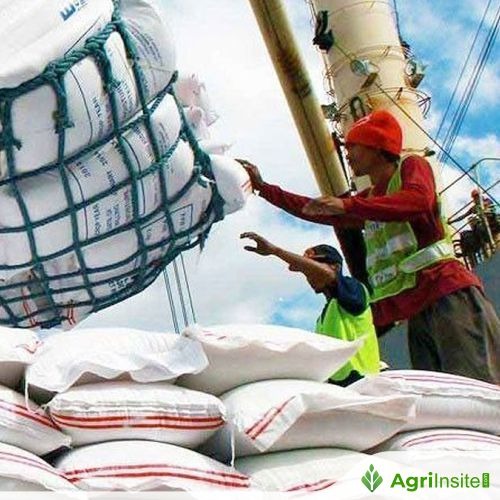
Philippine rice imports rose 27% year-on-year to 3.27 million tonnes by July as the government builds stocks ahead of El Niño. Rice output is projected to fall by 750,000 tonnes. Vietnam supplied 77% of imports, while authorities are considering higher tariffs instead of an import ban.
Rice imports rose by nearly 27 percent year-on-year to more than three million metric tons (MT) in the first seven months, as the country ramped up purchases of foreign supplies to secure adequate stocks ahead of El Niño.
The latest Bureau of Plant Industry (BPI) data showed that the country’s rice imports reached 3.27 million MT as of end-July, from 2.58 million MT in the same period last year.
The latest import volume puts the country on track to surpass total imports of 3.39 million MT in 2025, when the government imposed a four-month suspension on the entry of foreign-sourced rice.
Unlike last year, Department of Agriculture (DA) Secretary Francisco Tiu Laurel earlier said there will be no import ban this year in order to prepare for the impact of the extreme El Niño in the fourth quarter of the year.
The DA chief said maintaining adequate stocks outweighs the benefits of restricting imports, given the heightened risks from El Niño and its impact on the country’s rice production.
Based on the DA’s latest projection, the country’s rice output is on track to decline by around 750,000 MT this year due to El Niño, way higher than its initial projected loss of 700,000 MT.
“Our responsibility is to ensure the country has enough buffer stocks well before the next harvest. Food security means being proactive, not reacting after supplies tighten,” Tiu Laurel said in a statement.
Instead of a ban, he said the DA is banking on importers to refrain from bringing in five-percent broken rice, or the country’s most commonly consumed imported variety, in favor of 25-percent broken rice or other imported rice with even higher broken-grain percentages.
At present, the DA is still waiting on the findings of the Tariff Commission (TC) on whether there is a need to impose a definitive safeguard measure on imported rice.
The TC is currently investigating the matter in response to the DA’s probe that found that there is a causal link between increased rice imports and serious injury to the domestic industry.
The DA recommended in its findings that the current 15-percent tariff on rice imports be raised by at least 13 percentage points (ppt), bringing the minimum tariff rate to 28 percent.
It noted that the tariff hike should be limited to the country’s principal sources of imported rice, which include Vietnam, Thailand, Pakistan, and Myanmar.
BPI data showed that Vietnam remains the top rice supplier as of end-July, with imports reaching 2.53 million MT, or 77 percent of the total volume.
The United States Department of Agriculture (USDA) estimated in a report that the Philippines accounted for 48 percent of Vietnam’s rice exports in the first half, about 14 percent higher than in the same period last year.
Other top sources of rice include Thailand with 343,227 MT, Myanmar with 233,922 MT, Cambodia with 80,678 MT, and Pakistan with 68,313 MT.
To Read more about Rice News continue reading Agriinsite.com
Source : Manila Bulletin