Egypt faces growing wheat supply risks amid Black Sea disruptions

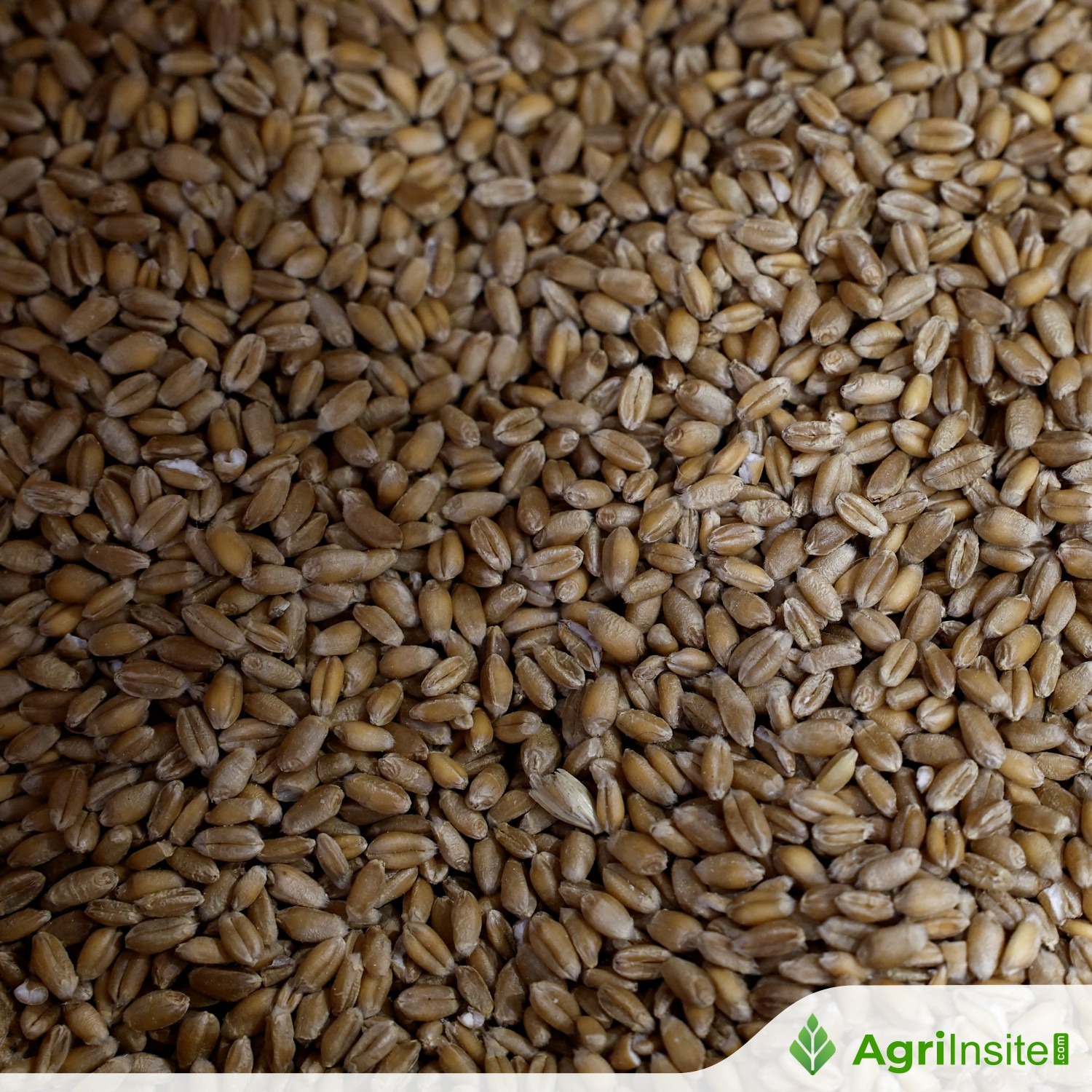
Escalating Black Sea tensions are disrupting wheat shipments from Russia and Ukraine, which supplied over 82% of Egypt’s imports in H1 2026. Russian wheat prices rose to $298.5/t by August 26. Alternative suppliers face higher freight costs, increasing risks to Egypt’s food security and finances.
Escalating tensions in the Black Sea are increasing risks to Egypt’s wheat supplies and pushing up import costs, according to S&P Global. Egypt remains one of the world’s largest grain importers and is heavily dependent on Ukraine and Russia, which together accounted for more than 82% of its wheat imports in the first half of 2026.
Mutual attacks on port and grain infrastructure across the Black Sea region are disrupting shipments from both countries. Ukrainian exporters are increasingly relying on alternative routes via the Danube, but congestion and limited capacity prevent these routes from fully compensating for disruptions at deep-water Black Sea ports.
Supply problems are already increasing wheat costs for Egypt. As of August 26, Russian 12.5% protein wheat was offered at around $298.5/t, up from $282.6/t in early July. Rising prices and tighter availability are increasing replacement costs for Egyptian importers.
Egypt could increasingly turn to Romania, France, Bulgaria and other suppliers, but replacing Black Sea wheat quickly will be difficult. Grain from more distant origins, including Australia, involves significantly higher freight costs, further increasing import prices.
Prolonged Black Sea disruptions could pose a serious challenge to Egypt’s food security and public finances. Subsidized bread remains a key part of the country’s food support system, meaning further increases in imported wheat prices would raise government spending and could add pressure to domestic food prices.
To Read more about Wheat News continue reading Agriinsite.com
Source : Ukr Agro Consult