Rice loses acreage, pulses and bajra gain in India’s Kharif sowing season

India’s 2026-27 kharif sowing area stands at 1,279.66 lakh hectares, marginally below last year. Rice and cotton acreage declined, while pulses, jowar, bajra, sunflower and sesamum gained ground, reflecting changing rainfall, soil moisture, crop economics and regional conditions.
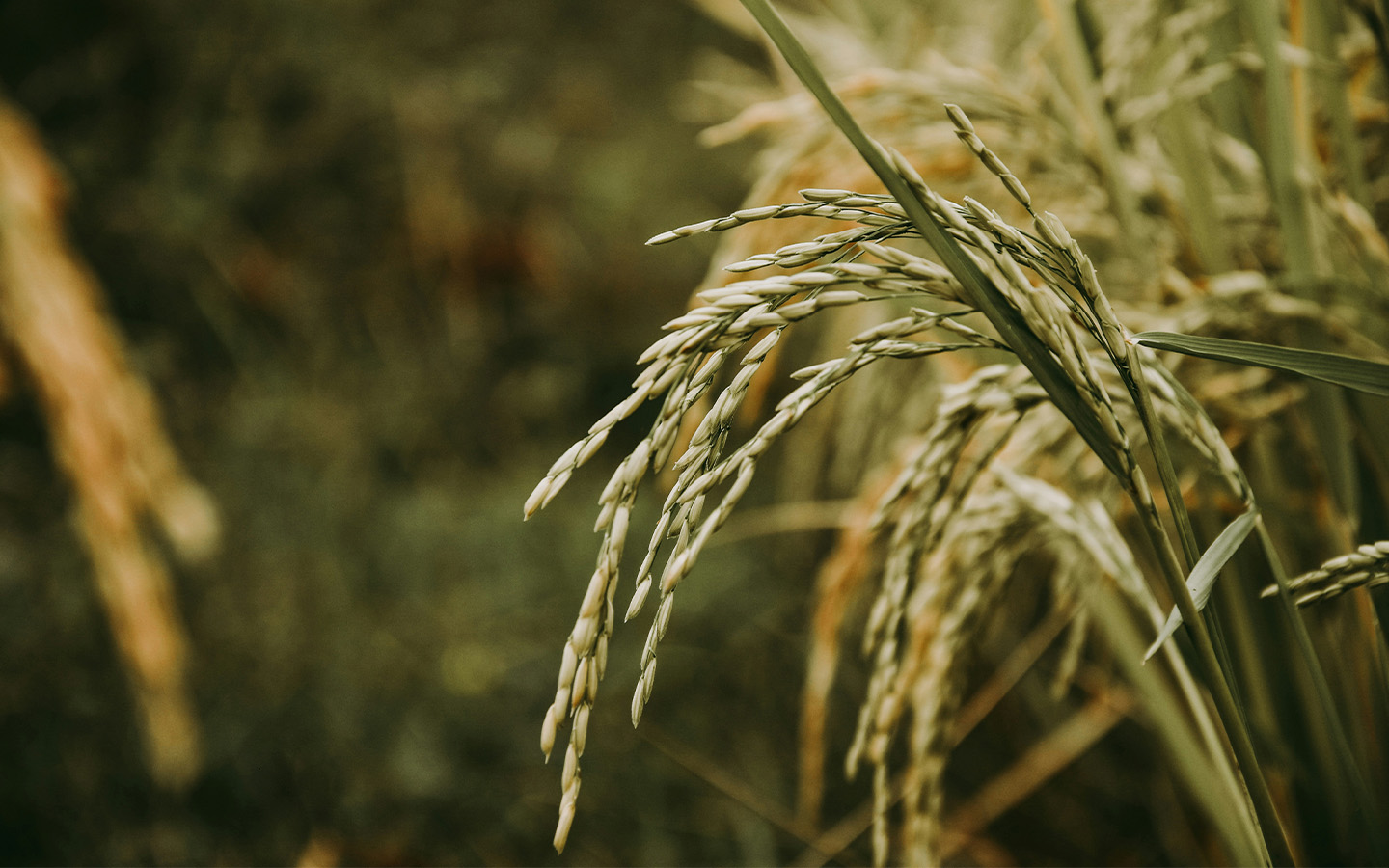
India’s kharif sowing pattern in 2026-27 presents a mixed picture, with rice and cotton acreage declining from last year while pulses, several coarse cereals and select oilseeds gain ground. The latest crop-wise data show that the total sown area stands at 1,279.66 lakh hectares, marginally lower than last year, reflecting the influence of rainfall patterns, soil moisture, crop economics and local agro-climatic conditions on farmers’ sowing decisions. Rice area stood at 426.81 lakh hectares, down 16.97 lakh hectares, or 3.82 per cent, from 443.78 lakh hectares in 2025-26. The normal area for rice, according to the Department of Agriculture and Farmers Welfare (DA&FW), is 412.00 lakh hectares. Despite the year-on-year decline, current rice acreage remains 14.81 lakh hectares above the normal area.
Pulses, in contrast, have recorded an increase in overall acreage. The area under total pulses rose to 118.46 lakh hectares in 2026-27 from 116.79 lakh hectares last year, an increase of 1.67 lakh hectares or 1.43 per cent. The normal area for total pulses is 123.64 lakh hectares, leaving current coverage below the normal level despite the year-on-year improvement. Within pulses, tur acreage increased to 46.11 lakh hectares from 45.47 lakh hectares, up 0.65 lakh hectares or 1.42 per cent, against a normal area of 44.32 lakh hectares. Urad recorded a sharper increase, with area rising to 25.52 lakh hectares from 22.81 lakh hectares, an increase of 2.71 lakh hectares or 11.87 per cent. The normal area for urad is 29.60 lakh hectares.
Moong acreage declined to 33.30 lakh hectares from 34.49 lakh hectares, representing a reduction of 1.18 lakh hectares or 3.43 per cent, compared with a normal area of 35.48 lakh hectares. Kulthi area fell to 0.45 lakh hectares from 0.57 lakh hectares, down 0.11 lakh hectares or 20.16 per cent, against a normal area of 1.48 lakh hectares. Area under moth bean increased marginally to 9.24 lakh hectares from 9.20 lakh hectares, a gain of 0.05 lakh hectares or 0.50 per cent, compared with its normal area of 9.69 lakh hectares. Meanwhile, other pulses covered 3.83 lakh hectares, down from 4.27 lakh hectares in 2025-26, a decline of 0.44 lakh hectares or 10.22 per cent. The normal area for other pulses is 3.07 lakh hectares.
The area under Shri Anna and coarse cereals edged up to 183.17 lakh hectares from 182.48 lakh hectares, an increase of 0.69 lakh hectares or 0.38 per cent. This remains slightly above the normal area of 182.61 lakh hectares. Among individual coarse cereals, jowar acreage increased to 13.71 lakh hectares from 12.61 lakh hectares, up 1.11 lakh hectares or 8.77 per cent, against a normal area of 14.44 lakh hectares. Bajra area rose to 64.88 lakh hectares from 62.87 lakh hectares, an increase of 2.01 lakh hectares or 3.19 per cent, although it remained below the normal area of 70.90 lakh hectares.
Ragi acreage declined marginally to 8.67 lakh hectares from 8.77 lakh hectares, a fall of 0.10 lakh hectares or 1.09 per cent, compared with a normal area of 11.98 lakh hectares. Small millets increased to 4.31 lakh hectares from 4.15 lakh hectares, gaining 0.16 lakh hectares or 3.83 per cent, against a normal area of 4.52 lakh hectares. Maize, one of the largest crops in the coarse-cereal basket, recorded a decline in area. Coverage stood at 91.59 lakh hectares, compared with 94.08 lakh hectares in 2025-26, representing a reduction of 2.49 lakh hectares or 2.64 per cent. The normal area for maize is 80.77 lakh hectares, meaning current acreage remains substantially above normal despite the year-on-year decline.
The oilseed basket was broadly stable but marginally below last year’s level. Total oilseed area stood at 193.90 lakh hectares in 2026-27, compared with 194.07 lakh hectares in 2025-26, a decline of 0.16 lakh hectares or 0.08 per cent. The normal area for total oilseeds is 200.08 lakh hectares. Within oilseeds, groundnut acreage stood at 50.45 lakh hectares, compared with 50.66 lakh hectares last year, down 0.21 lakh hectares or 0.42 per cent. Its normal area is 46.79 lakh hectares. Soybean area declined to 122.08 lakh hectares from 123.06 lakh hectares, a reduction of 0.98 lakh hectares or 0.80 per cent, against a normal area of 128.71 lakh hectares.
The sharpest year-on-year increase among the major oilseeds came from sunflower, whose acreage rose to 1.29 lakh hectares from 0.67 lakh hectares. The increase of 0.62 lakh hectares translated into a 91.82 per cent rise, against a normal area of 1.20 lakh hectares. Sesamum area also expanded, rising to 11.02 lakh hectares from 9.64 lakh hectares, an increase of 1.38 lakh hectares or 14.33 per cent, compared with a normal area of 12.88 lakh hectares. Nigerseed declined to 0.59 lakh hectares from 0.64 lakh hectares, down 0.05 lakh hectares or 8.42 per cent, against a normal area of 1.01 lakh hectares.
Castorseed acreage fell to 8.36 lakh hectares from 9.31 lakh hectares, a reduction of 0.95 lakh hectares or 10.19 per cent, compared with a normal area of 9.49 lakh hectares. Area under other oilseeds increased to 0.12 lakh hectares from 0.08 lakh hectares, a gain of 0.04 lakh hectares or 52.88 per cent. Sugarcane acreage remained broadly stable but marginally below last year’s level. Area under the crop stood at 58.47 lakh hectares in 2026-27, compared with 58.87 lakh hectares in 2025-26, a decline of 0.40 lakh hectares or 0.69 per cent. The normal area for sugarcane is 54.20 lakh hectares, leaving current coverage above the normal level.
The jute and mesta basket recorded a modest increase. Total jute and mesta area stood at 6.35 lakh hectares, compared with 6.24 lakh hectares last year, an increase of 0.11 lakh hectares or 1.70 per cent. The normal area for the crop group is 6.39 lakh hectares. Within the basket, jute acreage increased to 6.13 lakh hectares from 6.03 lakh hectares, up 0.11 lakh hectares or 1.77 per cent, against a normal area of 6.03 lakh hectares. Mesta remained virtually unchanged at 0.21 lakh hectares, compared with 0.21 lakh hectares in 2025-26, registering a marginal 0.15 per cent decline against a normal area of 0.37 lakh hectares. Cotton acreage declined to 109.34 lakh hectares from 110.31 lakh hectares in 2025-26. The reduction of 0.97 lakh hectares represents a 0.88 per cent decline. The normal area for cotton is 125.51 lakh hectares.
Uday Raj Anand, CEO – Domestic Business, Parijat Industries, said the latest sowing figures need to be viewed through the lens of regional conditions rather than headline acreage alone. “The latest Kharif sowing figures present a mixed picture for Indian agriculture. While the total sown area of 1,279.66 lakh hectares is marginally lower than last year, the real story lies in the regional variations, where rainfall patterns, soil moisture, crop economics and local agro-climatic conditions continue to shape farmers’ sowing decisions,” Anand said. He said the focus should now shift from the acreage already planted to protecting the yield potential of standing crops. “At this stage of the season, the priority must shift from acreage to protecting yield potential. A crop that is already in the field represents significant investment for farmers, and weather variability, pest attacks and disease pressure can quickly erode that potential,” he said.
Timely crop scouting, early identification of threats and scientifically recommended crop-protection practices will therefore be critical in the weeks ahead, Anand said. The emphasis, he added, should be on helping farmers respond quickly to emerging pest, disease and weather-related risks rather than assessing the season only through the area planted. “India’s agricultural resilience will ultimately depend not just on how many hectares we cultivate, but on how productively and sustainably we manage every hectare,” Anand said. Strengthening farmers’ access to quality inputs, credible agronomic advice and responsible crop-protection solutions, he added, can help reduce avoidable yield losses, improve farm incomes and strengthen food and livelihood security.
The crop-wise sowing pattern reinforces the importance of looking beyond aggregate acreage. Rice and cotton have registered declines from last year, while total pulses have expanded modestly, led by urad and tur. Within coarse cereals, jowar and bajra have gained ground even as maize and ragi declined. The oilseed basket is almost unchanged overall, but its composition is shifting, with strong increases in sunflower and sesamum offsetting declines in soybean, groundnut, castorseed and nigerseed. The divergence between current acreage and normal area is equally important. Several crops are either above or below their normal sowing levels, reflecting changes in cropping choices and regional conditions. The eventual production outcome will depend not only on the area planted but also on crop establishment, rainfall distribution, soil moisture, pest and disease incidence and yield performance through the remainder of the season.
The next phase of the kharif season will therefore be less about reading the acreage numbers in isolation and more about protecting the crops already in the ground. With the sowing window largely reflected in the current data, the focus now moves to crop health, productivity and the effective management of weather, pest and disease risks.
To Read more about Rice News continue reading Agriinsite.com
Source : Agro Spectrum