Haryana: Millers push for increase in permissible limit for damaged, discoloured rice to 4.5%

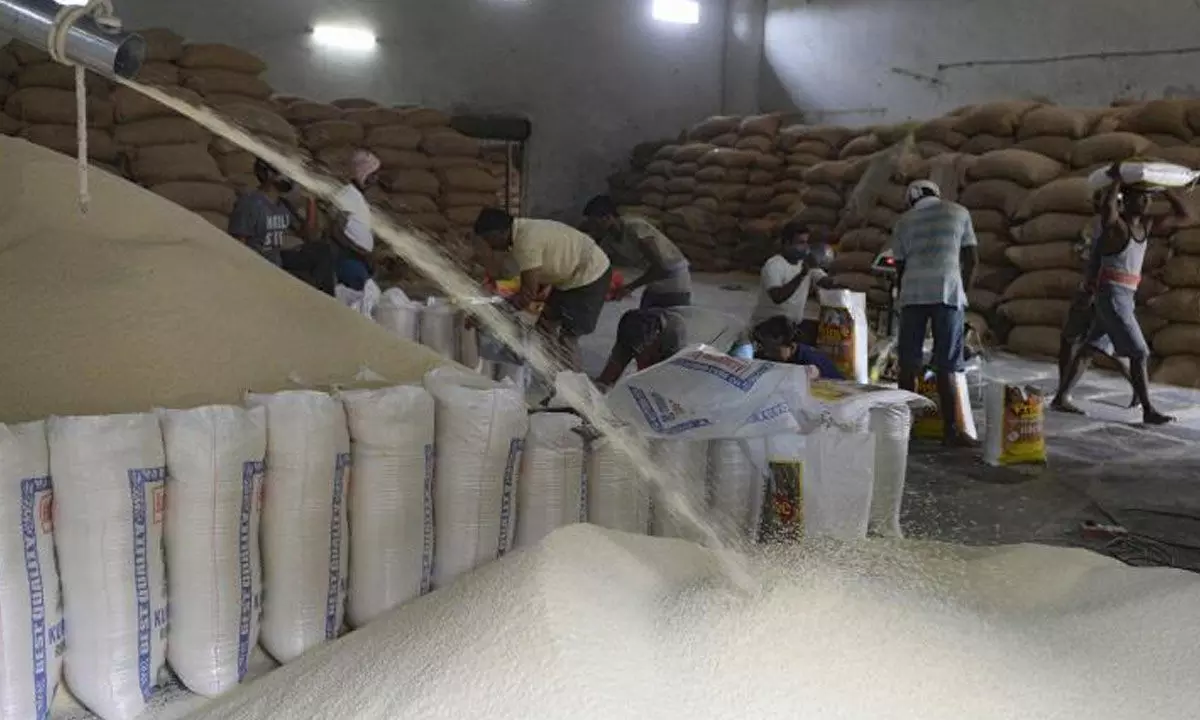
Rice millers in Yamunanagar, Haryana, have urged the state government to raise the permissible limit for damaged and discoloured rice from 3% to 4.5%, citing unseasonal rainfall and poor-quality paddy. The association warned of financial losses and declining mill registrations, seeking revised norms and industry consultation.
Rice millers in Yamunanagar district have urged the state government to increase the permissible limit for damaged and discoloured rice from 3% to 4.5%, citing losses caused by poor-quality paddy procured during the ongoing season.
According to millers, unseasonal and prolonged rainfall during procurement had adversely affected paddy quality, raising concerns over a higher proportion of damaged grains, including bold damage, pin-point damage and water-marked grains, during the milling process.
They said the existing norms could lead to significant financial losses as the quantity of damaged rice was expected to rise due to the recent spells of rain. The millers have appealed to the state government to take into account the prevailing circumstances and revise the permissible limit accordingly.
“The Centre currently allows a maximum of 3% damaged rice under the existing policy. This limit should be raised to 4.5% to help millers offset losses resulting from poor-quality paddy,” said Manish Bansal, district president of the Rice Millers Association.
Bansal said the number of registered rice mills in the district had declined from 184 to 150 this year and could fall further if the issues faced by millers remained unresolved.
He added that the association had also urged the Central Government to consult rice millers before introducing changes to regulations governing the industry.
“A review of the existing norms is necessary to protect millers from avoidable financial losses,” he said.
The millers maintained that timely intervention by the government would help the industry tackle the challenges posed by unseasonal rainfall and ensure smoother paddy processing during the procurement season.
To Read more about Rice News continue reading Agriinsite.com
Source : The Tribune