Maharashtra’s sugarcane crushing may decline to 900 LMT in 2026-27 season

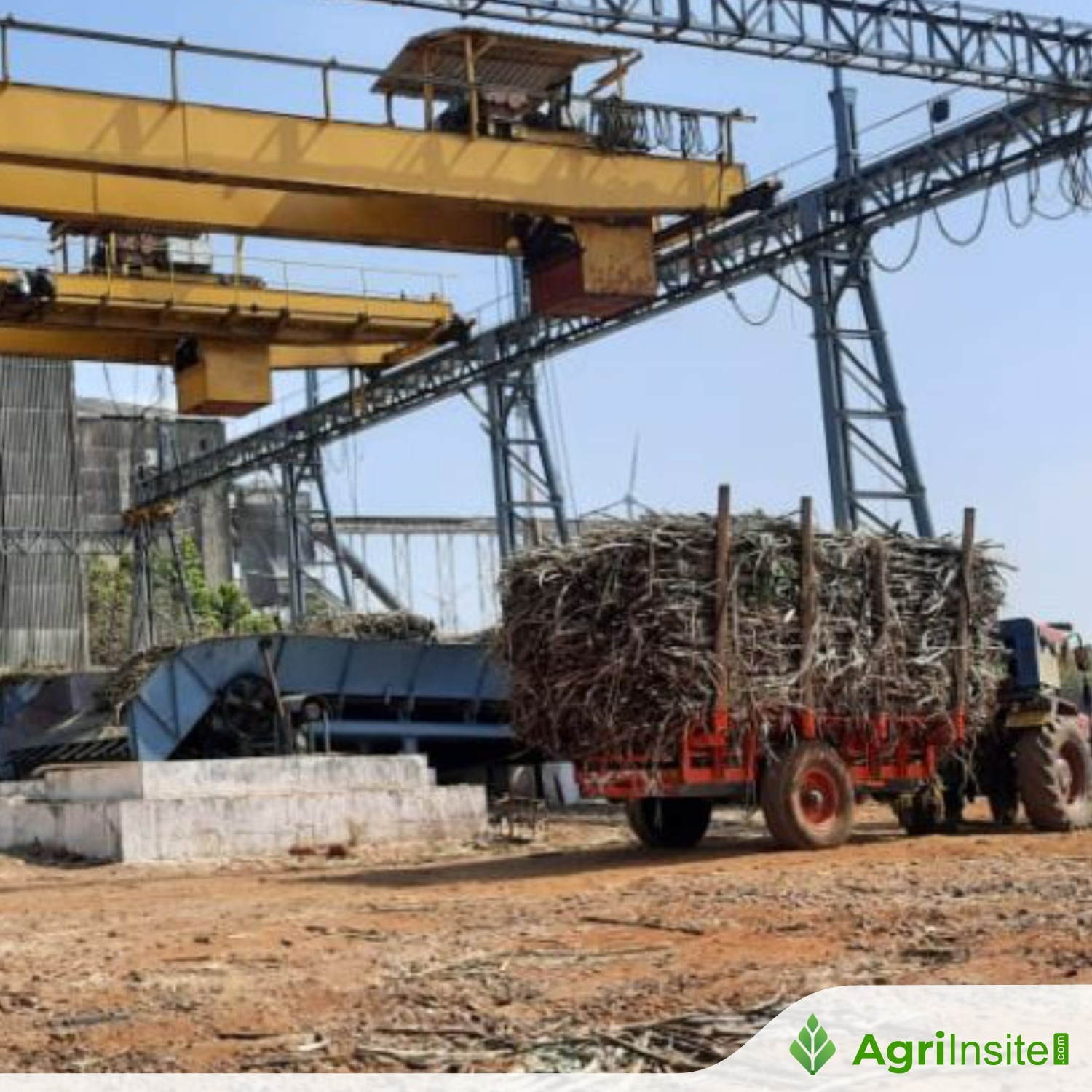
Maharashtra’s sugarcane crushing is projected to fall to 900 lakh tonnes in 2026–27 from 1,045 lakh tonnes last season, reducing sugar output to 89–90 lakh tonnes. Shorter crushing operations and a projected 30% decline in ethanol production could pressure mill revenues amid feedstock and procurement restrictions.
Maharashtra’s sugarcane crushing is expected to decline to around 900 lakh metric tonnes in the 2026-27 season from approximately 1,045 lakh metric tonnes last season, according to estimates by the state Agriculture Department and an expert committee, India Today reported. Irregular rainfall and drought-like conditions have affected sugarcane availability, raising concerns over production and mill operations.
The decline in cane availability is also expected to reduce the state’s sugar output by nearly 10 lakh metric tonnes. Sugar Commissioner Dr Sanjay Kolte said Maharashtra could produce between 89 lakh and 90 lakh metric tonnes of sugar this season, compared with 99 lakh metric tonnes recorded in the previous season.
With less sugarcane available for processing, the average crushing season in Maharashtra is likely to shorten to around 90 days from 104 days last year. Lower crushing volumes and fewer operating days could affect capacity utilisation and revenues of sugar mills across the state.
During the previous season, 210 sugar factories undertook crushing operations. For the upcoming season, 103 factories have received licences, while the process of issuing licences to another 109 factories is under way.
Ethanol production in Maharashtra is also projected to decline by around 30%, adding to the industry’s concerns. Sugar mills across the state have invested substantial amounts in distillery infrastructure, taking the total installed ethanol production capacity to an estimated 296 crore litres.
However, actual production and sales depend on raw material availability, government procurement policies and demand from oil marketing companies (OMCs).
National ethanol demand from OMCs is estimated at around 1,100 crore litres, with Maharashtra accounting for approximately 100 crore to 120 crore litres.
Around 9% of sugar is diverted towards ethanol production annually. However, restrictions under the Centre’s current procurement policy on ethanol produced from sugarcane juice, syrup and B-heavy molasses are expected to constrain the feedstock options available to manufacturers.
As a result, sugar mills may increasingly depend on C-heavy molasses and grain-based feedstocks for ethanol production. The combination of lower sugarcane availability and policy restrictions could put pressure on distillery operations and affect returns on investments made by mills in ethanol manufacturing facilities.
To Read more about Sugar Industry continue reading Agriinsite.com
Source : ChiniMandi