Bangladesh: Strong El Niño raises risks to Boro

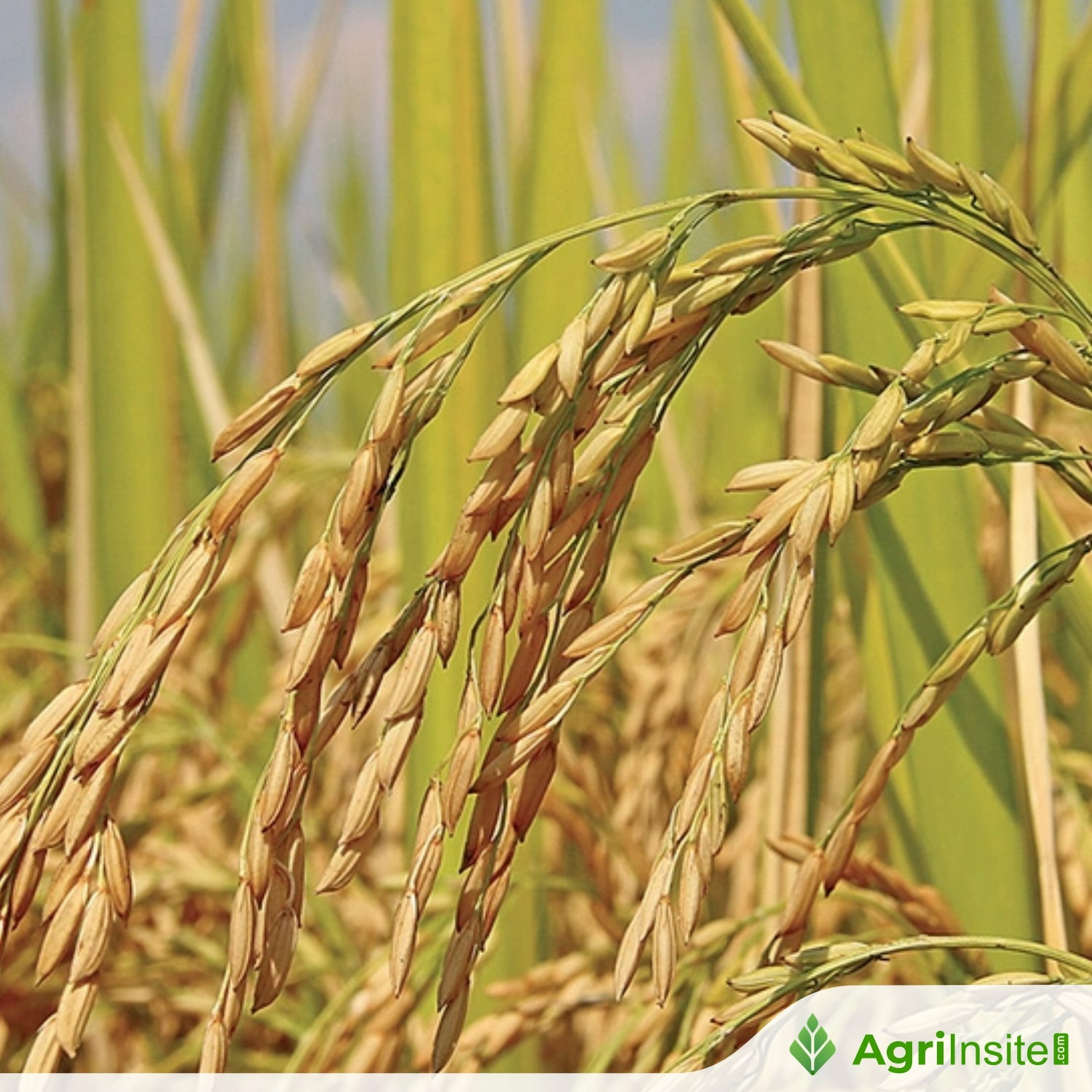
Bangladesh’s 2026–27 Boro rice season faces elevated weather risks as forecasts indicate a potentially very strong El Niño extending into early 2027. Reduced rainfall and higher temperatures could increase irrigation demand and production costs, although local weather conditions, water availability and agricultural inputs will determine the actual impact.
Bangladesh could face increased risks to Boro rice production in the 2026–27 season as climate forecasts point to a potentially very strong El Niño that could persist into early 2027.
Dr Md Rashed Chowdhury, a climate scientist affiliated with Arizona State University in the United States, said the event could affect rainfall and temperatures during the dry-season growing period.
Rashed said a strong El Niño could reduce dry-season rainfall, raise temperatures and increase irrigation demand, potentially putting additional pressure on farmers.
He cautioned against attributing potential production losses to El Niño alone, saying Bangladesh-specific rainfall and temperature forecasts over the coming months would be important in assessing the risks.
Boro, Bangladesh’s largest rice crop, accounts for more than half of the country’s annual rice production, according to figures cited in Rashed’s analysis.
Rashed assessed the outlook as posing an elevated risk of lower Boro production, rather than indicating that a decline was inevitable.
Exceptionally strong El Niño raises concern
Climate forecasts indicate the possibility of sea-surface temperature anomalies exceeding 2 degrees Celsius in the Niño-3.4 region of the tropical Pacific Ocean. Some projections suggest the anomalies could exceed 3 degrees Celsius towards the end of the year.
According to Rashed, forecasts from the International Research Institute (IRI) indicate that virtually all climate models point towards a very strong El Niño, with the event potentially continuing into early 2027.
El Niño is a naturally occurring climate phenomenon characterised by periodic warming of sea-surface temperatures in the central and eastern equatorial Pacific. It can influence atmospheric circulation, rainfall distribution and temperature patterns around the world.
Rashed said Bangladesh’s exposure would depend on how the event influences local weather during the Boro growing season. He warned that a strong El Niño could increase the risk of below-normal rainfall and higher temperatures during the dry months, when farmers depend heavily on irrigation to maintain rice production.
He said seasonal forecasts should be monitored as the next Boro season approaches to assess the potential for water shortages.
Boro rice at the centre of the risk
Boro rice is generally planted in December and January and harvested in April and May. Unlike Aman rice, which depends substantially on monsoon rainfall, Boro is cultivated during the dry season and relies heavily on irrigation.
According to figures cited in Rashed’s analysis, Boro produces around 20.2 million tonnes of rice annually, accounting for more than half of the country’s total rice output.
The United States Department of Agriculture (USDA), in its latest Grain and Feed Annual report, projected Bangladesh’s rice imports at 1.6 million tonnes in the 2026/27 marketing year, up 14.3% from an estimated 1.4 million tonnes in 2025/26.
The USDA also projected total rice production at 36.9 million tonnes in 2026/27, compared with 37.65 million tonnes in the previous marketing year. Boro production was projected at 20.3 million tonnes, down from 20.5 million tonnes in 2025/26.
These are USDA projections and should be distinguished from estimates based on Bangladesh’s local crop seasons. They do not establish that El Niño will cause the projected changes.
Research cited by Rashed suggests that El Niño years have been associated with reduced rainfall during Bangladesh’s Boro season, potentially increasing farmers’ reliance on irrigation.
Rashed said inadequate dry-season rainfall could increase the need to draw water from groundwater and surface-water sources, including rivers and canals. The extent of any additional pressure would depend on local water availability and irrigation requirements.
Higher temperatures could increase irrigation demand
Rashed said higher temperatures could increase evaporation and the amount of water required to maintain crop growth. If temperatures rise during the Boro season, farmers may need to irrigate more frequently or use greater volumes of water.
He said the effect on production would depend on whether farmers could meet the additional demand. Limited water supplies or disruptions to electricity and diesel supplies could make irrigation more difficult in some areas.
Rashed also identified higher irrigation costs as a potential concern for farmers. Any effect on rice prices, however, would depend on the scale of a production shortfall, market conditions, imports, public food stocks and the performance of other rice crops.
Irrigation offers an important buffer
Rashed said irrigation provides an important buffer against rainfall shortages because Boro is less directly dependent on rainfall than Aman rice.
He said adequate groundwater and surface-water supplies, along with reliable access to electricity, diesel and fertiliser, could help farmers manage potential weather-related pressures.
According to Rashed, the outcome of the Boro season would depend not only on the strength of El Niño but also on local weather conditions, water availability and farmers’ access to agricultural inputs.
He said regional differences in rainfall, temperature and water availability would also need to be considered, as national-level forecasts might not fully reflect conditions in individual rice-producing areas.
Rashed said more precise Bangladesh-specific seasonal forecasts could help identify areas facing elevated risks and inform decisions on irrigation and agricultural support.
El Niño does not automatically mean drought
Rashed cautioned against treating El Niño as a straightforward predictor of drought or extreme heat in Bangladesh.
The effects of El Niño partly depend on where the strongest sea-surface temperature anomalies develop across the tropical Pacific. Two broad patterns are commonly distinguished: Eastern Pacific El Niño (EPE) and Central Pacific El Niño (CPE), also known as El Niño Modoki. During an Eastern Pacific event, the strongest warming is concentrated in the eastern Pacific. In a Central Pacific event, the strongest warming occurs farther west, closer to the central Pacific.
These different warming patterns can influence atmospheric circulation and the distribution of tropical convection, producing different rainfall responses across Asia and other regions. The 1997–98 event is a classic example of an Eastern Pacific El Niño, while the 2015–16 event is commonly associated with a strong El Niño featuring substantial central-Pacific warming.
These differences help explain why El Niño events do not produce identical weather conditions in Bangladesh.
Rashed said the presence of El Niño alone could not establish that Bangladesh would experience drought, extreme heat or a particular level of rainfall. He said the effects would depend on the characteristics of the event and the atmosphere’s response.
For the 2026–27 Boro season, Rashed said Bangladesh-specific forecasts would be needed to assess whether the expected El Niño coincides with weather conditions that could increase water stress during critical stages of rice cultivation.
Food security implications
Rashed said a significant decline in Boro production could affect Bangladesh’s rice supply because the crop accounts for more than half of annual rice output. The scale of any impact would depend on the size of the production shortfall, existing stocks, imports, demand and the performance of other rice crops.
He said changes in rainfall and temperature could affect irrigation requirements and cultivation costs, with the extent of those effects varying by location and farmers’ access to water and energy.
Rashed emphasised the importance of monitoring the evolving climate outlook and local weather forecasts rather than assuming that a strong El Niño would inevitably lead to lower production.
To Read more about Rice News continue reading Agriinsite.com
Source : Daily Sun