65% of kharif acreage damaged in Pune district; total crop area lost crosses 3.18 lakh hectares

Pune district’s deficient monsoon has damaged nearly 65% of kharif acreage, covering 1.3 lakh hectares, while total affected agricultural land, including sugarcane, onions, vegetables and orchards, stands at 3.18 lakh hectares. Severe losses threaten farmers’ incomes, future yields and their ability to finance the next cropping season.
Pune: A crop damage assessment released this week by the district agriculture office has offered the clearest picture yet on the devastating effect the deficient monsoon has had on farmers in the region. Nearly 65% of the kharif crop acreage in the district has been damaged — that’s 1.3 lakh hectares out of a total 2 lakh hectares.
When combined with damage assessments of other crops, including sugarcane, onions, vegetable and fruit orchards, the total affected agricultural area is an estimated 3.18 lakh hectares.
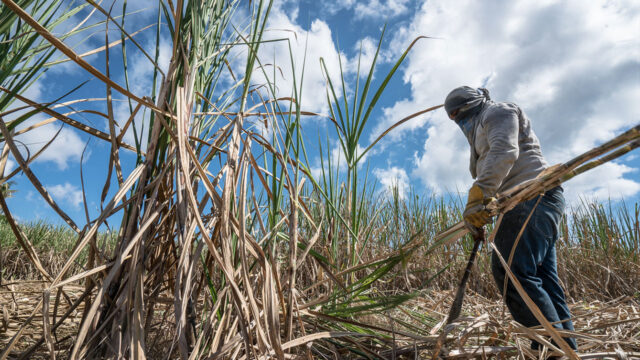
District officials said the scale of damage this year is staggering. “It’s unprecedented,” said Vaibhav Tambe, the district agriculture officer. “Sugarcane losses are a big blow to farmers, particularly in Baramati, Indapur, Daund and Shirur tehsils, where rainfall has been scant. Even newly planted sugarcane is in a bad way,” he added.
The farm losses also raise concerns over overall agricultural output in the district, farmer incomes and the financial stability of thousands of agrarian households.
For sugarcane cultivators, especially, the losses can have consequences extending well beyond the ongoing agricultural season.
A sugarcane grower from Indapur, Sachin Lawte, said the year’s rainfall deficit crushed investments in the crop. Like fruit orchards, sugarcane is a long-duration cash crop that needs substantial upfront spending.
“We spent considerable sums to prepare our fields, buy planting material, fertilisers and labour. But there was no rain during the crop’s crucial growth stage. Several portions of the field remain stunted,” Lawte said, adding that even if rainfall improves in the coming few days, recoveries are impossible.
“We fear the final yield will be substantially lower. And that would make recovering investments difficult,” he said.
The impact on fruit orchards is equally worrying. Unlike seasonal crops, horticultural plantations require continuous maintenance and regular watering. Pomegranate grower Baban Pandhare from Indapur, said: “An orchard requires round-the-year expenditure, irrespective of whether the crops generate income. With insufficient rain, we have struggled to water the trees. The stress has affected their growth and fruit development. We may suffer losses this season, but our bigger concern is the impact on the trees and their productivity in the coming years. Recovering an established orchard is not as simple as planting a seasonal crop again.”
Onion and vegetable crops account for the remaining damaged area. Again, the damage has been particularly severe in Baramati, Indapur, Daund and Shirur tehsils, where rains stopped just when the crops were starting to enter the growth stage. “Onion and vegetables provide farmers income throughout the year. Some farmers cultivate sugarcane as well as vegetables to maintain a steady income flow. These losses will continue to trouble the local economy for months,” said farm activist Shripad Lonari from Khed tehsil.
The situation is particularly alarming for Pune district where tens of thousands of households rely on these crops for incomes. Officials said the weak monsoon could even affect farmers’ ability to finance the next cropping cycle.
“Those who suffered poor returns from the kharif crops may find it difficult to buy seeds, fertilisers and other inputs for the rabi season. And sugarcane growers and orchard owners face the prospect of continuing cultivation expenditure despite declining productivity,” said an agriculture officer from the district.
To Read more about Sugar Industry continue reading Agriinsite.com
Source : The Times Of India