Rain threatens Australian wheat quality and delays harvest

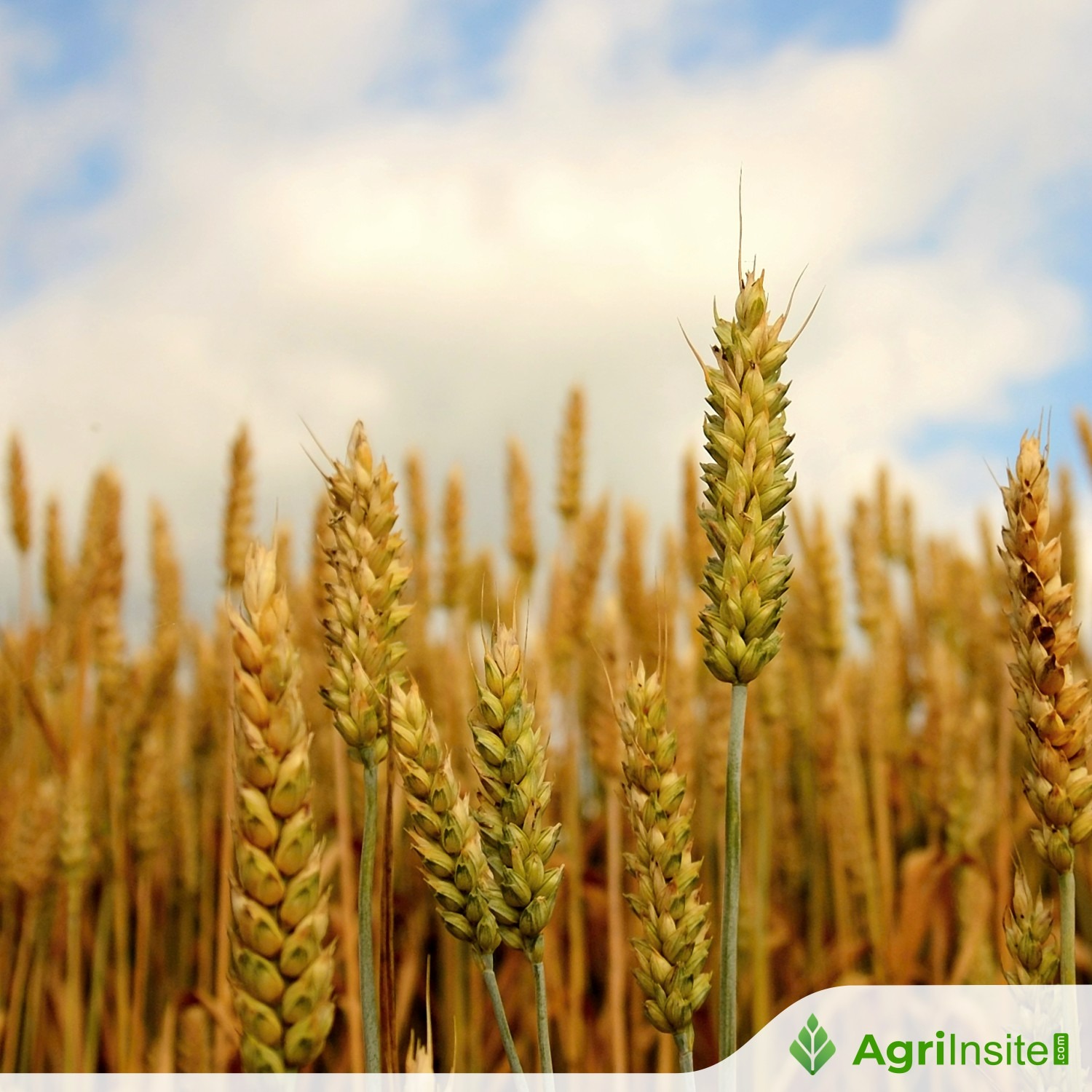
Heavy rains and storms have delayed Western Australia’s grain harvest, raising concerns over wheat quality. Wheat production is forecast at 10.90 million tonnes, while barley estimates fell to 6.68 million tonnes and canola to 4.12 million tonnes amid poor pod development and disease.
Heavy rains and storms in Western Australia have slowed the harvest of wheat, barley and canola, creating additional risks to grain quality. According to the Grain Industry Association of Western Australia (GIWA), adverse weather conditions throughout October and November disrupted harvesting operations across the state’s key agricultural regions. Southwestern and western areas have been particularly affected, with repeated rainfall preventing farmers from completing fieldwork on schedule.
Despite the weather-related challenges, Western Australia’s wheat production forecast has remained virtually unchanged. The 2026 crop is estimated at 10.90 mln tons, compared with 10.89 mln tons in the October forecast. However, analysts warn that further rainfall could reduce grain quality, particularly in regions where a significant share of crops remains unharvested. Wheat quality problems have already been reported in some parts of Esperance.
Meanwhile, barley and canola production forecasts have been revised downward. Barley output is now estimated at 6.68 mln tons, compared with 6.80 mln tons a month earlier. The largest reduction was made to the canola forecast, which was cut from 4.60 mln to 4.12 mln tons, or approximately 10.6%. Adverse weather conditions, poor pod development and disease pressure have affected canola yields.
Before the series of storms began, harvesting in Western Australia had been progressing slightly ahead of the average pace recorded in recent years. However, repeated rainfall has caused significant delays, particularly in the state’s southern regions. On some farms, growers have been able to operate for only a few hours over the past two weeks because of excessive grain and soil moisture. Further harvest progress will largely depend on an improvement in weather conditions.
Western Australia is the country’s largest grain-exporting region and one of the world’s leading suppliers of wheat, barley and canola. Harvest delays and potential deterioration in wheat quality could affect the composition of export supplies, particularly the availability of higher-grade milling wheat. Most harvesting operations are expected to be completed by the end of 2026, although further rainfall could complicate these plans.
To Read more about Wheat News continue reading Agriinsite.com
Source : Ukr Agro Consult