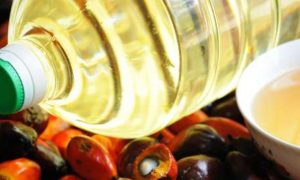
Bangladesh: Traders seek Tk15/litre edible oil price hike ahead of Ramadan


Bangladesh is reviewing duty relief on dates and import barriers ahead of Ramadan as essential commodity imports rise. Edible oil imports reached 823,000 tonnes and sugar imports 687,000 tonnes by October 25. Authorities urged traders to maintain supplies, ensure transparent pricing and prevent hoarding amid rising logistics costs and seasonal demand.
The proposals were raised at a meeting with Commerce Minister Khandaker Abdul Muktadir today (26 October) to review import preparations, supply constraints and prices of essential commodities ahead of Ramadan.
The ministry did not decide on the proposed oil price hike but said it would discuss duty relief on dates with the National Board of Revenue (NBR). Dates currently face duties and taxes of around 55%, importers said, arguing that high valuations and rising freight costs were adding to import expenses.
Importers also warned that instability in the Middle East had complicated transportation, forcing the use of alternative routes and increasing logistics costs. Difficulties opening letters of credit (LCs) could further disrupt supplies.
The commerce minister called for a transparent and rational duty structure for dates that reflects differences in varieties, quality and prices. Bangladesh imports dates of varying quality from around a dozen countries, including Egypt, Saudi Arabia, Iraq and Algeria, and applying uniform valuations could create complications, he said.
Importers want duties to be calculated on the basis of actual quality and prices rather than fixed reference values. They said valuations exceeding the actual prices of ordinary-grade dates increase duties and overall import costs. They also sought more flexible taxes on fruit imports, arguing that high duties make produce less affordable.
Although the NBR determines duties, coordination among government agencies is needed. The meeting discussed implementing existing concessions on date imports without delay, and officials said internal preparations had been completed. Authorities pledged to address the importers’ concerns.
Imports rise ahead of Ramadan
The government has urged traders to bring in essential commodities on time and ensure adequate market supplies, as imports of several key items have already risen ahead of Ramadan.
Between 1 July and 25 October, edible oil imports increased to 823,000 tonnes from 705,000 tonnes a year earlier. LCs were opened for 805,000 tonnes, up 131,000 tonnes year-on-year.
Soybean seed imports reached 501,000 tonnes, an increase of 113,000 tonnes. Sugar imports rose by 153,000 tonnes to 687,000 tonnes, while LCs were opened for 810,000 tonnes.
Chickpea imports climbed to 82,000 tonnes from 12,000 tonnes, with LCs opened for 138,000 tonnes. Lentil imports reached 122,000 tonnes, up 64,000 tonnes, while LCs covered 114,000 tonnes. Date imports also rose, reaching 11,000 tonnes compared with 4,000 tonnes a year earlier.
The ministry has pledged support for traders seeking to maintain supplies but warned against hoarding and market manipulation.
A senior commerce ministry official said demand for edible oil, sugar, lentils, chickpeas, dates, chicken and eggs typically doubles or more during Ramadan. The meeting was intended to assess import preparations and address obstacles to keeping supplies adequate and prices stable.
Traders flag pressure on small lentil mills
While traders assured the ministry that they were prepared to maintain normal business operations and keep chickpea and lentil prices stable, concerns were raised about the difficulties faced by smaller lentil mills.
Haji Nesar Uddin, president of the Bangladesh Pulses Traders Association, said the problem was not simply one of supply, as the market was also under pressure from large traders.
“But the problem lies elsewhere. Chickpeas are entirely import-dependent, while around 80% of lentil demand must be met through imports. Ordinary lentil mills can no longer operate because of large traders. The Commerce Ministry needs to understand this,” he told The Business Standard.
The Bangladesh Vegetable Oil Refiners and Vanaspati Manufacturers Association did not comment on the meeting. Its secretary, Md Nurul Islam Molla, declined to comment.
Poultry sector expects stable supplies
Representatives of the poultry sector said egg and chicken production remained normal and that no major shortages were expected, as disease outbreaks on farms remained limited.
Farm-level egg prices had fallen from Tk11.50 a piece a few days earlier to below Tk10, bringing them close to production costs. Industry representatives expect egg demand to dip slightly during Ramadan as breakfast habits change, while chicken demand could rise after Eid, potentially affecting prices.
Under the existing import policy, eggs and meat cannot be imported without special government permission.
Global prices and Ramadan demand
The Bangladesh Trade and Tariff Commission found that international prices of edible oil and chickpeas had edged up, while lentil prices had fallen. It recommended monitoring global prices, import costs and domestic supplies.
Chickpeas and lentils currently face no import duties or taxes, while rational adjustments to sugar and fruit duties could help contain prices. Fresh fruit prices in the domestic market had also declined slightly.
Ramadan brings a seasonal surge in demand for several essential commodities. Sugar consumption peaks as households prepare drinks, sweets and iftar dishes, with demand reaching nearly 300,000 tonnes. Consumption of soybean and palm oil also rises as households prepare fried snacks.
Lentils are used to make piyaju, beguni and other fritters, as well as dishes served at sehri. Smaller-grain, higher-quality lentils are particularly sought after. Chickpeas and dates also account for a substantial share of annual consumption during the fasting month.
Most of these commodities depend on imports to meet domestic demand, although chicken and eggs are generally supplied locally and eggs may also need to be imported at times. Maintaining adequate supplies during the seasonal surge will be crucial to keeping prices stable.
The meeting was attended by traders and representatives of the Bangladesh Trade and Tariff Commission, NBR, Trading Corporation of Bangladesh (TCB), Directorate of National Consumer Rights Protection (DNCRP), Federation of Bangladesh Chambers of Commerce and Industry (FBCCI), police, Directorate General of Forces Intelligence (DGFI) and National Security Intelligence (NSI).
To Read more about Edible Oil News continue reading Agriinsite.com
Source : Business Standard