Brazil’s Wheat Imports Set to Hit 30-Year High

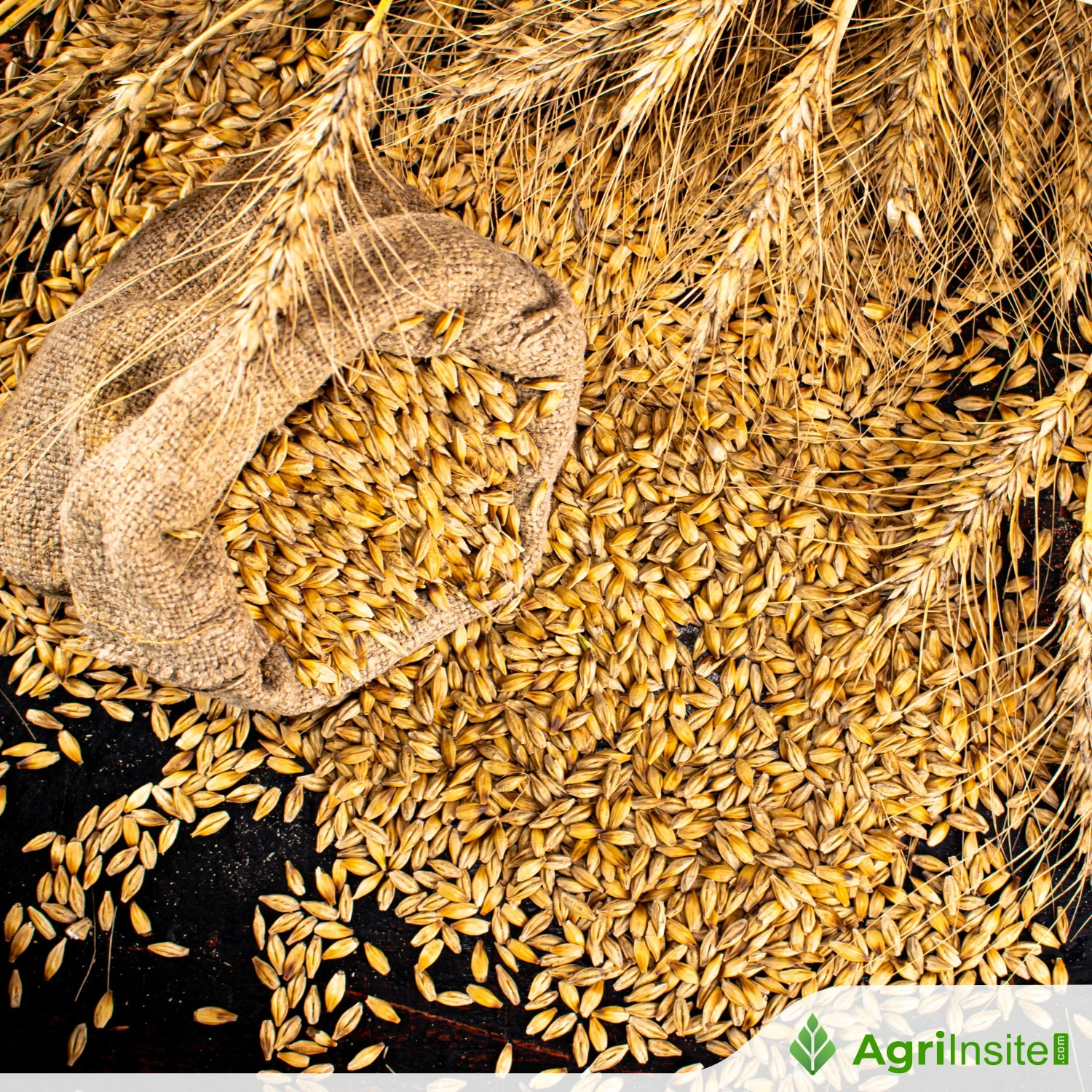
Brazil’s wheat imports could reach a 30-year high of 9.5–10 million tonnes in 2027 as domestic production declines due to weather damage. Quality concerns surrounding Argentine supplies, alongside crop losses in major Brazilian growing states, could further increase import requirements for local mills.
Brazil’s wheat imports could reach between 9.5 million and 10 million tonnes in 2027, the highest level in 30 years, according to Tito Marquetti Martinho, senior director of wheat origination and trading at Bunge Alimentos. He presented the estimate to industry delegates at the 33rd International Wheat Industry Congress in Rio de Janeiro, organized by the Brazilian Wheat Industry Association, known as Abitrigo.
The projected surge reflects a sharp deterioration in Brazil’s own wheat crop across its main growing states, compounded by quality concerns over the Argentine wheat that Brazilian mills have long relied on under Mercosur trade terms to cover the gap between domestic output and consumption. Elcio Bento, a wheat market specialist, estimated Brazil’s domestic 2026 output at 5.12 million tonnes, about 36 percent of national consumption.
In Parana, the country’s largest wheat-growing state, Bento said the crop swung from an expected 100,000-tonne surplus to a 1.85-million-tonne deficit. Rio Grande do Sul, which had been projected to show a 4.07-million-tonne surplus, is now expected to be close to balanced between supply and demand. In Santa Catarina, output is estimated at 243,000 tonnes, down 37 percent from the previous season, according to Epagri, the state’s agricultural research and rural extension company.
Sao Paulo losses add to import needs
In Sao Paulo, persistent rain damaged the wheat crop so severely that grain from some areas was rejected even for use as animal feed, according to Ruy Zanardi, president of the Sao Paulo State Wheat Sector Chamber. The chamber met on October 29 to discuss the losses, which Zanardi said could force Brazilian buyers to import an additional 600,000 tonnes of wheat beyond already elevated forecasts. Rubens Barbosa, Abitrigo’s executive president, said Brazil could need even further imports if the quality of Argentine wheat does not improve from the previous season, when quality problems already complicated supply.
Argentina’s own risks add pressure
On the Argentine side, the Rosario Board of Trade raised its 2026/27 wheat production forecast to 23.8 million tonnes, up from an earlier estimate of 21 million tonnes. The Buenos Aires Grain Exchange reported that 38.1 percent of the crop was between flowering and grain filling, two stages sensitive to weather, and said persistent cloud cover and drizzle had reduced the solar radiation crops received during this critical window.
Frosts in September and again in mid-October caused estimated losses of 10 to 15 percent in some early-planted and short-cycle wheat fields in southern Santa Fe, Entre Rios, Buenos Aires and La Pampa provinces, though the exchange said the full extent of the damage is still being assessed. An Argentine grain trader said the combination of rain and frost had caused additional damage, with humidity favoring foliar diseases and pushing growers toward preventive fungicide treatments against fusarium. Drizzle also delayed the harvest in northern Argentina, raising further concerns about grain quality as wheat sits in the field longer than usual, just as Brazilian mills are counting on that same crop to fill a widening domestic shortfall.
To Read more about Wheat News continue reading Agriinsite.com
Source : Global Agriculture