Despite bumper harvest, UP likely to miss wheat procurement target

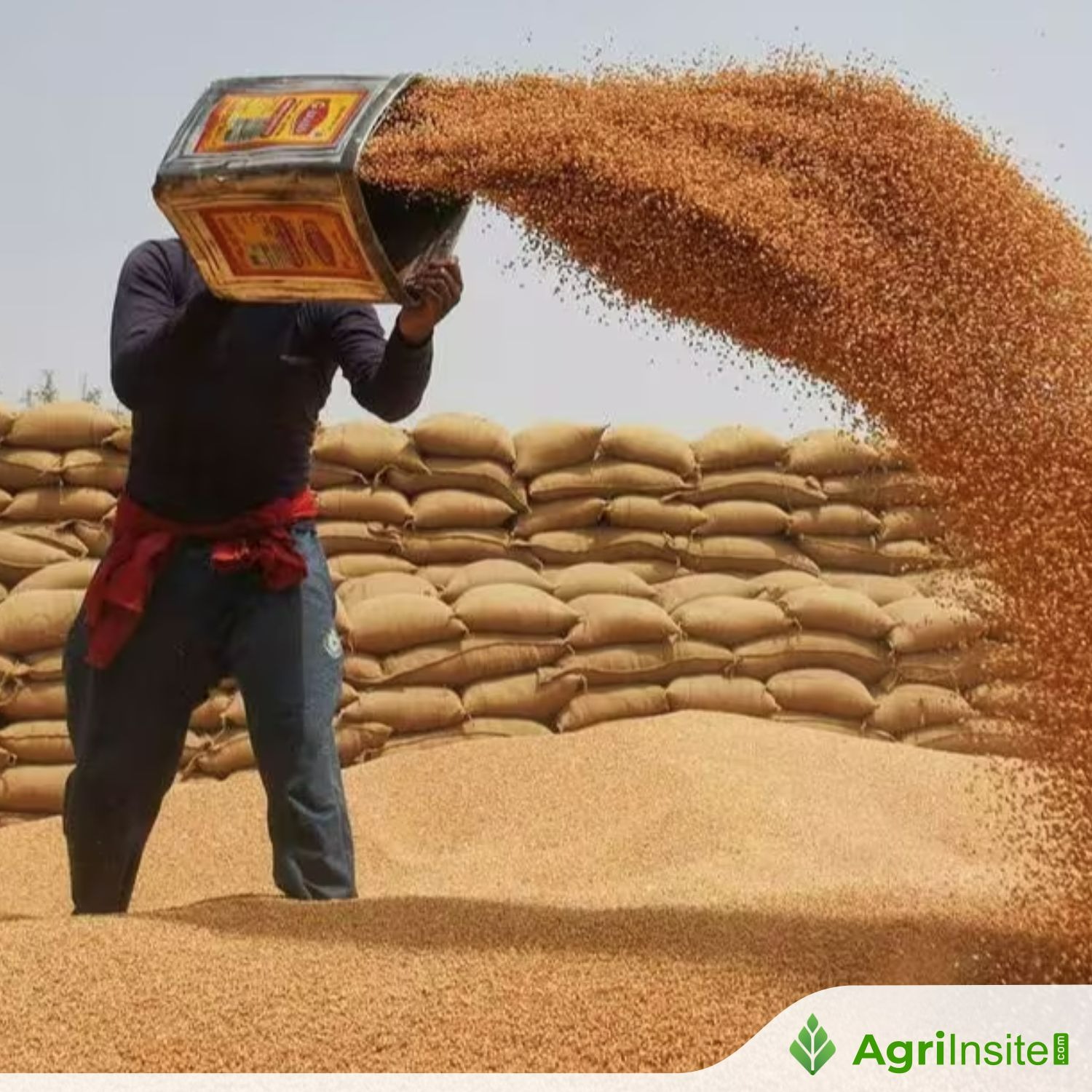
Uttar Pradesh is likely to procure only about 20 LMT of wheat in 2026 despite a bumper harvest and relaxed norms, far below the revised 25 LMT target, as farmers preferred selling to private traders offering higher prices and immediate payments.
Despite a bumper wheat harvest and special measures to boost procurement, Uttar Pradesh is set to record one of its lowest wheat purchases in recent decades, with procurement unlikely to cross 20 lakh metric tonnes (LMT) against a revised target of 25 LMT.
The 2026 Rabi marketing season will officially end on June 15, though procurement activity has virtually ceased. So far, the state has procured 19.86 LMT of wheat, achieving less than 80% of the target. While this marks the highest procurement in the past three years and is nearly double last year’s purchase, the figure remains modest for the country’s largest wheat-producing state.
Officials said that in view of the state’s poor procurement record over the past three years, the Centre had initially fixed Uttar Pradesh’s procurement target for 2026-27 at just 10 LMT, the lowest in recent memory. However, citing expectations of a bumper crop and measures to strengthen procurement operations, the state government persuaded the Centre to revise the target upward to 25 LMT.
To facilitate procurement, the government set up 5,848 purchase centres across the state. A total of 6.82 lakh farmers registered with the food and civil supplies department to sell wheat under the Minimum Support Price (MSP) scheme.
The Centre, according to officials, also allowed relaxation in quality norms after unseasonal rains affected wheat quality in some areas. Farmers were permitted to sell such wheat at the full MSP of ₹2,585 per quintal.
Despite these measures, procurement remained low considering the fact that UP has procured up to over 60 LMT of wheat in the past, especially during the first few years of the BJP government coming to power in 2017. The total wheat purchased this year is only one-third of the state’s annual requirement under the Public Distribution System (PDS).
Under the procurement system, states purchase wheat on behalf of the Centre, which bears the cost towards the payment to farmers. The grain is then transferred to the central pool and allocated to states for distribution under food security programmes.
Principal secretary (food and civil supplies) Ranvir Prasad attributed the low procurement to a combination of factors, including open market prices remaining above MSP in many areas, immediate payment by private traders and the convenience of selling directly to merchants instead of transporting produce to procurement centres.
“Many farmers also prefer to hold back stocks in anticipation of higher market prices later in the season,” he said, adding, “Our objective is to ensure that farmers are not forced to sell below MSP. If they are getting better prices in the open market, it ultimately benefits them.”
Prasad, however claimed, that this year’s wheat procurement was the highest of the last three years because of the government’s having taken many pro-farmers measures to encourage them to sell their produce to the state agencies.
“By the end of the procurement season on June 15, we expect the wheat procurement to be around 20 LMT,” he said.
Another food and civil supplies department official said that farmers’ continued preference for private traders over government procurement centres had emerged as a key challenge for the procurement system in the recent years in Uttar Pradesh, even in seasons of good production.
To Read more about Wheat News continue reading Agriinsite.com
Source : Hindustan Times